










Motorists are being warned of new driving law changes that have been launched in March that may have passed them by, despite having a huge impact on millions of people.
New motoring rules have been introduced, including DVSA updates impacting learner drivers, new fuel rates for company car owners and even fresh number plate changes.
GB News has rounded up the most important driving law changes introduced over the last month that you may have missed.
Car tax
Labour's consultation on the controversial introduction of pay-per-mile car taxes ended on March 18, with many motoring organisations warning that the proposed rules would have a profound impact on millions of drivers.
The Electric Vehicle Excise Duty (eVED) proposals state that zero emission vehicles will pay 3p per mile, while hybrid car owners will fork out 1.5p per mile when the rules are introduced in 2028.
EVA England has called on the Government to act on affordability and charging to ensure the transition to zero emission vehicles is kept on track.
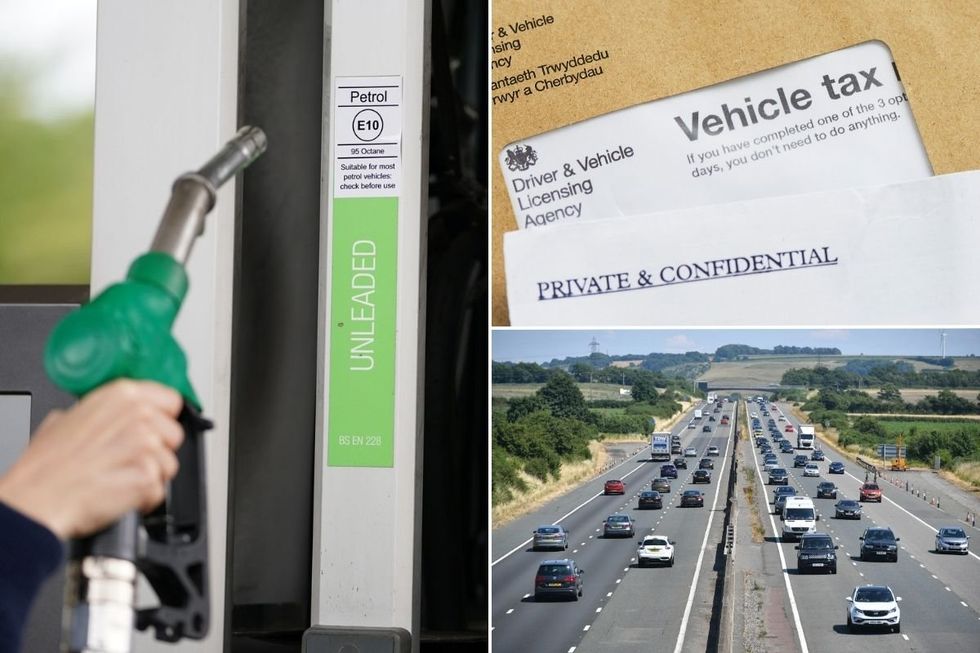
Several crucial driving laws were introduced over the last month for UK drivers
|GETTY
Data from the group showed that only 56 per cent of drivers were "highly likely" to recommend an electric car, a massive drop compared to 82 per cent previously.
The organisation called on the Government to delay eVED until at least 2030, at which point the Government will ban the sale of new petrol and diesel vehicles.
Vicky Edmonds, chief executive of EVA England, called on ministers to focus on real-world barriers, warning that drivers were facing a "two-tier transition".
"Those getting into EVs love them. But they are disproportionately higher-income and more likely to have driveways. Unless we make this work for a wider range of households, the transition will not reach the mass market," she said.
LATEST DEVELOPMENTS
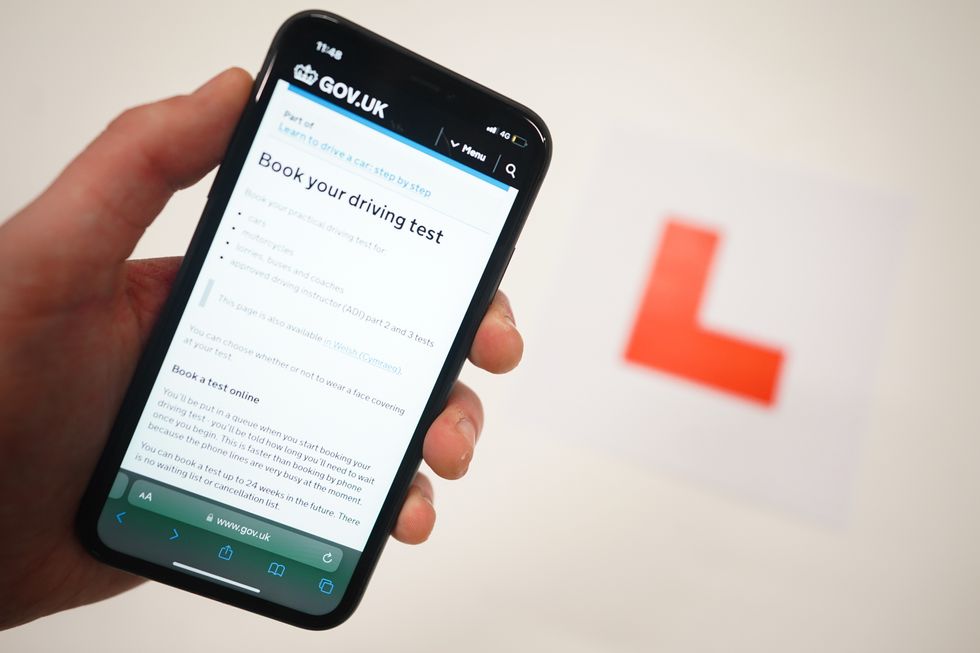 New driving test measures are being introduced at the end of March and again in May and June | PA
DVSA
Confirmed changes were announced by the Driver and Vehicle Standards Agency (DVSA) earlier in March, dictating how many changes could be made to driving tests.
While the new rules were announced earlier this month, they will start coming into force from March 31, including reducing the number of changes allowed from six to just two.
The DVSA stated that any changes to the test include changing the date or time, changing the test centre, or swapping an appointment with another learner driver who already has a test booked.
Number plates
In keeping with tradition, the new number plate identifier was introduced on March 1, with the latest models on forecourts now being adorned with a "26" tag.
Number plate changes are made twice a year, with the "76" tag being rolled out in September. These changes often lead to a spike in new and used car sales as drivers look to get their hands on the latest models.
Experts are eagerly anticipating sales data from March to see how the "new reg plate month" has an impact on car sales, especially with increased interest in electric vehicles.
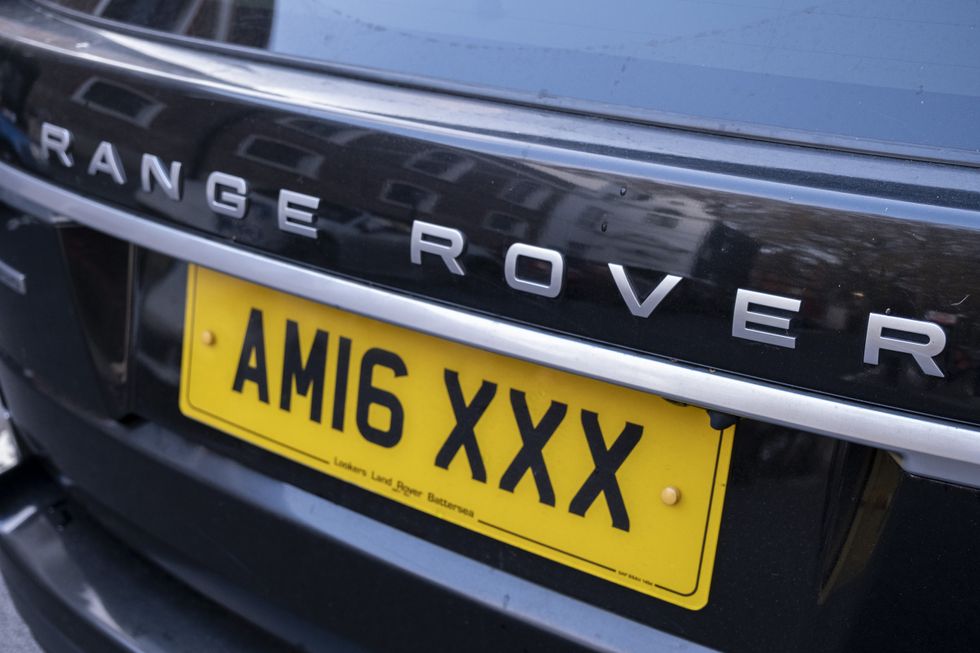
The new '26' number plate tag was introduced on March 1
| GETTYAdvisory fuel rates
HM Revenue and Customs confirmed new rules for company car owners in its first quarterly update of 2026, with a number of price changes.
AFRs are used to reimburse employees for business travel in their company vehicles or when employees need to repay the cost of fuel used for private travel.
While all petrol and diesel prices remained the same, those using public EV chargers saw prices rise from 14p per mile to 15p. Drivers of LPG vehicles saw a drop of as much as 2p per mile, depending on the size of the engine.