










Diesel cars could disappear from roads across the UK in the coming years as drivers turn their backs on polluting vehicles and once-popular manual cars.
New data has suggested that the proportion of diesel cars on the road could continue to fall in the coming years, especially as drivers transition to EVs.
This could be accelerated as the Government pledges to ban the sale of new petrol and diesel cars from 2030, before only zero emission vehicles will be sold five years later.
Registrations of diesel cars have collapsed by 92 per cent since 2016, with many being put off by the high costs, in addition to the controversial Dieselgate scandal.
The latest data from the Society of Motor Manufacturers and Traders (SMMT) shows that just over 100,000 diesel vehicles were registered in 2025, representing a huge 15.6 per cent year-on-year drop.
The 103,906 sales represented 5.1 per cent of the total new vehicle market, compared to petrol, which retains a healthy 46.4 per cent share.
Fresh research from Vehicle Data Global (VDG) also highlights how the proportion of manual vehicles has fallen dramatically in recent years.
It found that internal combustion engine vehicles are being replaced by hybrid and fully electric models, leading to a decline in manual sales.
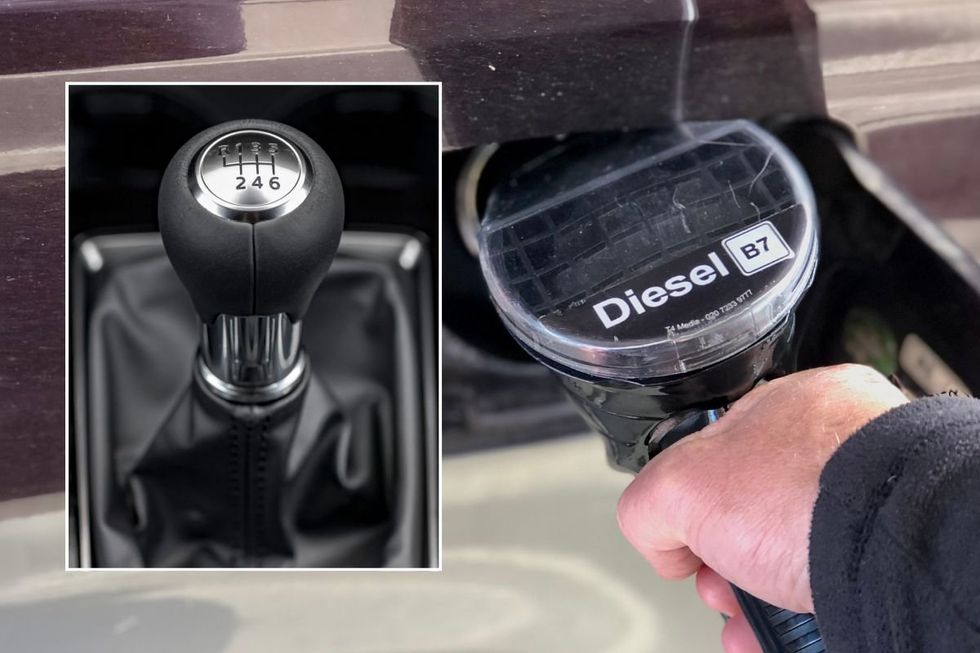
Diesel and manual vehicles could become 'extinct' within years, new data has warned
|GETTY/PA
Even vehicles on offer with manual gearboxes are falling, having halved since 2016, as drivers adapt to automatic cars on a larger scale.
Only 34 per cent of car buyers in 2025 specifically chose a petrol or diesel car with a manual transmission.
This represents a huge drop compared to 55 per cent seen in 2019, with suggestions that drivers prefer the ease of use that comes from automatic cars.
A report from VDG states: "Both trends suggest near-simultaneous extinction as soon as 2030, with research, development and production costs increasingly seen as unviable by manufacturers."
LATEST DEVELOPMENTS
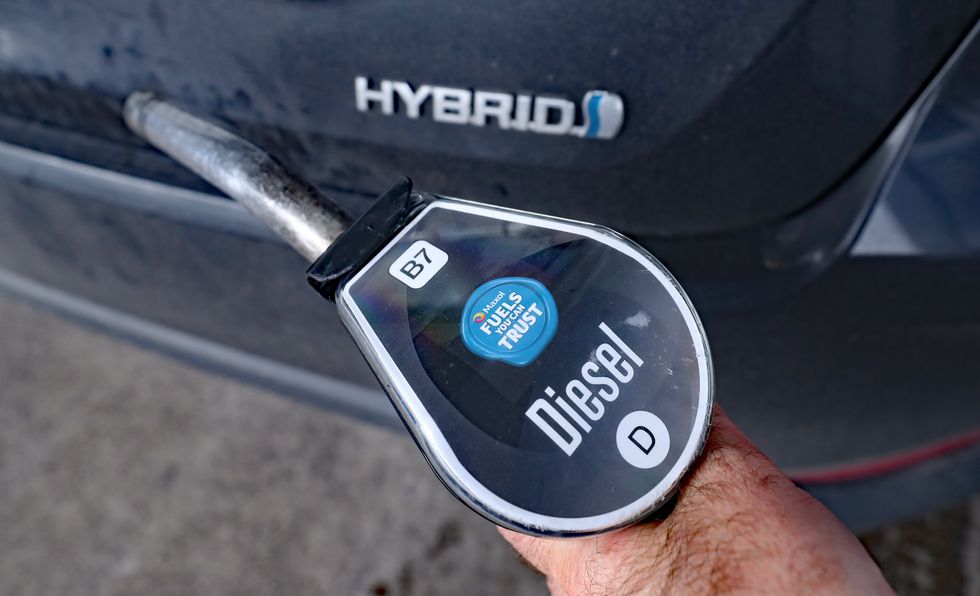
Registration of new diesel vehicles has plummeted over the last decade
| PABen Hermer, operations director at VDG, said the growing financial difficulties around maintaining a manual transmission option "don't add up".
He noted that manufacturers would need to embark on research and development, certification and other overheads involved in developing gearboxes.
Mr Hermer added: "Based on current trend data, between five per cent and 10 per cent of cars will theoretically still be manual by 2030.
"But manufacturers will be looking hard at whether maintaining manual gearbox programmes for a shrinking share of the market makes economic sense, while they manage the overall pressures of transitioning from ICE and competing with international market entrants in the EV sector."
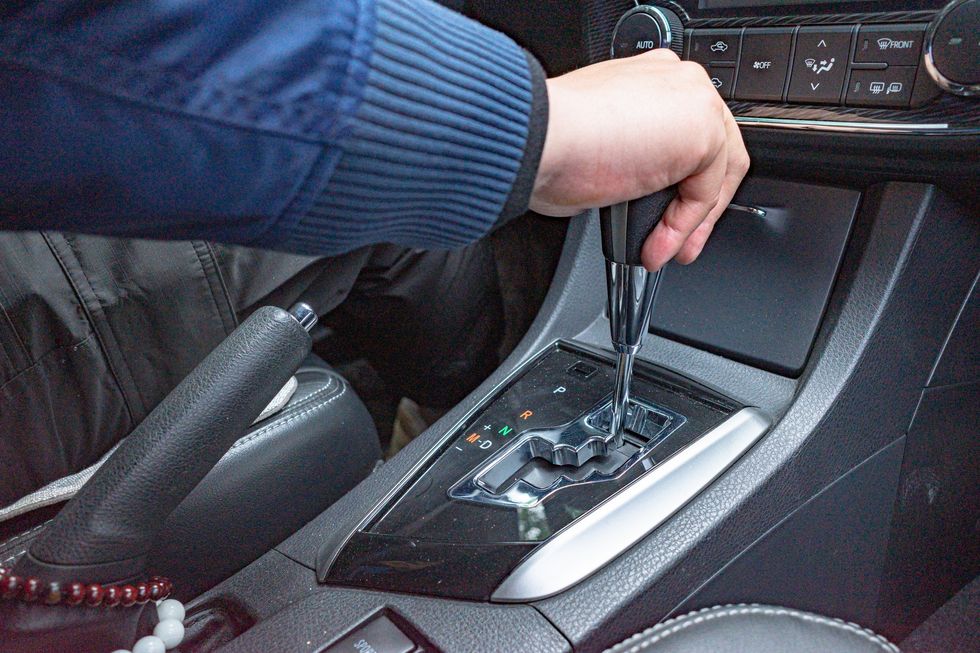
The number of drivers opting for manual cars has dropped recently
| GETTYSeparate research from CarGurus found that just 67 of the 292 models sold by the UK's 30 best-selling brands are available as a manual.
Some brands continue to sell several vehicles with a manual transmission, including Dacia (six), Ford (six), as well as Hyundai, Kia, Skoda and VW (five each).
Despite this, some brands have already transitioned fully to automatic-only vehicles in a huge step-change for many motorists.
This includes Fiat, Jaguar, Land Rover, Lexus, Mercedes-Benz, Mini, Tesla and Volvo.