









Motorists have been hit with rising fuel costs, with diesel drivers now paying more than £100 to fill up a typical family car for the first time in over two years.
New data from the RAC showed the average price of diesel has climbed to 182.77p per litre, causing a standard 55-litre tank to now cost £100.52.
Petrol drivers have also seen higher prices, with unleaded rising to 152.83p per litre, taking the cost of a full tank to around £84.
The latest figures mark the highest fuel prices recorded in more than two years, adding pressure on households already dealing with rising living costs.
Simon Williams, the RAC's head of policy, said: "Diesel has now climbed to an average of 182.77p a litre, which means the cost of filling a typical 55-litre family car has breached £100 for the first time since early December 2022."
Prices have surged sharply since the Middle East conflict began on February 28. Petrol increased by around 20p per litre, a rise of just over 15 per cent. But for diesel drivers, the price of fuel has gone up by more than 40p per litre, a jump of nearly 30 per cent.
For drivers, this was found to have a clear impact on the pumps. Filling up a petrol car now costs about £11 more than it did in late February, experts warned. Diesel drivers, however, are paying even more, with an extra £22 added to a typical fill-up.
"Unleaded has increased 20p a litre since the start of the conflict and diesel by 40p, making a full tank £11 and £22 more expensive respectively," Mr Williams added.
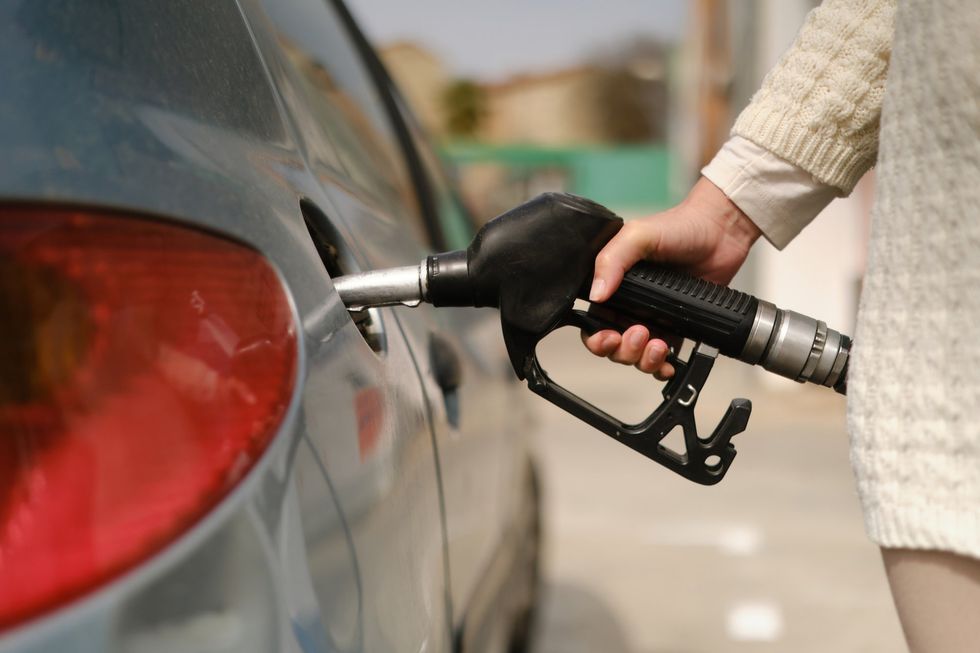
The difference between petrol and diesel prices has reached its highest level since at least 2003
| GETTYThe gap between petrol and diesel prices has also widened significantly, with diesel now almost 30p per litre more expensive than petrol.
Before the recent price surge, diesel was usually less than 10p per litre higher than unleaded, experts stated. But over the past two decades, the difference has typically been closer to 5p.
Experts explained the UK is particularly exposed to rising diesel prices because it produces more petrol than diesel. This means the country relies heavily on imports to meet demand, often at higher prices.
The impact is being felt across the UK, where there are around 16.2 million diesel vehicles on the road. Businesses are especially affected, with most of the UK's 4.6 million vans running on diesel.
LATEST DEVELOPMENTS:
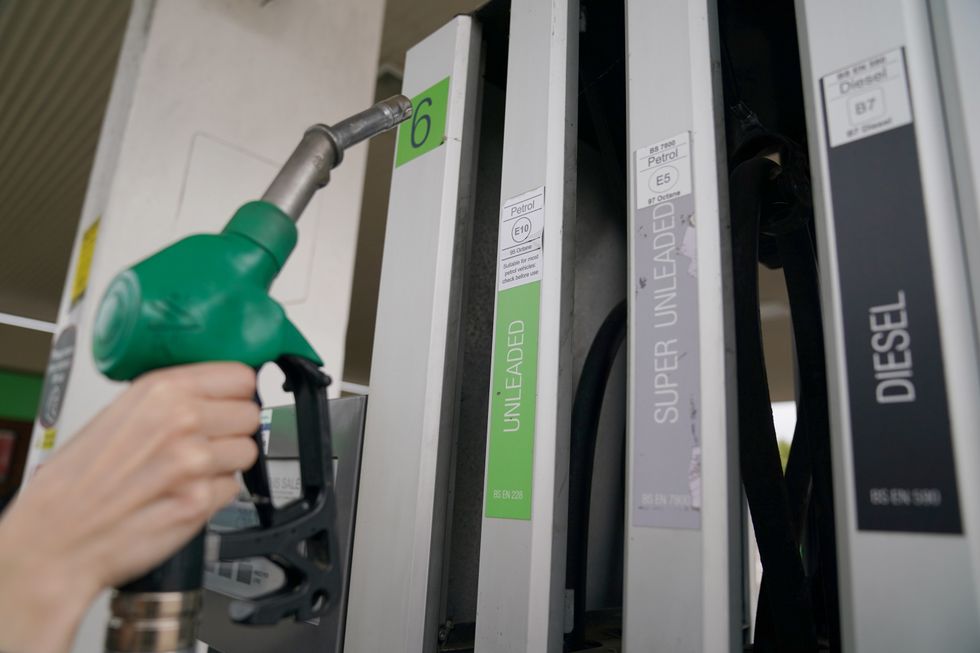
Fuel prices have skyrocketed since February 28, due to the Middle East conflict
| PALooking ahead, there may be some relief for petrol drivers. RAC analysis suggested petrol prices could begin to stabilise if oil prices do not rise further. However, diesel costs are expected to keep increasing.
Mr Williams said: "RAC analysis of wholesale fuel data points towards the price of petrol potentially stabilising if the cost of oil doesn't increase further, although diesel still looks likely to rise."
Global oil prices remain high, although they have eased slightly in recent days. Brent crude was trading at around $115 (£86) a barrel on Monday, down from a recent peak of $119.50 (£90) earlier this month.
The Government has moved to reassure drivers that fuel supplies remain secure, despite reports that some petrol stations briefly ran dry over the weekend.
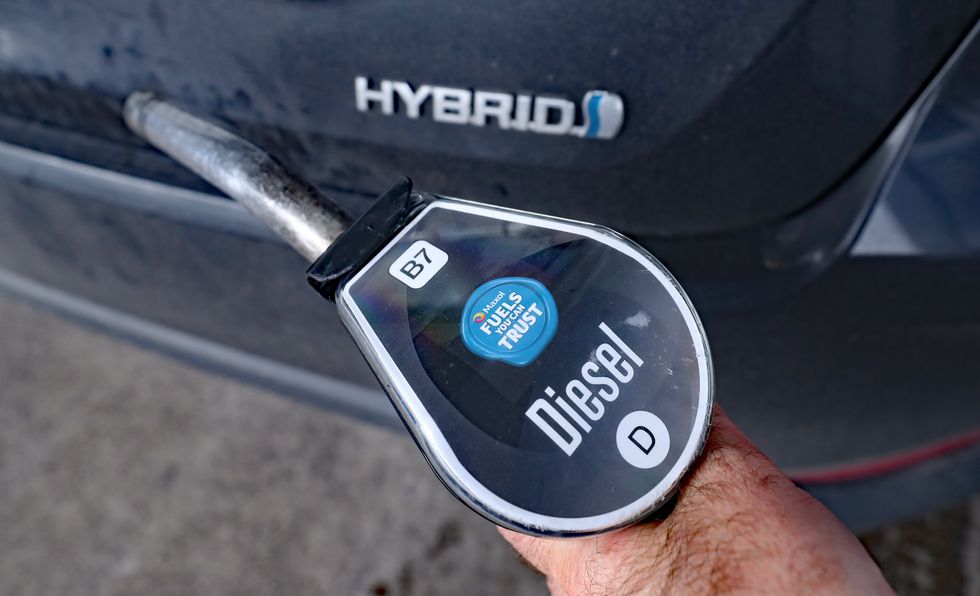
Diesel drivers face the highest fuel prices in three years
| PAA Downing Street spokesman said the UK's energy supply is "resilient and diverse" adding that ministers would "always plan for all eventualities".
However, some experts have warned that the situation could worsen. Sir Howard Davies, chairman of NatWest, said any disruption to key shipping routes such as the Strait of Hormuz could lead to a long-term drop in fuel supplies reaching Europe.
He suggested the Government may need to consider ways to reduce fuel use to avoid serious disruption to essential services.
Meanwhile, Shell chief executive Wael Sawan warned that pressure on global energy supplies could begin to affect Europe within weeks, as shortages in other parts of the world create knock-on effects.