










Britain has become the first country in the United Kingdom to authorise an oral tablet form of the popular weight loss drug semaglutide, marketed as Wegovy.
The Medicines and Healthcare products Regulatory Agency granted approval yesterday for what represents a landmark moment in obesity treatment options.
This marks the nation's inaugural GLP-1 receptor agonist pill designed specifically for weight management purposes.
The decision opens a new chapter for patients seeking alternatives to injectable versions of the medication, which have faced significant supply challenges in recent years.
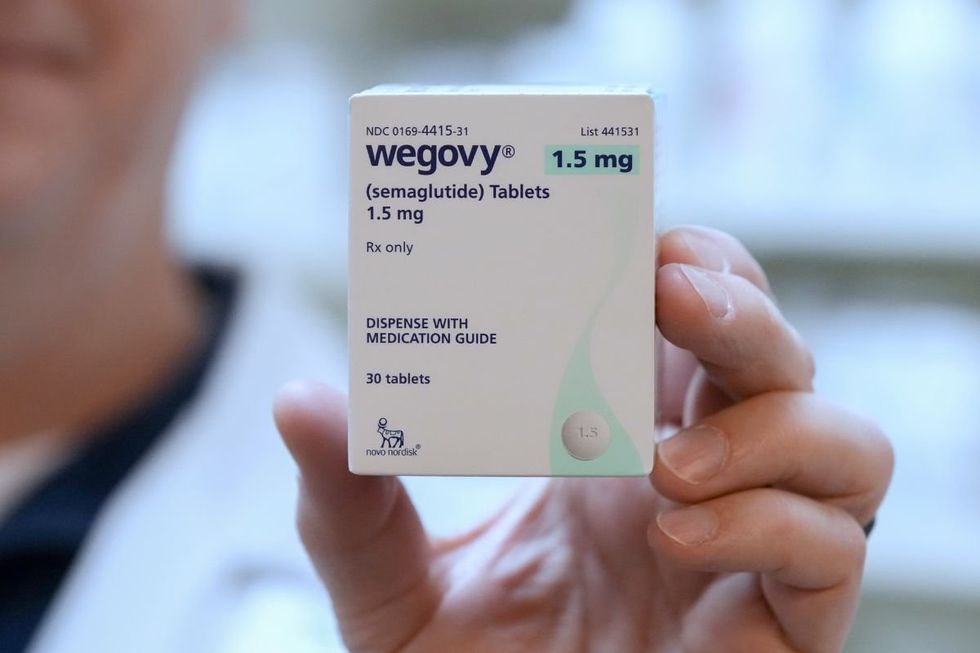
The tablet currently remains unavailable through the National Health Service.
|GETTY
The tablet formulation must be prescribed by a healthcare professional and cannot be purchased over the counter.
The medication may be prescribed to adults living with obesity, defined as having a Body Mass Index of 30 or greater.
Those carrying excess weight with a BMI between 27 and 30 also qualify, provided they suffer from at least one health condition linked to their weight.
Crucially, the tablet is not intended as a standalone solution.
LATEST DEVELOPMENTS
Patients must combine the treatment with a calorie-reduced diet and greater physical activity to achieve optimal results.
This requirement reflects the established medical consensus that pharmaceutical interventions work most effectively when paired with meaningful lifestyle modifications.
The prescription-only status ensures appropriate medical oversight throughout the treatment journey.
Treatment commences at a daily dose of 1.5 milligrams, with patients progressing through incremental increases to 4mg, then 9mg, and ultimately 25mg.
Each dosage level must be maintained for a minimum of four weeks before escalation.
Those already receiving the 2.4mg weekly injection through private healthcare may transition directly to the maximum 25mg daily tablet.
The drug functions by replicating the effects of glucagon-like peptide, a hormone naturally produced following meals.
By targeting brain regions responsible for appetite control, semaglutide helps individuals experience prolonged satiety whilst diminishing hunger pangs and food cravings.
This mechanism supports reduced caloric intake when combined with appropriate dietary changes.
Julian Beach, Executive Director of Healthcare Quality and Access at the MHRA, said: "Having met the MHRA's rigorous standards of safety, quality and effectiveness, the semaglutide tablet has been approved in the UK for weight loss and weight management."
He added: "As with all GLP-1 receptor agonists, this is a prescription-only medication."

Those carrying excess weight with a BMI between 27 and 30 qualify for treatment
|GETTY
Patients should be aware that gastrointestinal issues represent the most frequently reported adverse effects, including nausea, diarrhoea, constipation and vomiting.
While regulatory approval has been secured, the tablet remains unavailable through the National Health Service.
Access for NHS patients hinges upon a forthcoming assessment by the National Institute for Health and Care Excellence.
Our Standards: The GB News Editorial Charter