





Throughout my long career in TV news, I have always ended up covering the big political events. It’s hard to believe that only twenty years ago, we still relied so heavily on radio and print, particularly the Hansard record.
The quality broadsheet newspapers all carried extensive coverage back then, sadly, much less so these days. It was good to read exactly what MPs were saying and what they were seeking to raise with ministers, as well as the Government’s responses. It also helped you learn MPs and their constituencies, which was vital in the run-up to election coverage.
I am very proud to have been involved with the first-ever live television transmissions from both Houses of Parliament. The Lords came first in 1985, the Commons later in 1989. Black Rod was crucial, as were the Speaker of the Commons and the Lord Chancellor for the House of Lords.
The first to preside over televising was Lord Hailsham, one of the great legal minds of his generation. He also got into serious trouble with his boss, Margaret Thatcher, for warning against large Commons majorities, which he said risked elected dictatorships.
The rules were strict to avoid turning this vibrant part of our democracy into a cabaret. We respected those rules to avoid losing this vital tool in our political coverage.
Commons Speaker Jack Weatherill was a family friend. His grandchildren were at school with Clem and Alex, and their mother, Jack’s daughter, was, and remains, a good friend of Sally’s.
I remember him telling me how he learned MPs’ names: he put their photographs with names and constituencies on his office door, next to the mirror he used when putting on his robes and wig, so he could learn them and test himself.
Only the Speaker can use MPs’ names directly, especially when throwing them out. Otherwise, they are “the Honourable Member for X, Y or Z”. They are “gallant” if they are former service people, and “learned” if they are barristers.
Prime Minister’s Questions is a weekly treat. The Speaker has an order of questioners and gets cross if someone misses their slot. Both the Prime Minister and the Leader of the Opposition rehearse the known facts and allegations.
This week, it was dominated by the Mandelson scandal. But it was merely a taster before the main event… the Tories’ Humble Address.
This saw the opposition asking the King’s Government to release all documents relating to Mandelson’s vetting on his appointment as Ambassador to the USA. Starmer left the Chamber at the end of PMQs, before the debate on the Humble Address.
A very junior minister, Chris Ward, responded for the Government. The most brutal attacks came from the Labour side. It left anyone watching or listening with the image of a party in disarray, and a leader floundering and clinging to office by his fingertips.
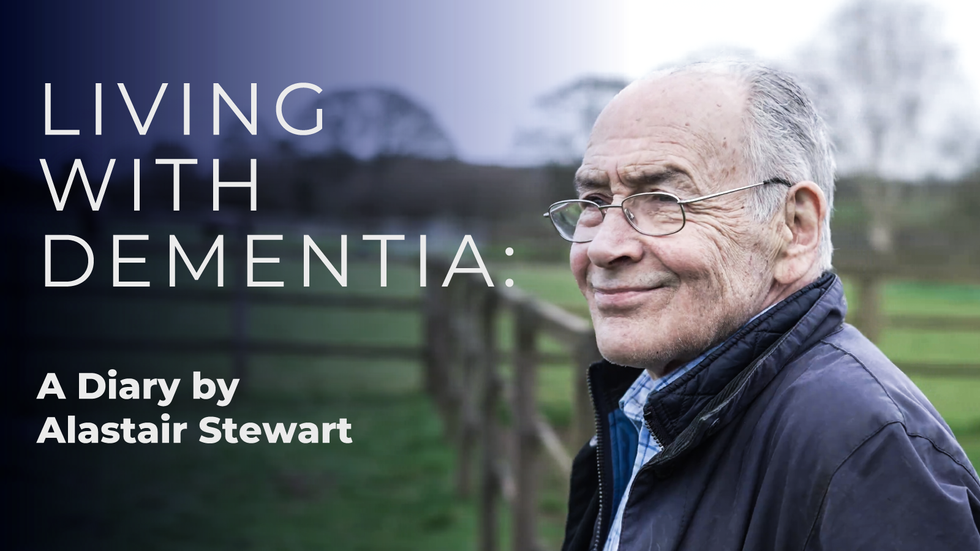
Alastair Stewart: Peter Mandelson’s political assassination makes Margaret Thatcher’s look genteel
| GB NEWSBig guns from the back benches on both sides were relentless. My friend John Whittingdale, a former Media Secretary and Chair of the Media Select Committee, made the point many of us in the media have long known: whether it was over passports for party donors or mortgage applications, Mandelson is a “wrong ’un” and a serial stranger to the truth.
Labour backbenchers lined up to condemn Starmer’s naivety, lack of judgement and evaporating authority. Their bravery and integrity were widely praised.
Many references were also made to Mandelson’s lucrative lobbying activities, even during the short period when he was Ambassador, and Starmer was present.
In all my time, I have never seen anything like it. It made the political assassination of Thatcher look genteel. Starmer was also accused of involving Mandelson in the selection of parliamentary candidates and even government reshuffles.
It was said, rightly, that Mandelson, one of the creators of New Labour, had always been, and remained, at the heart of the Labour machine.
Starmer’s defence, that he had been lied to, got no traction. Both sides said everyone knew Mandelson was dodgy, and that chasing and appointing him were acts of naivety devoid of judgement.
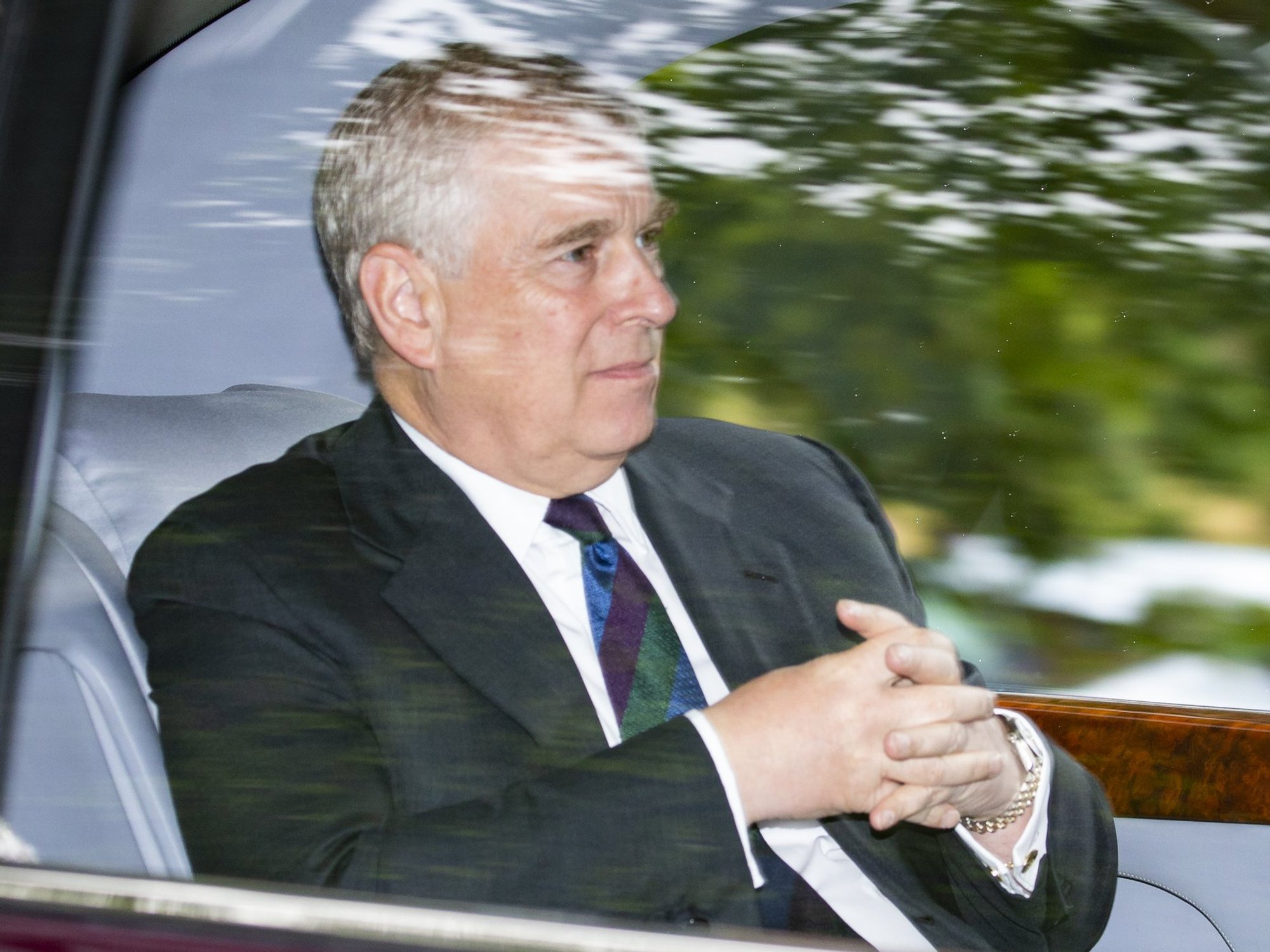
The only Labour Prime Minister to receive praise was Gordon Brown, who referred matters to the police. They are now investigating Mandelson and the former Duke of York, following further revelations about alleged Epstein-related activities, all of which are denied.
Andrew Mountbatten-Windsor has now moved out of Royal Lodge to the private Sandringham estate. It is fair to say none of his challenges have abated. Two men in the eye of the Epstein storm.
On Thursday, Starmer held a press conference to apologise for his naivety in believing Mandelson. The press reminded him that growing numbers of Labour MPs had already declared they had lost confidence in him. For a while, I thought he might call a vote of confidence, or even a general election, as he lashed out at the opposition parties—both the Tories and Reform.
I don’t think Starmer would win anything just now. As I have written before, I believe he has entered the endgame. His only hope is the poor quality of the available successors, though Angela Rayner gave a strong contribution on the Humble Address.
Meanwhile, this week also saw interest rates being held. As a banker friend of mine told me, enough is enough, he and his fiancée are now leaving for Canada or the USA.