







Britons are being told that medicine regulators will introduce stronger addiction warnings on a range of commonly prescribed drugs used for pain relief, anxiety, and sleep disorders.
The Medicines and Healthcare products Regulatory Agency took the decision following a comprehensive safety review of gabapentinoids, benzodiazepines, and z-drugs.
Medications including gabapentin and pregabalin will now carry labels stating they "may cause addiction, dependence, and withdrawal reactions".
It comes after NHS data from 2022/2023 revealed that roughly 4.5 million patients across England received gabapentinoid prescriptions during that twelve-month period.
TRENDING
Stories
Videos
Your Say
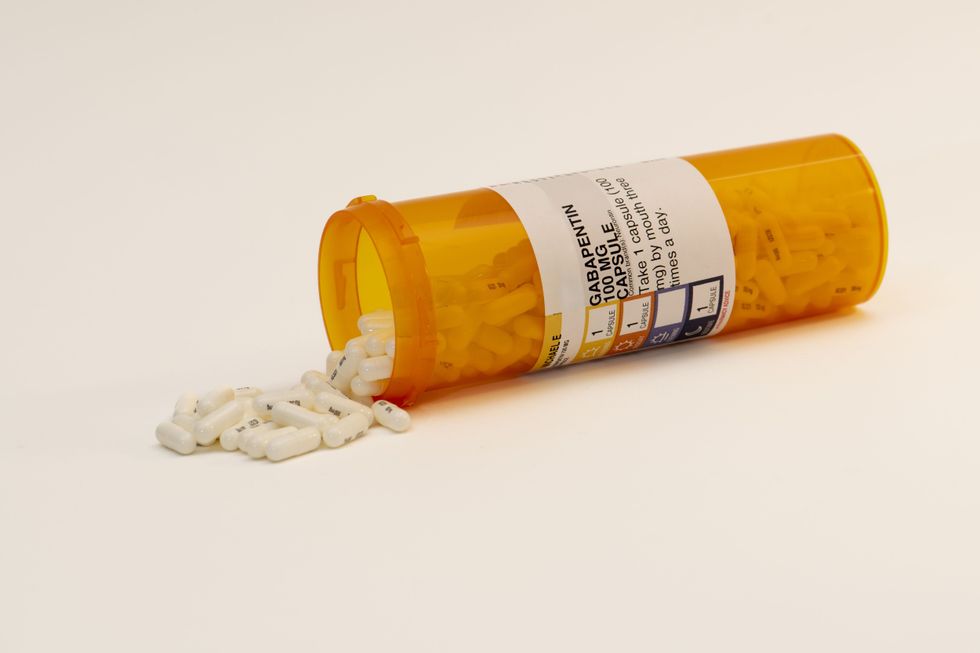
Gabapentinoids are primarily used to treat nerve pain and epilepsy,
|GETTY
Updated patient information leaflets will feature clearer explanations distinguishing between dependence and addiction.
The revised documentation will also provide improved instructions on how to gradually reduce dosages and discontinue use safely.
Healthcare authorities want the changes to prompt more dialogue between those taking the medications and their doctors or pharmacists throughout treatment.
The Commission on Human Medicines recommended additional safety measures beyond the labelling updates. These include explicit warnings against combining the drugs with opioids or alcohol.
Patients are also being advised not to share their prescribed medication with others, reflecting concerns about misuse and the potential for dependency to develop.
Gabapentinoids such as gabapentin and pregabalin primarily treat nerve pain and epilepsy, though doctors sometimes prescribe them for other conditions not listed on the label.
These medications work by affecting GABA neurotransmitters in the brain, producing pain relief, reduced anxiety, and sedative effects.
LATEST DEVELOPMENTS
Benzodiazepines tackle severe anxiety and insomnia, typically as short-term solutions lasting two to four weeks.
Diazepam remains the most widely used benzodiazepine in the UK, while lorazepam and temazepam are often administered before surgical procedures.
Z-drugs represent a separate class of non-benzodiazepine sleeping medications for severe insomnia.
The NHS currently prescribes zopiclone and zolpidem from this category.
Dr Alison Cave, the MHRA's Chief Safety Officer, stressed that dependency can affect anyone taking these medications, even when following prescribed instructions.
"Addiction and dependency can happen to anyone taking these medicines, even when used as directed," she said.
"That's why we are strengthening warnings so patients and healthcare professionals can better understand the risks."

Users will receive instructions on how to gradually reduce dosages
|GETTY
She stressed that the drugs remain beneficial treatments for many patients who need proper information to use them safely.
Dr Cave urged anyone with concerns about their medication or side effects to consult a healthcare professional.
Crucially, she warned patients against stopping their medication without medical guidance, as doing so could trigger withdrawal symptoms.
Our Standards: The GB News Editorial Charter