






As the fallout from the Mandelson scandal continues to echo, a cynical wave of enlightened self-interest swept through the Labour Party.
Anas Sarwar, Labour’s leader in Scotland, studied the polls, did the sums and put his head above the parapet. The Downing Street “distractions” had to end, and the leadership had to change.
He has clearly calculated that a struggling UK premiership under Starmer could damage his chances of becoming Scotland’s First Minister in May.
Ironically, if Sarwar fails in that ambition, and Labour performs badly in the local elections across the UK, that may be the very political moment that sees Starmer out.
If Labour also fails to win the Gorton and Denton by-election, and Starmer has barred the popular and effective Andy Burnham from contesting, then Starmer is surely toast.
I spoke to several people from the old days. The consensus was that while Starmer is a nice and decent person, his judgement of people is poor. That matters enormously when making big appointments and handing out public honours.
The peerage for one of his former communications chiefs, Matthew Doyle, became a mini-Mandelson scandal. Doyle had supported and campaigned for a man who later admitted child sex offences.
Starmer removed the whip and said Doyle had not been fully frank during vetting. But many asked: why does he keep promoting and honouring people who turn out to have misled him? My old friends said again: poor judgement, and he just doesn’t “do politics”.
He lacks the antennae that Blair and Thatcher had. After Sarwar’s intervention, the Cabinet rallied publicly. Ed Miliband said Labour had looked over the precipice and did not like what they saw.
As Kemi Badenoch pointed out at PMQs, many Labour MPs must realise that in a likely general election, they could lose their seats.
Some blasts from the past also spoke out. Alan Milburn, Blair’s former Health Secretary, criticised Labour’s failure to address young people not in education, training or employment. Alan is a wise man.
I remember interviewing him on GMTV when he had done a deal with BUPA. He told me Labour’s relationship with private health suppliers was not a “one-night stand”.
Another Labour giant, David Blunkett, said the first year of any new government is always difficult, but Starmer needs transformation, not tinkering.
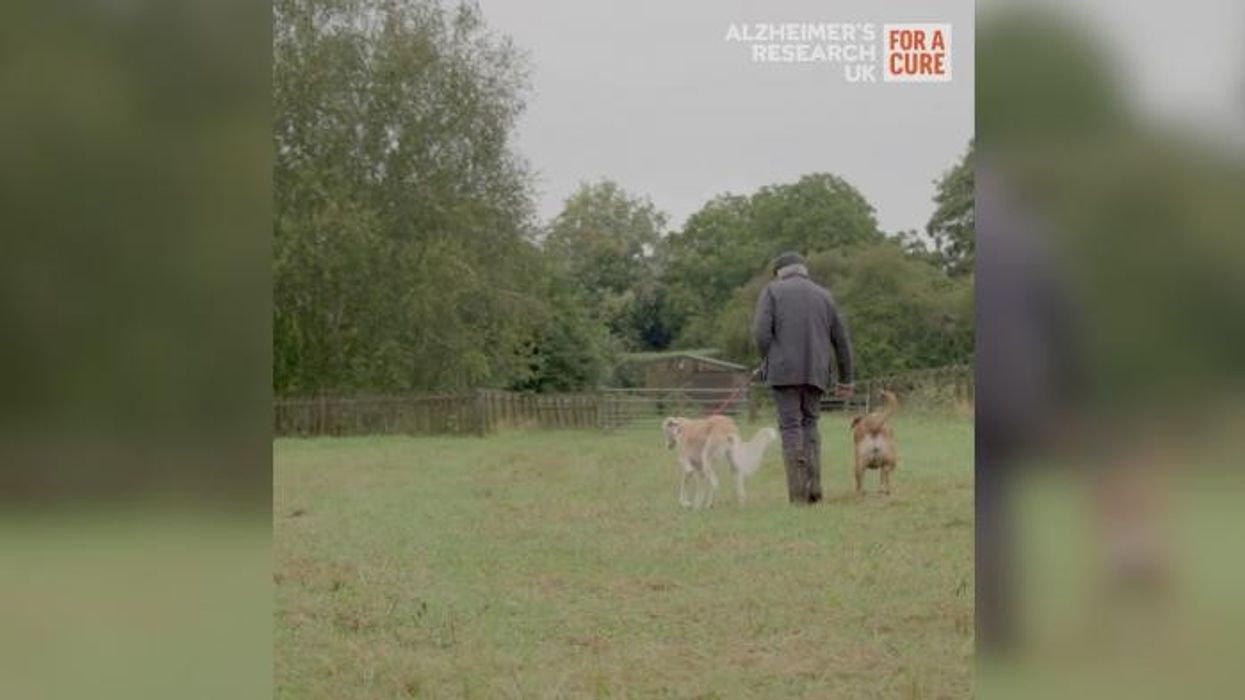
I once chaired an event for the Police Federation where David, then Home Secretary, addressed delegates. His guide dog lay under the table between us.
At one point, I felt my feet being gently licked, an act of trust and affection. A small human moment I have never forgotten.
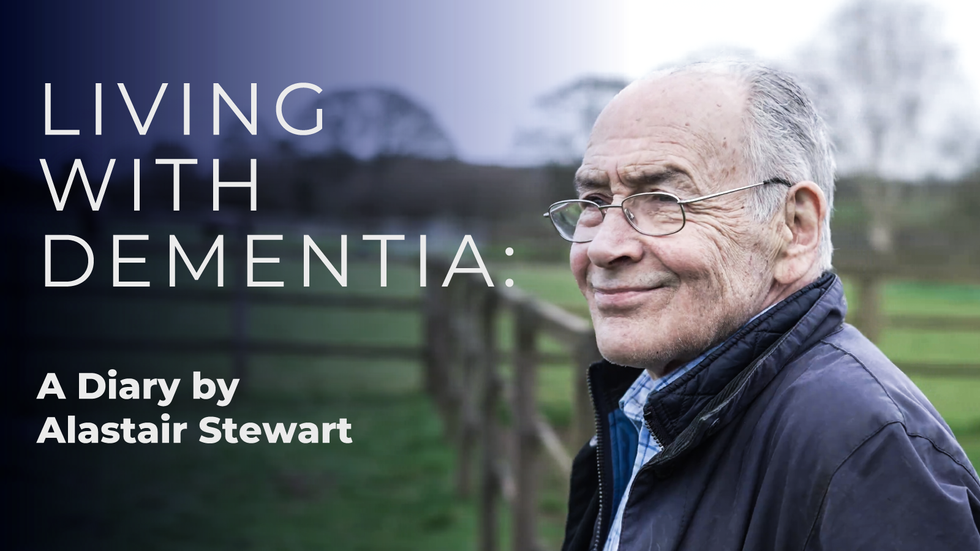
Alastair Stewart: These were my first signs of dementia
| GB NEWSThe political tension was summed up when my brilliant friend, GB News political editor Chris Hope, challenged David Lammy as he arrived at Downing Street.
Chris asked if Starmer should resign. Often, such doorstep interventions are ignored, but Lammy turned, jabbed his finger at the ground and shouted: “It took us fourteen years to get here!” He knows a resignation would likely trigger a general election Labour might well lose.
He also faced criticism from survivors of Mohamed Al Fayed for not pursuing him with the same vigour as others had pursued Epstein. That story may yet return.
All this reminded me of the final days of Margaret Thatcher in 1990. After losing the first round against Michael Heseltine, senior colleagues urged her to step down. But she famously declared: “We fight on.”
It followed Geoffrey Howe’s devastating resignation speech, that image of going out to bat only to find the captain had broken the bat. Despite my dementia, I remember it vividly. Big issues. Big characters. A golden age of British politics compared with today’s grey mediocrity.
At the time, I was ITN’s Washington correspondent, occasionally called upon by CNN as an “expert” on British politics.
They asked me who would succeed Thatcher. I said John Major, relatively unsullied, steady, underestimated. I was proud to be proved right.
CNN had barely heard of him. Do your homework and keep in touch, as Alastair Burnet always taught me. On a happier note, I received a lovely call from my old friend Graham Thompson, who was judging the Royal Television Journalism Awards. He said the “Presenter of the Year” category reminded him of me, so kind. I won the award in 2005.
We spoke of today’s broadcasters. I suggested Sophie Raworth stands out, equally strong in the studio and in the field, knowledgeable and self-effacing. Too many now make it about themselves and forget the homework.
Health-wise, dizziness and depression remain challenges, not least in the state of UK politics. But there was an unintended moment of humour in the Commons this week when Independent MP Ayoub Khan complained rubbish was piling up “right beneath his nose” during a bin strike, as he sat directly behind Nigel Farage and Richard Tice. Even they laughed. So did I.
Humour, at last, in a bleak week.