








Ten people connected to the hantavirus-affected MV Hondius cruise ship are being brought to the UK from the British Overseas Territories (BOTs) of Saint Helena and Ascension Island.
The 10 on their way back include both former passengers and contacts of those who travelled on the vessel.
All of them will enter self-isolation upon arrival in the UK.
The UK Health Security Agency has described the transfer as a "precautionary measure" - none of the individuals are currently displaying symptoms.
The UKHSA said the NHS would be better-prepared to provide care to the 10, should any of them fall ill, than medical facilities on the BOTs.
The decision follows an outbreak aboard the MV Hondius cruise ship which has so far claimed three lives.
At Arrowe Park Hospital in Merseyside, clinical assessments and testing of passengers from the Hondius are underway.
That group includes 20 British nationals, one German who lives in the UK, and a Japanese passenger.
They were flown to Manchester from Tenerife on Sunday and are now more than 24 hours into a 72-hour isolation period.
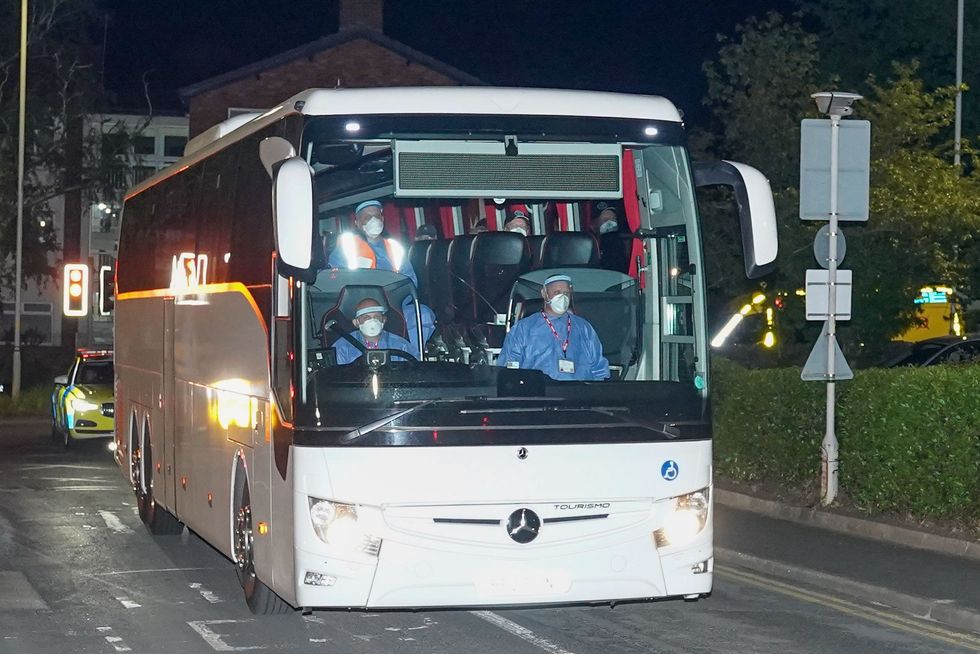
Twenty Britons, a German and a Japanese passenger were rushed to Arrowe Park Hospital in Merseyside over the weekend
|GETTY
The passengers are staying in flats with food and essentials provided, receiving ongoing support from UKHSA and NHS teams.
Their hospital isolation is scheduled to conclude on Wednesday.
After they are discharged, public health specialists will determine whether they can self-isolate at home for up to 45 days or will need alternative accommodation.
The three dead following the outbreak include an elderly Dutch man, his wife who died after leaving the ship, and a German woman who died on board.
World Health Organisation Director-General Tedros Ghebreyesus said on Tuesday morning that "our work is not over" to contain the deadly hantavirus.
HANTAVIRUS - READ MORE:
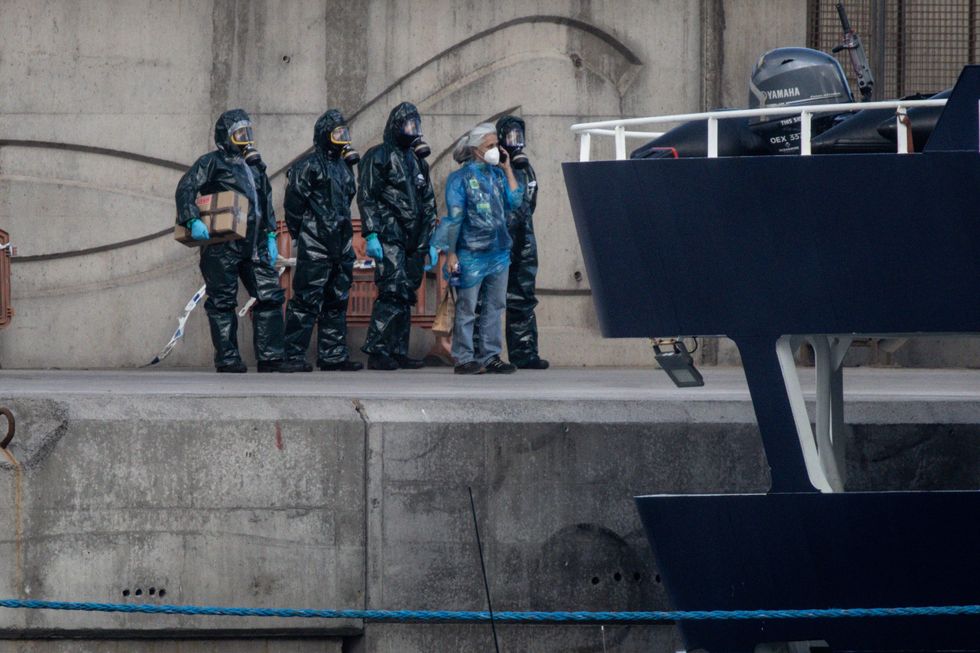
The MV Hondius itself is on its way back to the Netherlands with 25 people and a dead body on board
|GETTY
He said "there is no sign that we are seeing the start of a larger outbreak", but warned that "given the long incubation period of the virus, it's possible we might see more cases in the coming weeks".
The WHO chief said some passengers were "facing mental breakdown" after spending weeks aboard in "what must have been a very frightening situation".
He added that the WHO believed keeping passengers on board during quarantine "would have been inhumane, and unnecessary".
The MV Hondius left Ushuaia in Argentina on April 1 with around 150 passengers and crew from 28 countries aboard.
Ship operator Oceanwide Expeditions confirmed that 87 passengers have been repatriated over recent days.
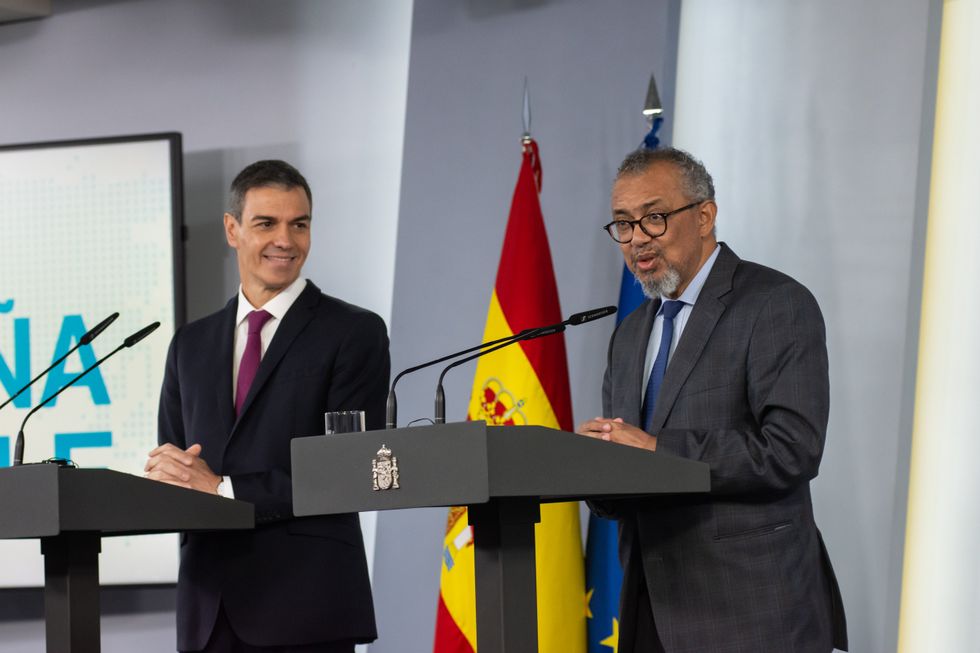
Dr Tedros Ghebreyesus admitted 'we might see more cases in the coming weeks'
|GETTY
All guests who remained aboard when the outbreak was confirmed have now returned to their home countries.
The vessel is currently sailing to the Netherlands carrying 25 crew members and two medical professionals.
The body of the German passenger who died is also being transported on the ship.
The return of the 10 people to the UK comes just six days before a "date to watch" set for when scientists will know if the hantavirus outbreak has spread beyond the Hondius.
Dr Steven Quay, a US physician-scientist, has worked out that third-generation cases should start appearing around this date if the virus has jumped from ship passengers to people they encountered after disembarking.
His calculation is based on a roughly three-week incubation period seen with the Andes strain.
"May 19 is a good date to watch for. If cases continue beyond that point they will probably be generation two to generation three cases," Dr Quay said.