








Fatty liver disease is often dubbed a silent killer because it flies completely under the radar, quietly affecting millions without any obvious warning signs.
In the medical world, it is also called metabolic dysfunction-associated steatotic liver disease, or MASLD for short - and it doesn't have to be permanent.
Dr Na Li, a gastroenterologist at the Ohio State University Wexner Medical Centre who specialises in the condition, has shared crucial insights into why so many cases go unnoticed.
When asked about the earliest warning signs and why they're so frequently overlooked, Dr Li told GB News: "People with fatty liver disease typically do not have symptoms, which is the main reason the condition is often missed."
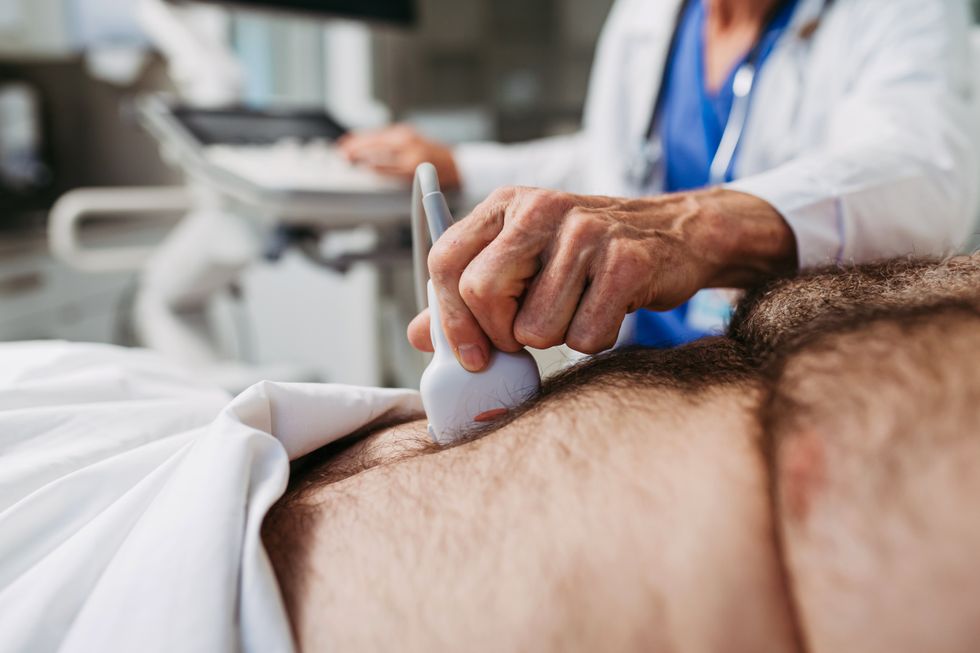
Many cases of fatty liver disease go unnoticed
|GETTY
She explained that the disease rarely causes pain, though some individuals might notice slight discomfort in their upper right abdomen.
Crucially, how bad you feel doesn't actually match how serious the liver damage might be.
"Some individuals may experience non-specific symptoms such as fatigue," Dr Li added.
Brain fog isn't a typical sign of the condition, but those with advanced cases like cirrhosis may experience mental changes, along with swelling in the abdomen or legs, bleeding, and jaundice.
Dr Li also stressed that certain groups need to be particularly vigilant about their liver health.
She said: "People at higher risk – such as those with type 2 diabetes, obesity, or other metabolic conditions like high blood pressure or high cholesterol, as well as those with abnormal liver enzymes – should work closely with their doctor to monitor their liver health."
LATEST DEVELOPMENTS
But the expert made clear that relying on symptoms alone simply isn't enough to catch this disease early.
By the time people actually notice something's wrong, the liver damage has often already progressed to a more serious stage.
Regular check-ups become essential for anyone falling into these higher-risk categories.
Her insight comes as fresh research has brought good news for those battling the condition.
A major study tracking 3,746 patients with fatty liver disease over roughly two years found that Vitamin E made a real difference in tackling liver fibrosis – the scarring that can lead to serious problems if left unchecked.
These findings were presented at the American Society for the Study of Liver Diseases Annual Meeting.
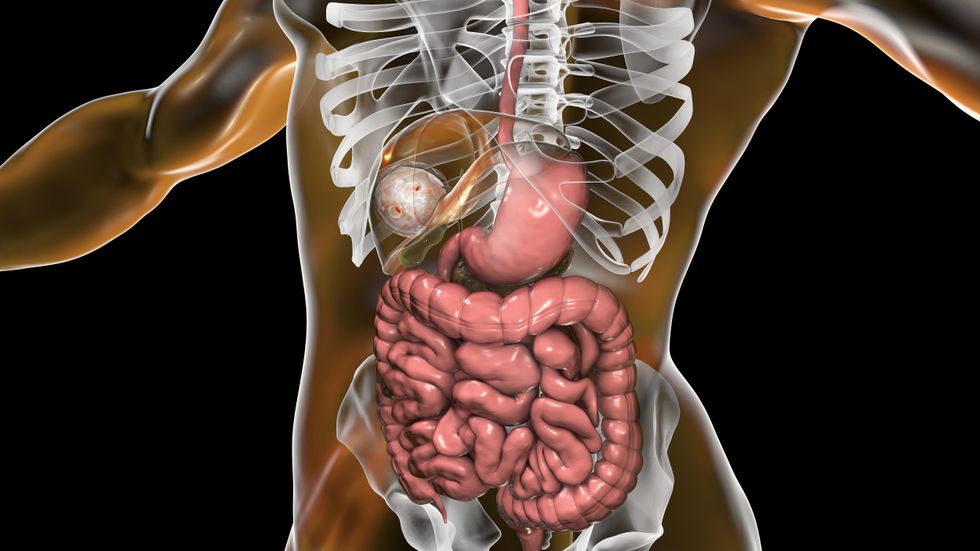
Vitamin E helps fatty liver disease by reducing inflammation
|GETTY
Vitamin E helps by reducing inflammation, cutting down on fat accumulation, and protecting liver cells from damage caused by free radicals.
Some doctors have been recommending 800 IU daily for years now.
While nuts, olive oil and spinach contain the vitamin, dietary sources alone aren't sufficient to treat the condition.
Our Standards: The GB News Editorial Charter