








The once clear-cut divide between type 1 and type 2 diabetes has become remarkably blurred, creating a growing phenomenon doctors are calling "double diabetes".
It turns out that at least 13 per cent of people with type 1 diabetes now also struggle with insulin resistance – a hallmark traditionally associated only with type 2.
What's more, half of all type 1 diagnoses these days happen in adulthood, not childhood, as many might expect.
"The presence of excess weight is no longer a distinguishing feature between patients with type 1 diabetes and those with type 2 diabetes," according to research published in October in the journal Obesity.
TRENDING
Stories
Videos
Your Say
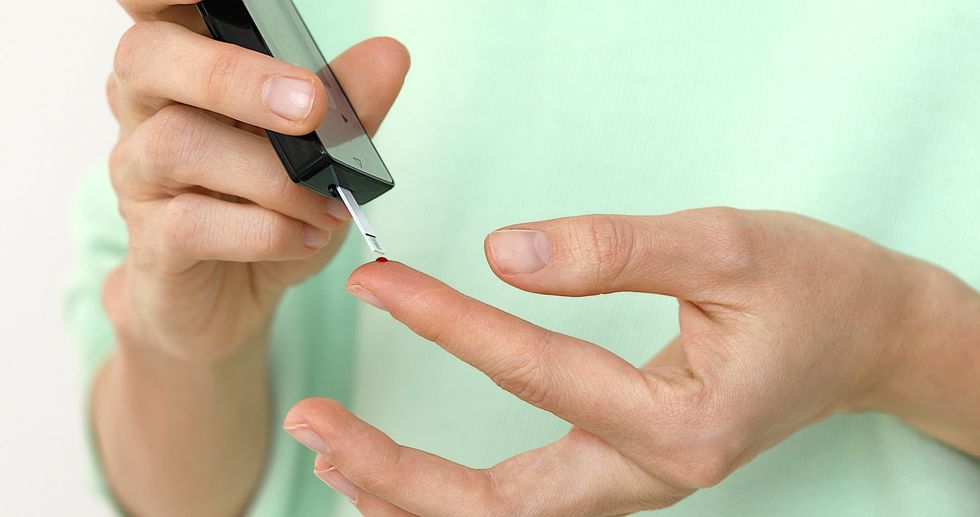
Half of all type 1 diagnoses these days happen in adulthood
|GETTY
Dr Irl B. Hirsch, medical director at the University of Washington Medical Center's Diabetes Care Center, said: "We see the same amount of obesity as in the general population."
This confusion is causing real problems in GP surgeries across the United States.
Dr Hirsch explained that most patients end up misdiagnosed simply because type 2 is so prevalent. "It's not on [the physician's] radar that it could be type 1," he noted.
When adults develop type 1 diabetes, their immune response tends to be gentler, meaning they still have significant insulin-producing beta cells at diagnosis.
"We are losing precious time to preserve beta cells," Dr Hirsch warned.
Getting the diagnosis right quickly matters enormously, but because half of all adults receive their care from GPs, the wait to see an endocrinologist can stretch to six months or longer.
What's more, getting a definitive diagnosis isn't straightforward either.
LATEST DEVELOPMENTS
Autoantibody tests, which help identify type 1 diabetes, can take at least a month to come back. And even then, the results aren't always reliable – roughly 10 per cent of type 1 patients will test negative for antibodies.
"If the result is borderline positive, it won't get you to a type 1 diagnosis," Dr Hirsch noted.
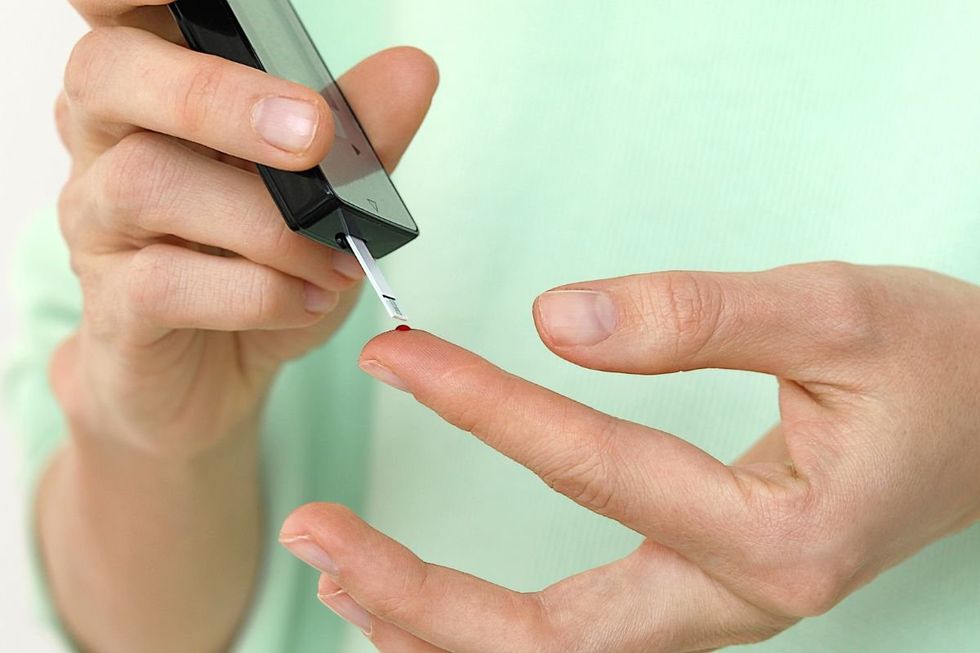
'Getting the diagnosis right quickly matters enormously'
|GETTY
That means another month of waiting, another month before proper treatment can begin.
The C-peptide test offers a more dependable option, measuring how much insulin the pancreas is actually producing.
Thankfully, the American Diabetes Association is expected to release new guidance in early 2026 that prominently addresses double diabetes, giving GPs much-needed direction on recognising and treating the increasingly common condition.
Our Standards: The GB News Editorial Charter