










Colon cancer is no longer just a disease affecting older generations, as one in five diagnoses now occurs in people younger than 54, representing an 11 per cent rise in this age group over the past twenty years.
The figures have sent scientists on a quest to uncover the driving forces behind this surge among younger patients, and several factors appear to be at play.
Firstly, many young adults simply aren't getting enough fibre in their diets, which the body depends on to dilute carcinogens and speed up the transit time of stool.
But another major concern is that too few people recognise the crucial warning signs that could lead to catching the disease early.
TRENDING
Stories
Videos
Your Say
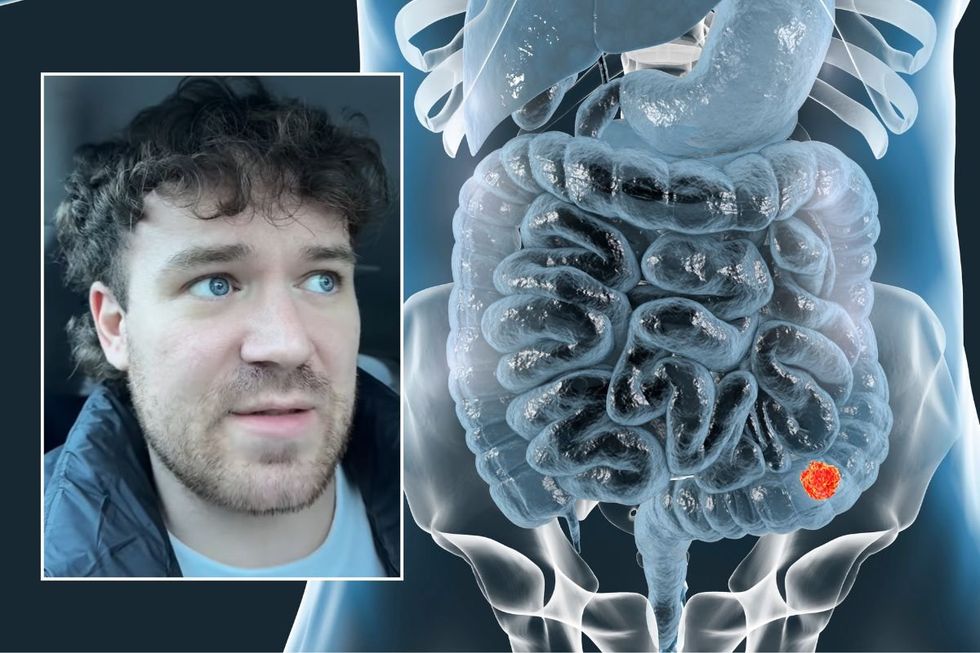
Chris was diagnosed with cancer at 31
|GETTY
This includes survivor Chris Kirt, who was just 31 when he received his diagnosis and has been sharing his experience to help others spot the signs.
"Colon cancer isn't just an older person's disease," he shared on TikTok.
"I was diagnosed at 31. Listen to your body. If something feels off, get checked."
For Chris, the symptoms included extreme tiredness that had him nodding off on the sofa after work, severe night sweats that would soak his sheets and wake him up, blood in his stool, and bowel changes, like feeling incomplete after using the toilet or experiencing sudden urges.
LATEST DEVELOPMENTS:
He noted in one of his videos that the night sweats were "really bad," with his bed and sheets "soaked in sweat" to the point that it woke him up.
Health experts worldwide have always emphasised that catching cancer early dramatically improves survival chances.
While some people may not notice colon cancer symptoms for up to a decade, others spot the warning signs much sooner, making awareness absolutely vital for younger adults.
What is causing colon cancer in young adults?
Scientists have long suspected that a bacterial toxin called colibactin might be behind growing cancer rates in young adults.
Produced by E. coli and other gut bacteria, colibactin has the ability to damage DNA, making it a prime suspect in cancer development.
Research published in Nature earlier this year found a strong connection between exposure to this toxin during childhood and colorectal cancer in patients under 40.
The breakthrough could help explain why so many young people are developing a disease traditionally associated with their parents' and grandparents' generations.
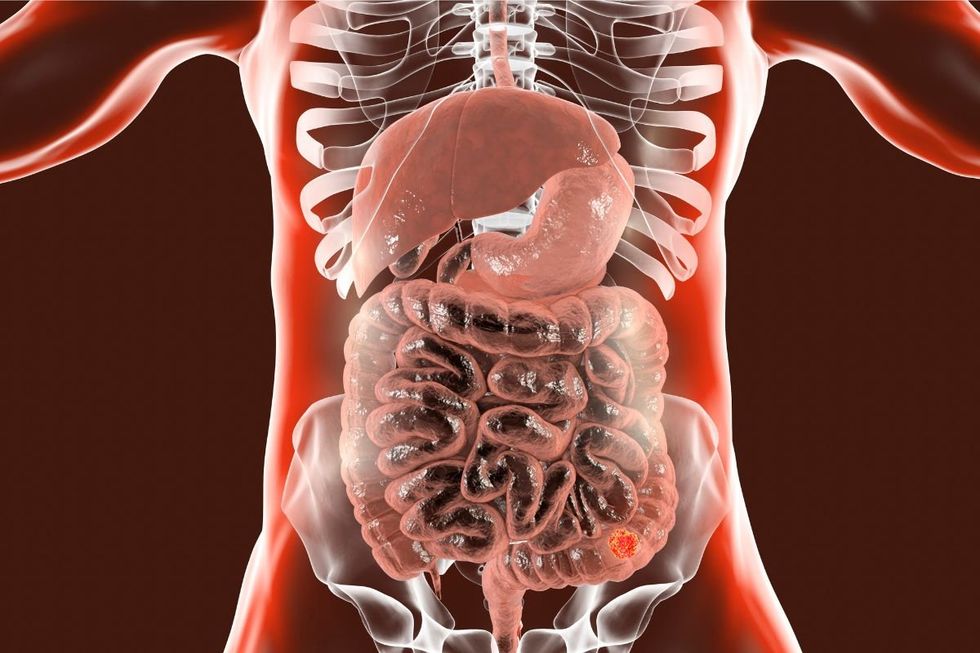 Fibre is a crucial dietary tool to protect against colon cancer | GETTY
The study's findings suggest that participants were exposed to colibactin before they turned 10 years old.
What's more, this early damage to the gut microbiome appears to fast-track cancer development by two to three decades, according to researcher Alexandrov.
Instead of receiving a diagnosis in their 60s or 70s, these patients found themselves facing the disease in their 30s or 40s.
Our Standards: The GB News Editorial Charter