







Sean Penn claimed his third Academy Award on Sunday night, taking home the Best Supporting Actor prize for his performance in Paul Thomas Anderson’s One Battle After Another at the 98th Academy Awards.
However, the 65-year-old actor was notably absent from the Dolby Theatre in Los Angeles to collect his statuette.
Presenter Kieran Culkin, who won the same award last year for A Real Pain, delivered a pointed quip when announcing the winner.
“Sean Penn couldn't be here this evening… or didn't want to,” Mr Culkin remarked before accepting the trophy on his behalf.
TRENDING
Stories
Videos
Your Say
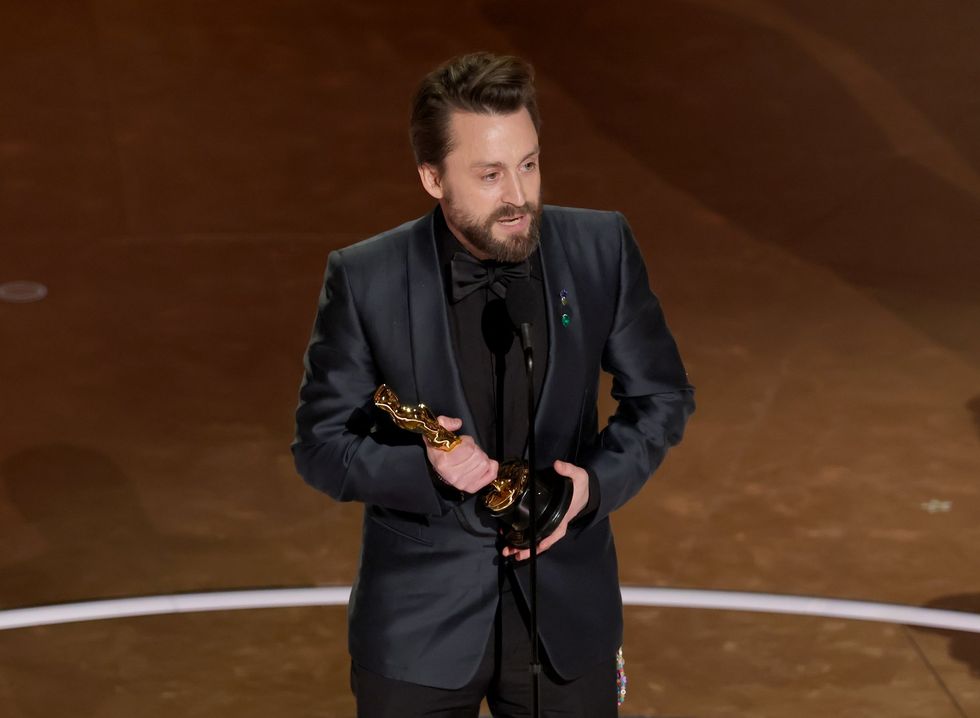
Kieran Culkin accepted the trophy on Mr Penn’s behalf.
|GETTY
Mr Penn’s absence quickly sparked debate online, with some viewers praising his no-show as a rejection of what critics describe as Hollywood’s increasingly “woke” culture.
On social media, one viewer wrote: “Anything but Sean Penn winning this would be a farce or a woke joke.”
Another viewer commented: “Sean Penn is a legend for not showing up to this trash.”
However, others were more critical of the result.
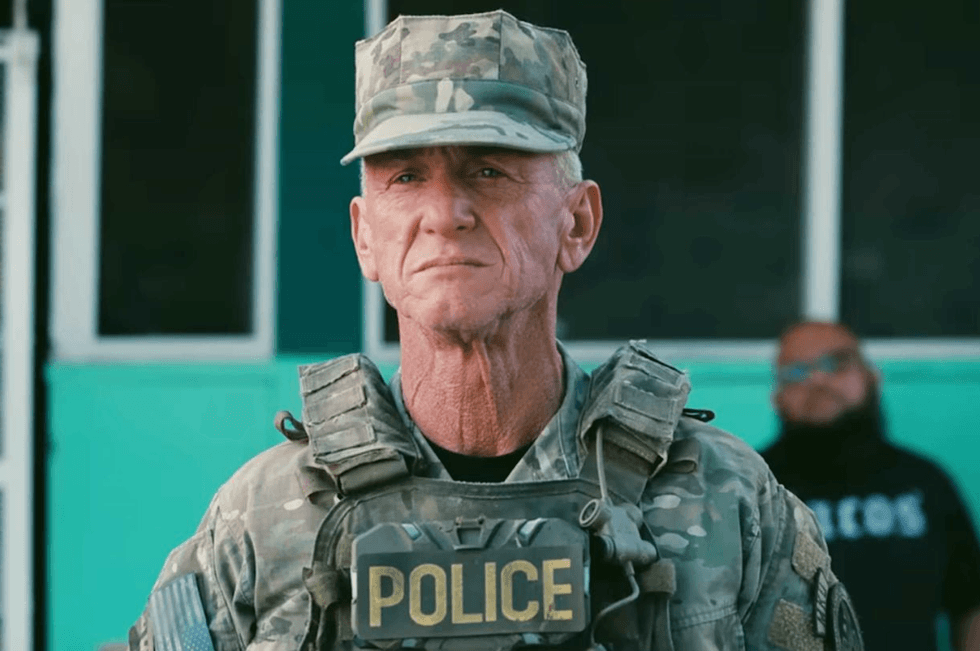
The 65-year-old actor was notably absent from the awards
|WARNER BROS
One said: “I can’t say he didn’t deserve it, but did the world really need a third Sean Penn Oscar?”
Another added: “The Academy should be so beyond embarrassed for that Sean Penn win — giving a third Oscar to someone who didn’t bother to show.”
Some users also questioned why the actor had not appeared at the ceremony.
One post read: “Was Sean Penn deported? Is that why he couldn’t be bothered to show up and collect his Oscar?”
LATEST DEVELOPMENTS
Meanwhile, others argued that another nominee should have taken the prize.
One viewer wrote: “Oh, I know Delroy Lindo was pissed when Sean Penn’s name was called. Delroy deserved this Oscar tbh" (sic).
Mr Penn’s absence follows a long history of skipping major awards ceremonies, often linked to his outspoken criticism of Hollywood’s awards culture.
The actor has criticised the Academy in the past, describing the organisation as “cowardly” for failing to invite Volodymyr Zelensky to previous ceremonies.
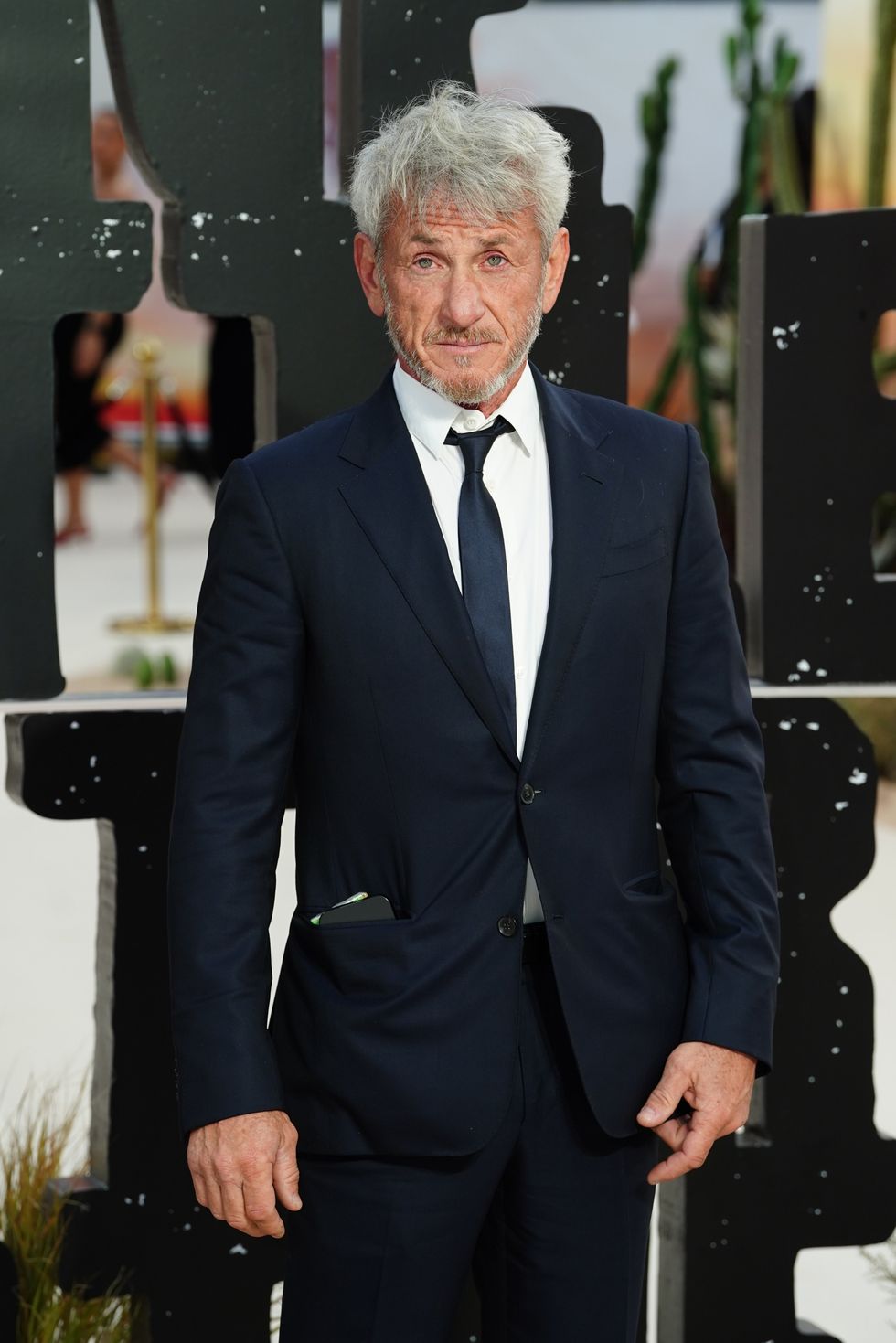
Sean Penn's performance in One Battle After Another was widely praised by critics
| PAHe has also voiced scepticism about aspects of the MeToo movement, describing it as “too black and white” and warning that public discourse surrounding the issue risked becoming overly simplistic.
Despite the controversy surrounding his views and absence from the ceremony, Mr Penn’s performance in One Battle After Another was widely praised by critics.
In the film, he plays Colonel Steven J Lockjaw, a rigid military officer whose brief romantic encounter with Teyana Taylor’s character Perfidia sets off a chain of devastating consequences.
Mr Penn has also questioned the premise of acting competitions altogether, once arguing that there is no such thing as a single “best” performance and describing awards ceremonies as “pompous”.
While he appeared at the Golden Globes in January, where he was photographed smoking cigarettes on camera before losing the award, he skipped both the Baftas and the Screen Actors Guild Awards despite winning Best Supporting Actor at both ceremonies.
His Oscars victory adds to two previous Academy Awards for Best Actor, first for Clint Eastwood’s Mystic River in 2004 and later for his portrayal of gay rights pioneer Harvey Milk in Gus Van Sant’s 2008 biopic Milk.
The actor previously sparked backlash after claiming that American men had become “wildly feminised” and criticising what he described as excessive political correctness in the entertainment industry.
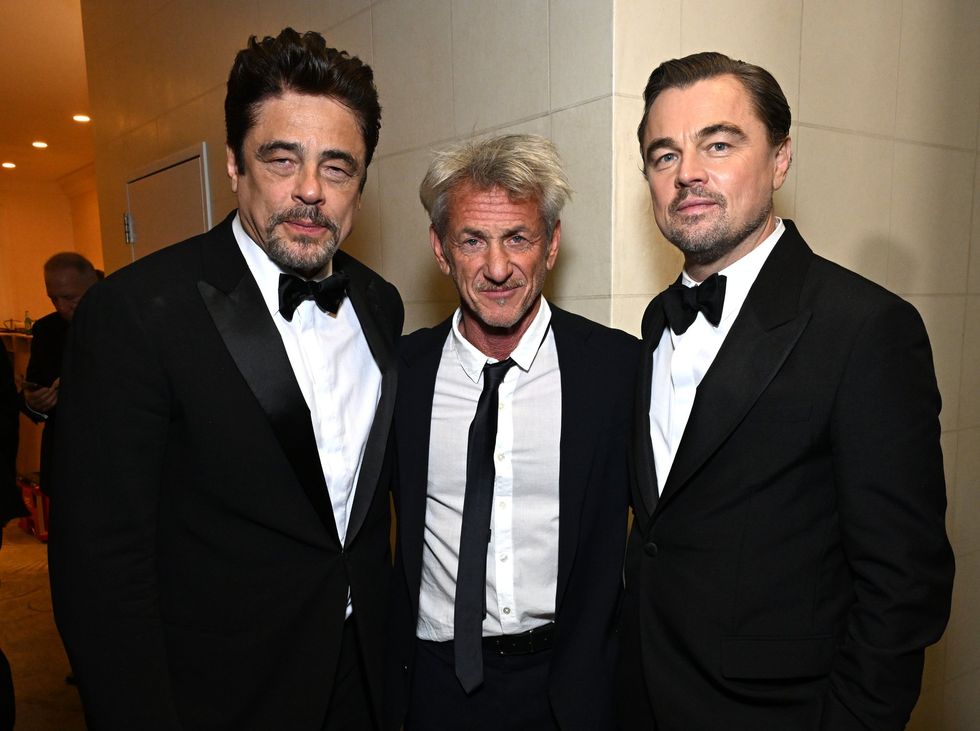
PICTURED: Sean Penn with One Battle castmates Benicio del Toro and Leonardo DiCaprio
GETTY
The colonel, described as a corrupt and zealot-like figure running an immigration detention centre, becomes consumed by efforts to prevent the past indiscretion from derailing his political ambitions.
His obsession ultimately leads him to mobilise military forces and kidnap the daughter of Leonardo DiCaprio’s former revolutionary character, triggering a confrontation that exposes hidden connections between the two men.
The performance has been described by critics as both comic and deeply unsettling, portraying an absurdly uptight soldier tormented by shame.