




ITV's Believe Me director has opened up about police mistakes of the true-life case and how they were presented in the harrowing drama.
Julia Ford was involved in the story-telling of the hard-hitting drama based on the "black cab rapist."
"Undeniably, they were treated very, very poorly by the police," Ms Ford explained, adding that viewers "will feel quite rightly outraged and frustrated" by what unfolded.
Rather than assigning blame to any single officer, the drama depicts how multiple police personnel contributed to a broader institutional failure.
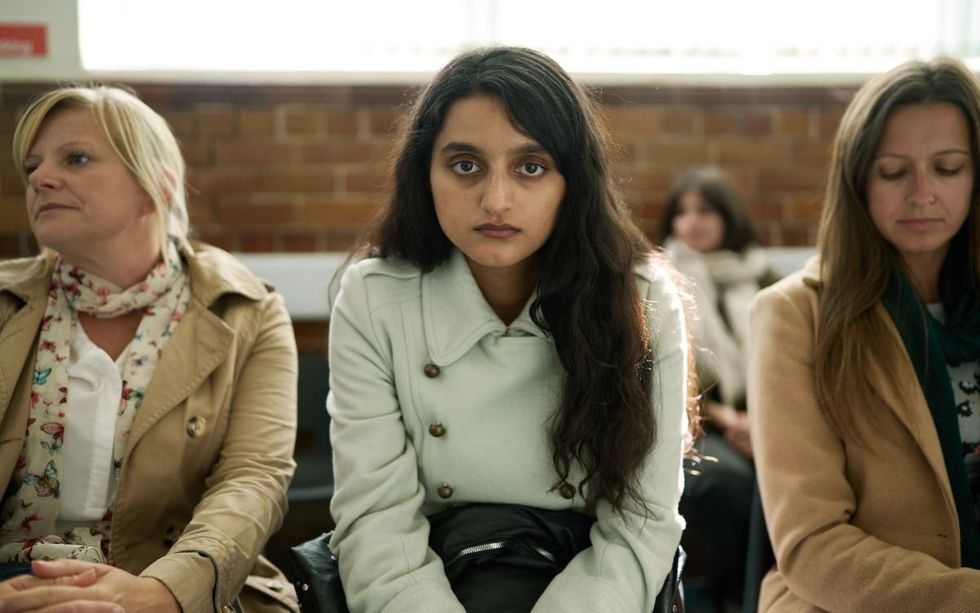
Believe Me tells the story of the 'black cab rapist'
|ITV
"We didn't point the finger at one individual police man or police woman," Ms Ford said.
"It's not about one particular individual, it's the whole system. It's a whole raft of wrong steps all along the way."
The director praised her cast for portraying officers not as villains but simply as people operating within a flawed system.
The drama centres on the case of John Worboys, known as the "black cab rapist," who exploited his position as a licensed taxi driver to prey on women across London.
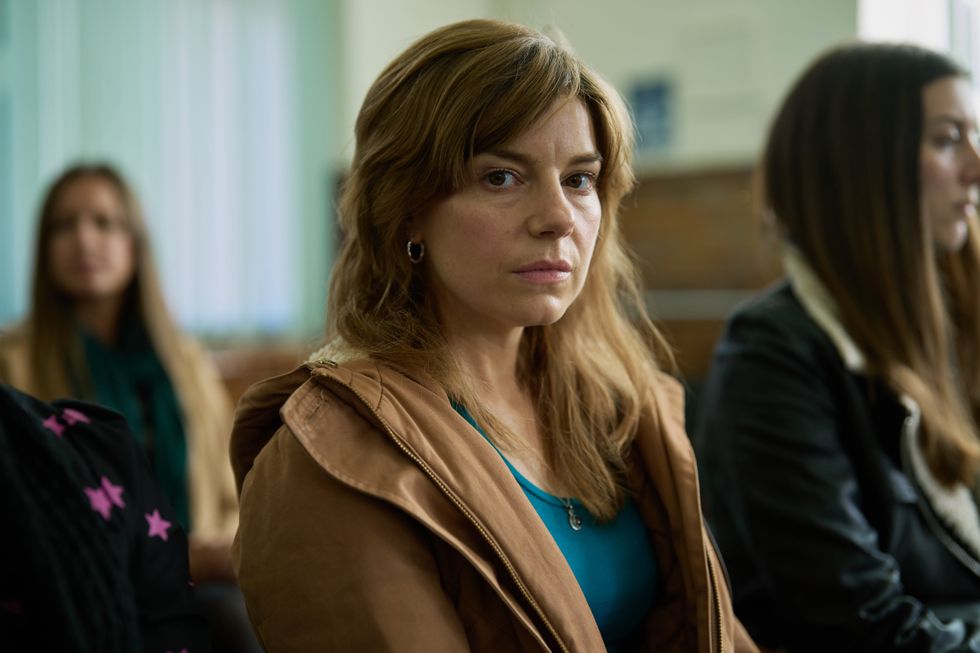
Worboys received a conviction in 2009 for sexually assaulting 12 women between 2006 and 2008, though these cases represented only a fraction of his suspected victims.
His method involved picking up women after nights out, then claiming he had won money at a casino or on the lottery before offering them champagne laced with drugs that left them unconscious.
The Metropolitan Police's inadequate investigation of early complaints meant Worboys remained free to attack women for years without detection.
Following his trial, it emerged that he was connected to allegations involving more than one hundred women.
LATEST DEVELOPMENTS
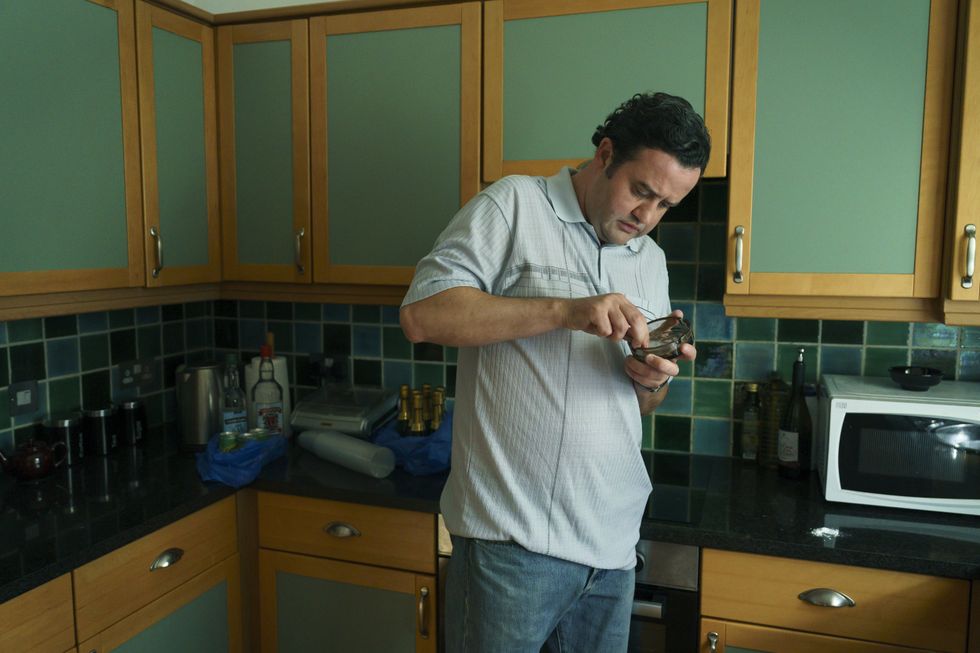 Daniel Mays portrayed John Warboys in Believe Me | ITV
Aasiya Shah, who portrays Laila in the series, found the depiction of systemic failures particularly disturbing.
"I knew that the system had its flaws, but to see it laid out so plainly like that, and not just like a one time thing, it's like a continuous thing," she told journalists.
The actress highlighted how the drama exposes deeper societal attitudes towards women and survivors of assault.
"It's systemic, but it also speaks to, I think, a wider attitude about about how we how we relate to women, how we relate to survivors," Shah said. "I think there are a lot of attitudes that need shifting."
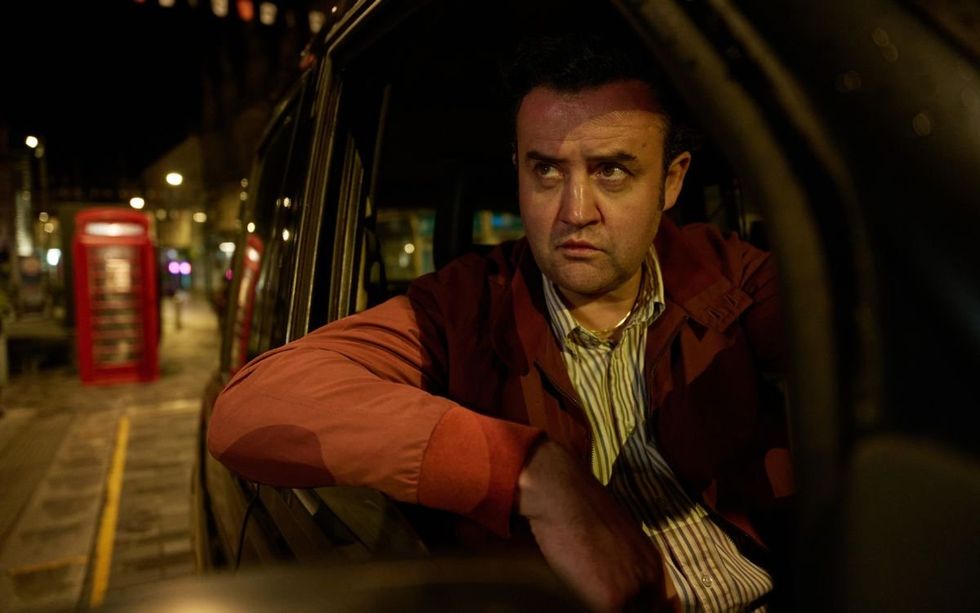 Daniel Mays portrays the real life 'black cab rapist' in ITV drama Believe Me | ITV
She cited one particularly jarring example from the programme: an officer questioning whether Laila's red nail varnish was indicative of her character.
The two victims at the heart of the drama, Sarah and Laila, pursued legal action against the Metropolitan Police under the Human Rights Act for failing to properly investigate their allegations.
Their case argued that the force's inadequate response subjected them to degrading treatment and compounded their distress.
They secured victory in court, and when the Met mounted appeals that reached the Supreme Court, the women prevailed each time.
Just eight years after Worboys' conviction, his victims faced another battle when he became eligible for parole.
Sarah and Laila joined forces with Carrie Symonds, then a senior Conservative Party press officer who had narrowly escaped Worboys in her youth, to launch a high-profile campaign demanding a judicial review of the Parole Board's decision.