





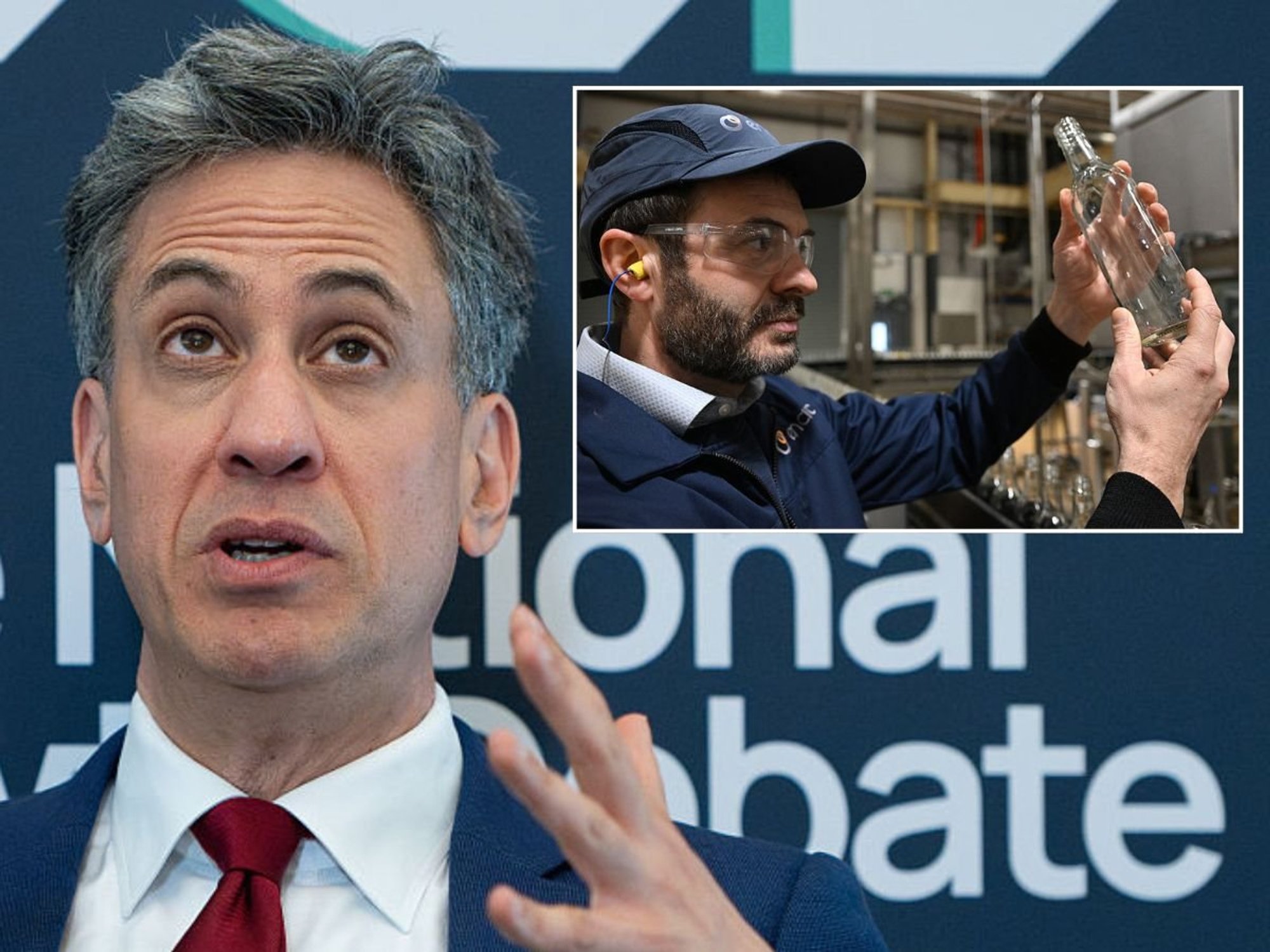
Alex Armstrong has joined the growing backlash against BBC drama The Capture, accusing the corporation of pushing “propaganda” in its latest episode.
The row erupted after a scene from the show’s third series went viral online, prompting fierce criticism from viewers and commentators.
The drama, which follows a Metropolitan Police investigation into misinformation and deepfakes, sparked controversy after depicting a character as a potential extremist partly due to his use of Freedom of Information (FOI) requests relating to migration.
The People's Channel presenter weighed in on X, writing: “Wow. They aren’t even trying to hide the propaganda anymore.
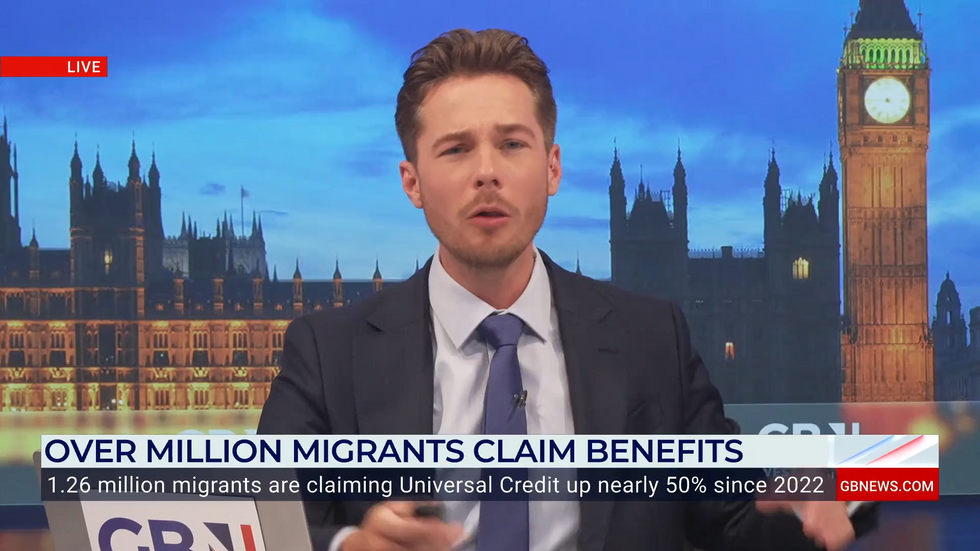
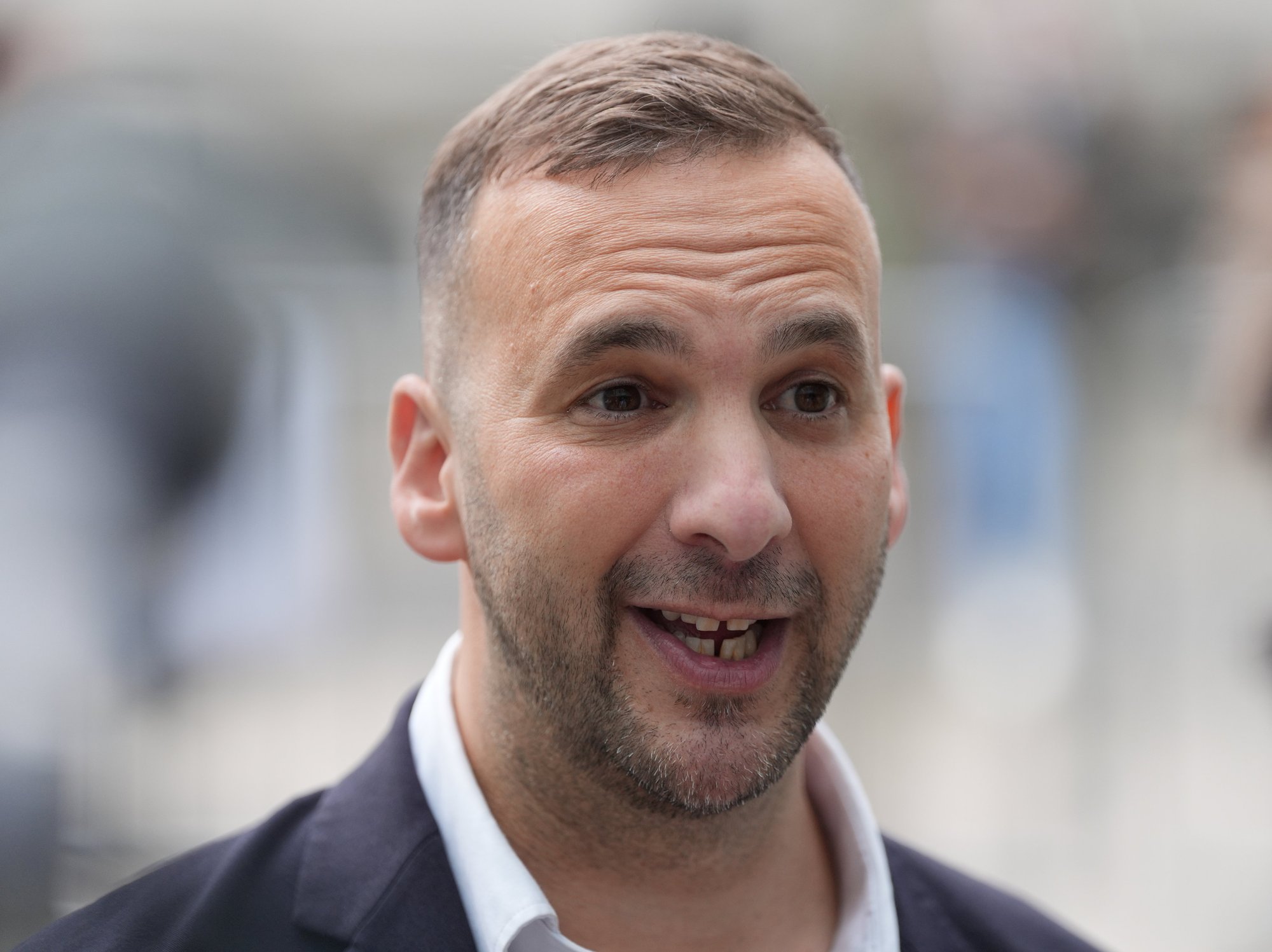
Alex Armstrong called out the new BBC show
| GB NEWS“The real issue is that this is so far from the truth of reality. How many attacks against illegal migrants vs illegal migrant attacks against citizens?
“Shame on the BBC for airing this.”
The clip in question shows a storyline involving a character who files multiple FOI requests and posts online about undocumented migrants, leading police to treat his behaviour as concerning.
Another moment shows footage of small boats crossing the Channel, with families and children appearing distressed, as part of the wider narrative around online messaging and public perception.
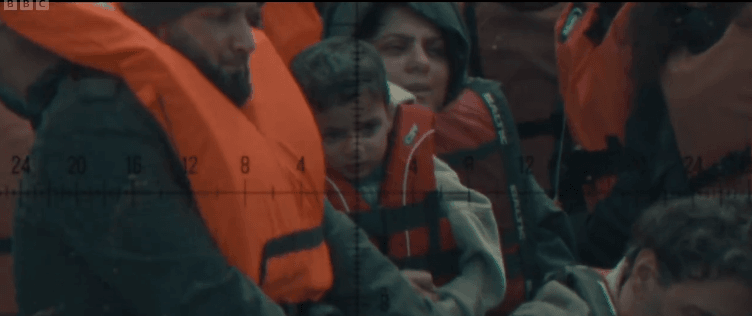
BBC The Capture has been called out for being 'propaganda'
|BBC
Alex's comments quickly gained traction, with social media users piling in to criticise the BBC.
One wrote: “They don't have an audience. It's actually funny now. They are screaming at an empty theatre.”
Another added: “And they wonder why people are cancelling their licences.”
A third said: “This is blatant public manipulation and gaslighting! Thank God I cancelled my TV licence. Shocking.”
LATEST DEVELOPMENTS
Wow. They aren’t even trying to hide the propaganda anymore.
— Alex Armstrong (@Alexarmstrong) March 23, 2026
The real issue is that this is so far from the truth of reality. How many attacks against illegal migrants vs illegal migrant attacks against citizens?
Shame on the BBC for airing this. https://t.co/tk0Pv25SW4
Others questioned the realism of the scenes, with one user asking: “Has anyone ever seen a child on one of these boats?”
However, not all responses were critical.
One user pushed back, arguing: “You've clearly not even watched Capture, or you'd know the premise.”
The controversy centres on a wider criticism that the programme portrays concerns about illegal migration and government transparency as extreme or conspiratorial.
In the episode, the character James Whitlock is shown making a series of claims about migrants entering the UK, including describing Channel crossings as a form of “invasion”.
Critics, including several political commentators, have argued that the show unfairly conflates legitimate scrutiny, such as submitting FOI requests, with extremism.
Reform UK chairman Zia Yusuf said online: “Sending Freedom of Information Requests to the Home Office does not make you a terrorist. It makes you a highly useful citizen.”
Others accused the BBC of promoting a “warped” narrative, with GB News commentator Ben Leo claiming the corporation was “spreading a liberal worldview on viewers”.
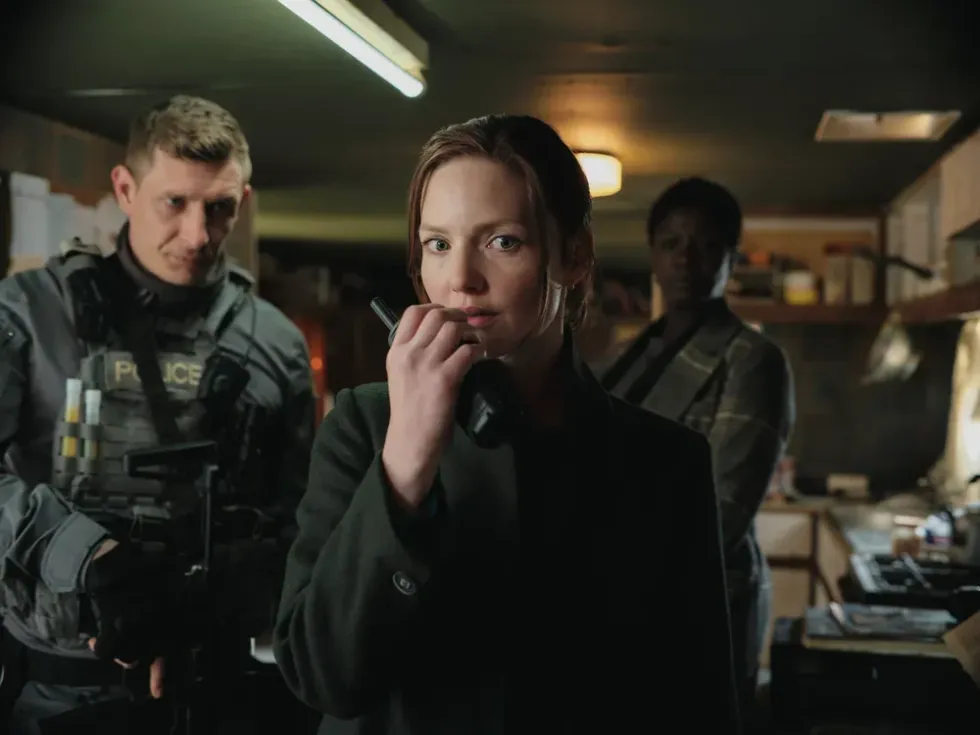
BBC The Capture: Rachel Carey, played by Holliday Grainger
|BBC
The BBC has defended the programme, stressing that it is a fictional drama.
A spokesperson said: “This is a fictional drama and the character of James Whitlock is not based on any individual person.”
The debate comes amid broader discussions around the use of FOI requests in the UK, after reports that officials are considering tightening the system to reduce costs as demand increases.
Despite the BBC’s defence, the backlash shows little sign of slowing, with critics continuing to accuse the broadcaster of bias and question how public money is being used.