




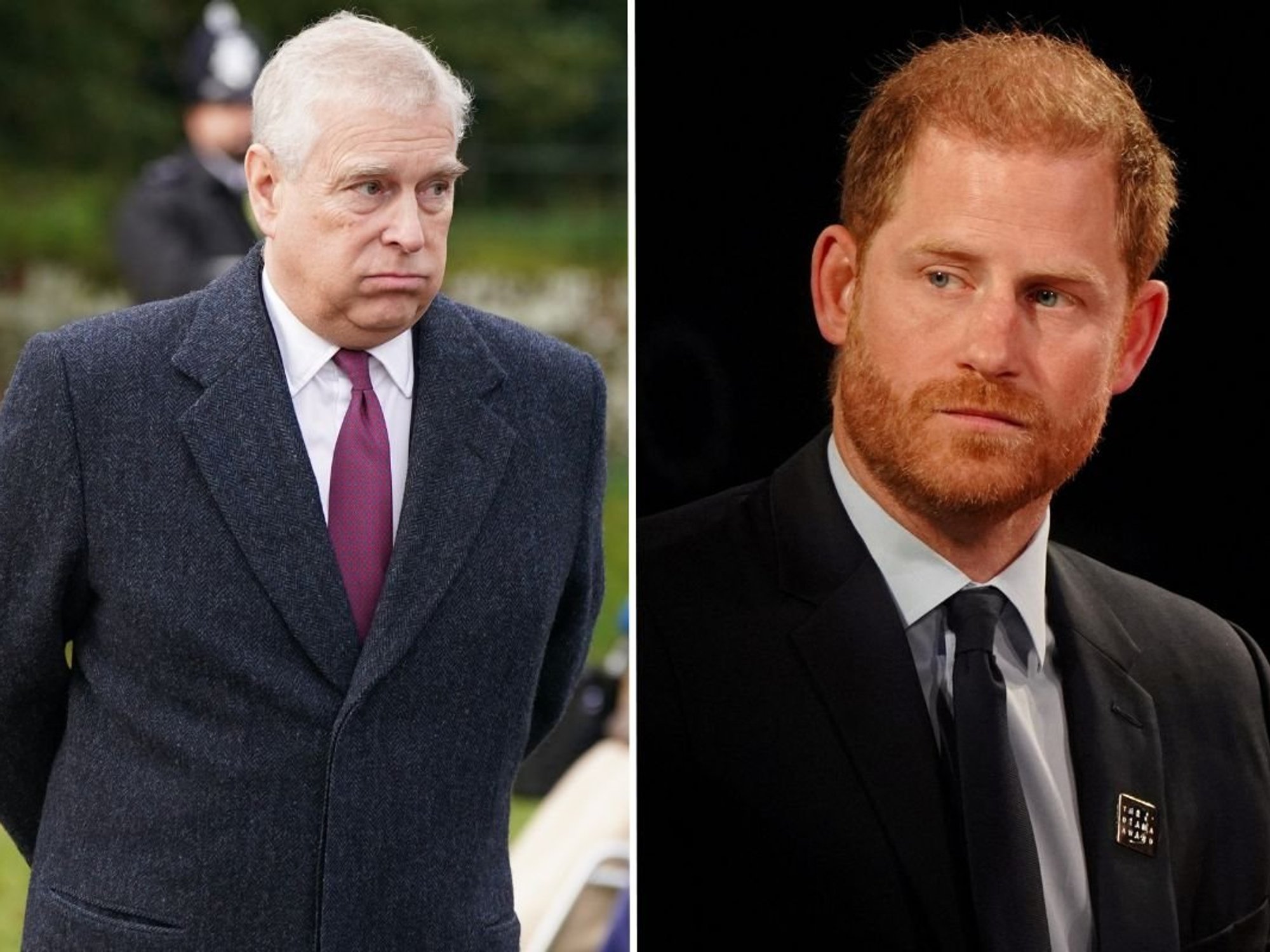

GB News star Alex Armstrong has accused the BBC of hypocrisy and “poor journalism” after the broadcaster rapidly updated its reporting on Egyptian activist Alaa Abdel Fattah, while failing to amend an earlier article that critics say omitted key information.
In a post on X, Mr Armstrong wrote: “The BBC were very quick to put this one out. Funny how they didn’t act with the same sense of speed and urgency to update their original piece of poor journalism when they omitted critical information from their story two days ago.”
Mr Armstrong was responding to a BBC News article published on December 29 titled “Egyptian dissident sorry for tweets as Tories push for deportation from UK”, which detailed resurfaced social media posts in which Mr Abdel Fattah appeared to call for violence against Zionists and police officers.
The article reported that the British-Egyptian activist had issued an “unequivocal” apology for the posts, acknowledging they were “shocking and hurtful”, as Conservative and Reform UK figures called for his citizenship to be reviewed.
TRENDING
Stories
Videos
Your Say
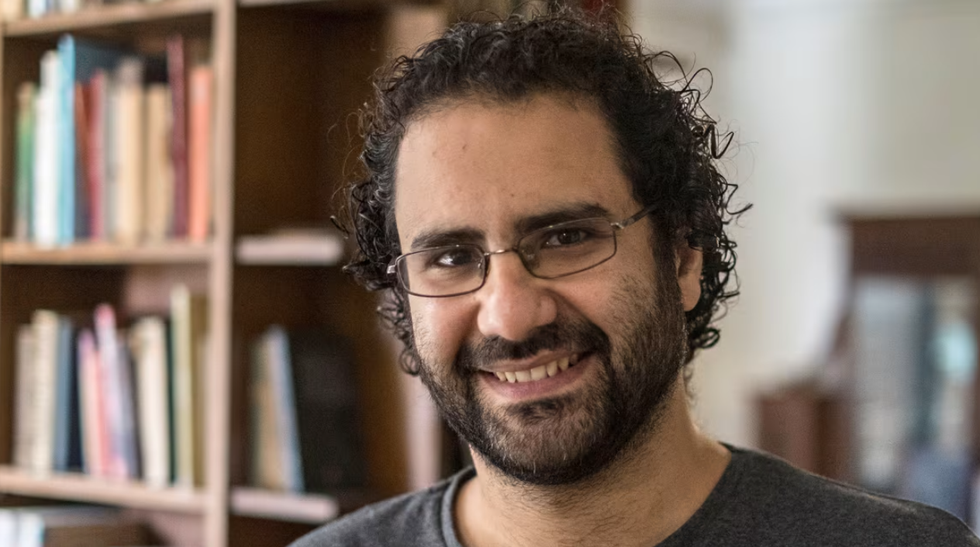
Alaa Abdel Fattah returned to the UK on Boxing Day after being pardoned by Egyptian president Abdel Fattah el-Sisi
|GETTY
However, critics argue the broadcaster failed to show the same urgency when covering Mr Abdel Fattah’s return to Britain just two days earlier.
After more than a decade of imprisonment in Egypt, the prominent pro-democracy activist and dual national was pardoned in September 2025 and reunited with his family in the UK on December 26.
His arrival was swiftly followed by a political storm after historic tweets from between 2010 and 2012 resurfaced, in which he appeared to use violent rhetoric against police officers and “Zionists”.
Following backlash from the Board of Deputies of British Jews and opposition politicians calling for the revocation of his British citizenship and deportation, the government of Prime Minister Keir Starmer condemned the posts as “abhorrent”.
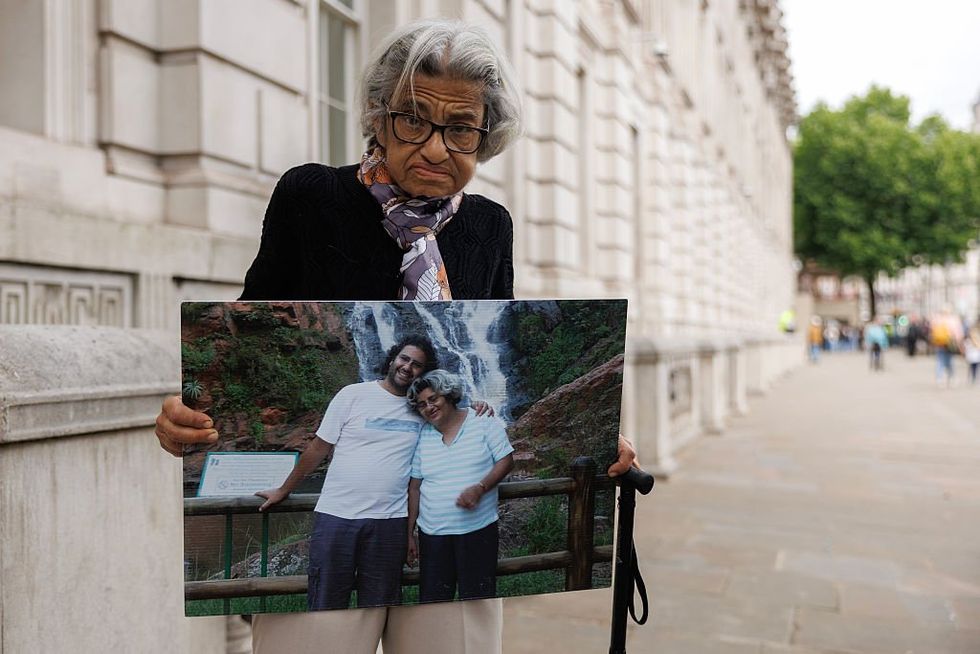
Laila Soueif engaged in high-profile hunger strikes to demand her son's release from Egyptian prison
|GETTY
In its December 27 report, “British-Egyptian activist arrives in UK after travel ban lifted”, the BBC described Mr Abdel Fattah as a “writer and pro-democracy activist” and focused heavily on his release from prison after what human rights groups said was an unfair trial.
That article made no reference to the historic tweets, despite the fact similar remarks previously led to the withdrawal of a European human rights award nomination in 2014.
The original report also prominently featured a welcoming message from Sir Keir, who said he was “delighted” by Mr Abdel Fattah’s arrival and described the case as a top government priority.
Following the resurfacing of the tweets, Sir Keir and senior ministers came under pressure, with Downing Street later stressing that the government “condemns” the historic comments and considers them “abhorrent”.
LATEST DEVELOPMENTS
The BBC were very quick to put this one out.
— Alex Armstrong (@Alexarmstrong) December 29, 2025
Funny how they didn’t act with the same sense of speed and urgency to update their original piece of poor journalism when they omitted critical information from their story two days ago. https://t.co/4vUsDSInFb
Mr Abdel Fattah said in a statement that some of the posts had been misunderstood.
“I am shaken that, just as I am being reunited with my family for the first time in 12 years, several historic tweets of mine have been republished and used to question and attack my integrity and values,” he said.
While apologising for remarks he accepted were offensive, he argued others had been misrepresented, including posts he said mocked homophobia and Holocaust denial rather than endorsing them. He insisted he takes allegations of antisemitism “very seriously”.
The controversy has since escalated politically. Reform UK leader Nigel Farage has reported Mr Abdel Fattah to counter-terrorism police, asking the Prevent programme to assess whether his historic posts pose a security concern.
Mr Farage has also called for the activist to be stripped of his British citizenship and deported, accusing Labour and the Conservatives of a “uniparty” approach that prioritises individuals who “hate Britain”.
Conservative figures including Kemi Badenoch and Robert Jenrick have echoed those calls, arguing there was a serious lack of due diligence when Mr Abdel Fattah was granted citizenship in 2021 under the previous Conservative government.
Reaction to Mr Armstrong’s tweet was swift, with critics accusing the BBC of continuing to downplay the severity of the comments by referring to Mr Abdel Fattah primarily as a “dissident”.
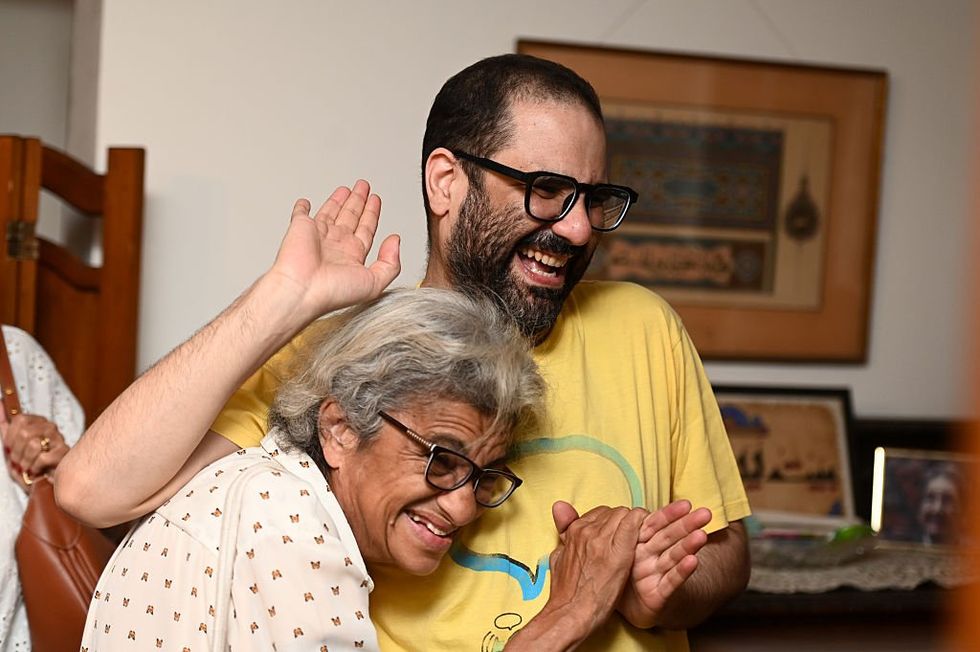
Alaa Abdel Fattah was reunited with his family in the UK on December 26
|GETTY
One user wrote: “Still showering the extremist scumbag with softly, softly descriptions like ‘dissident’.”
Another added: “They still don’t describe him as what he is, or mention him wanting white people dead. Funny how that one seems to get ignored.”
Others questioned the broadcaster’s neutrality, with some claiming the episode reinforced doubts about the BBC’s ability to operate as an impartial public service broadcaster.
A BBC spokesperson told GB News: "We have reported developments to this story as further details have emerged including on Alaa Abdel Fattah’s social media posts and reaction from across the political spectrum."