

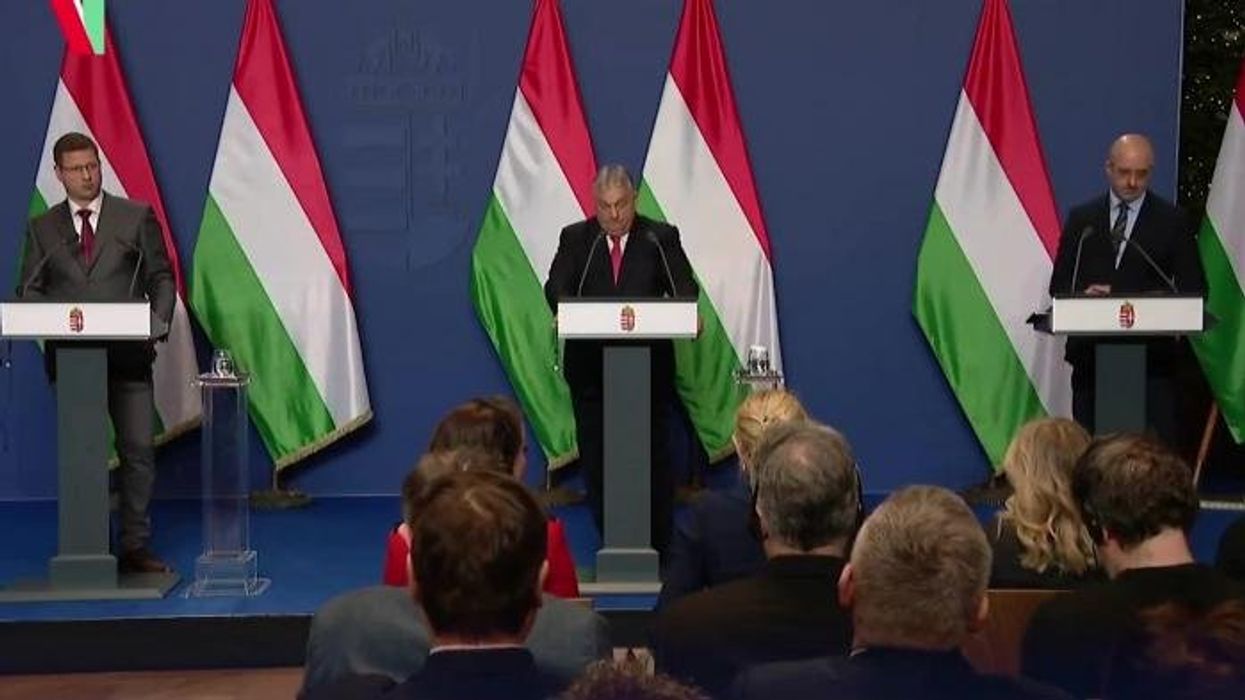



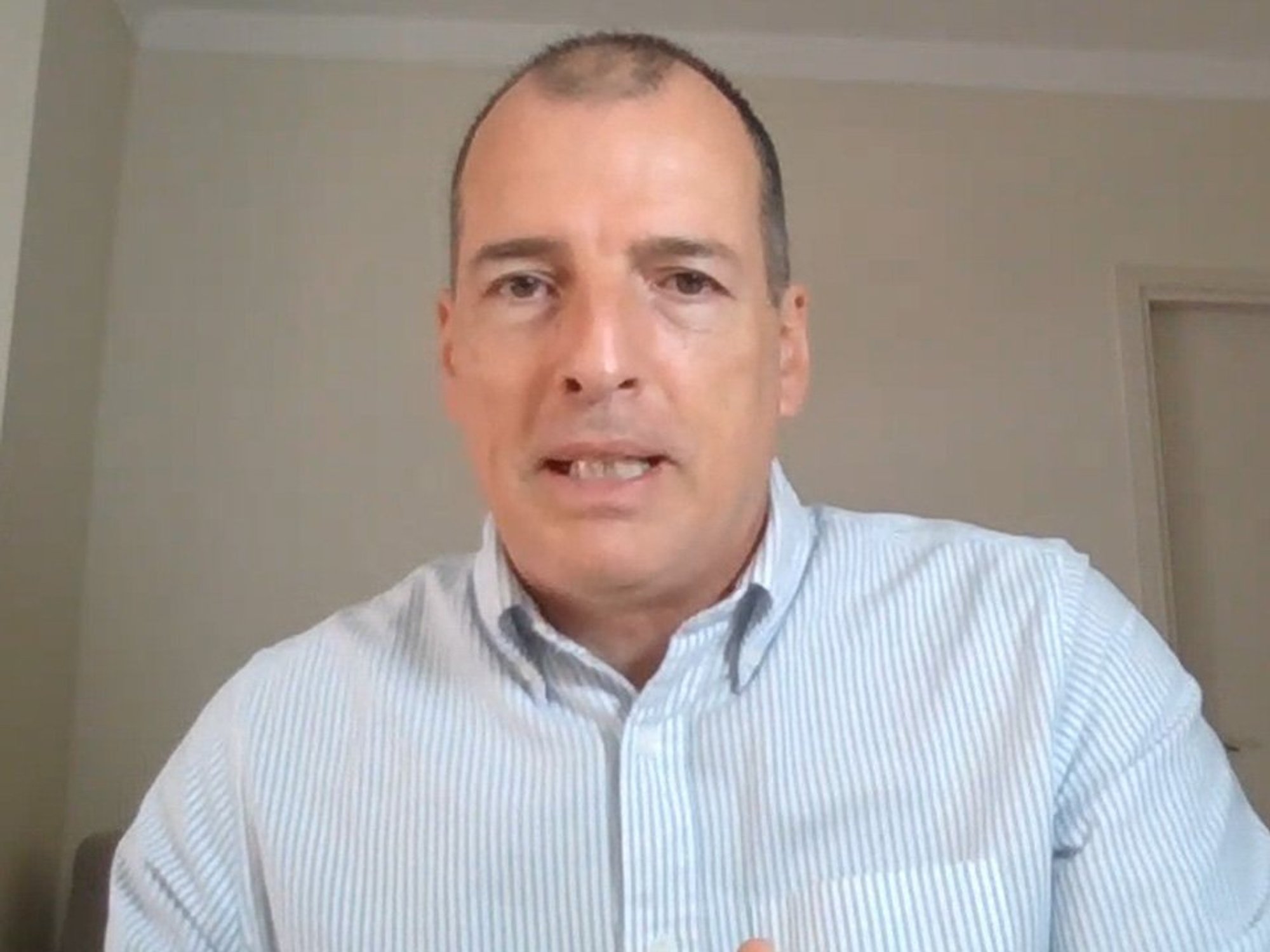

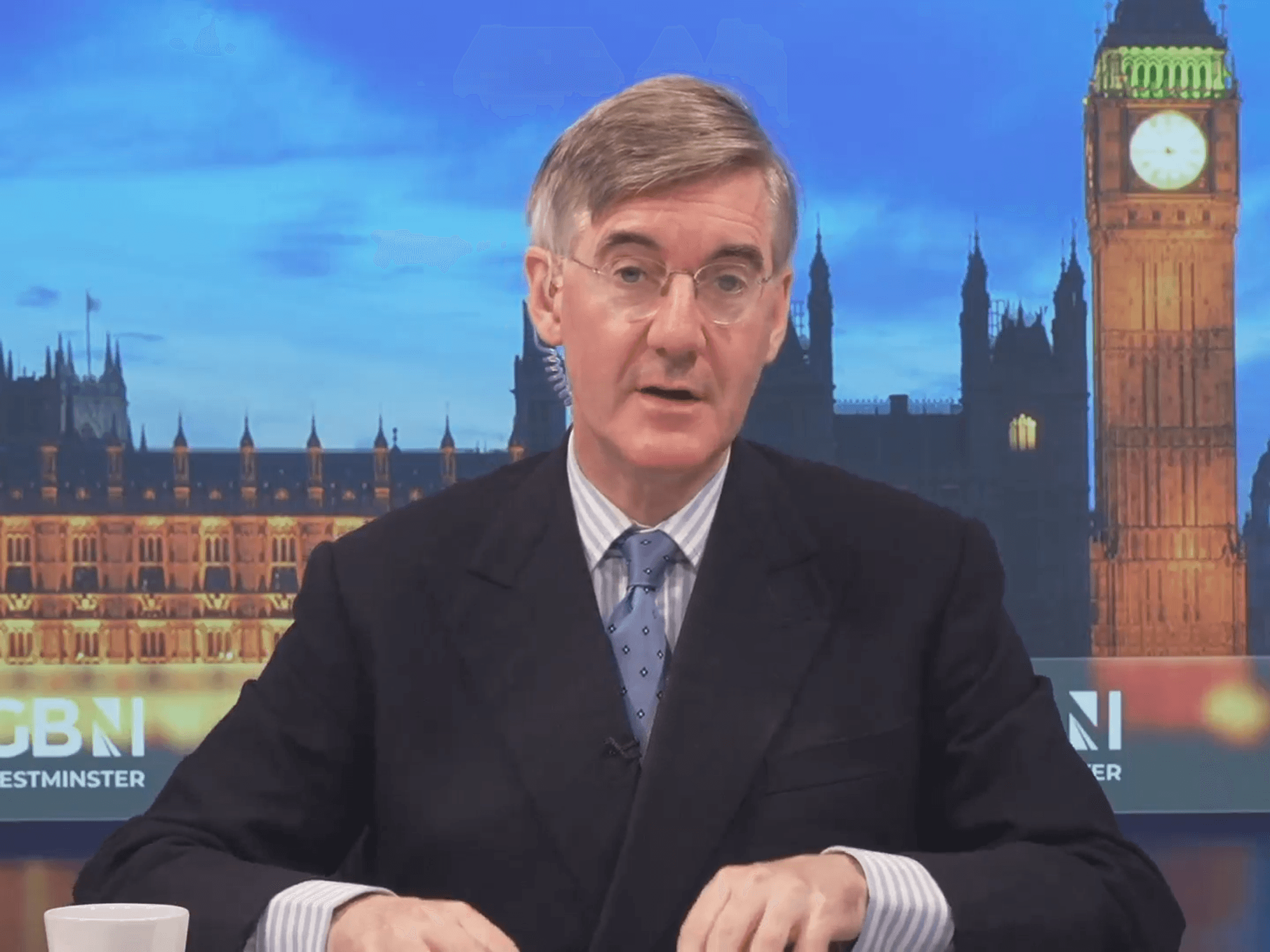
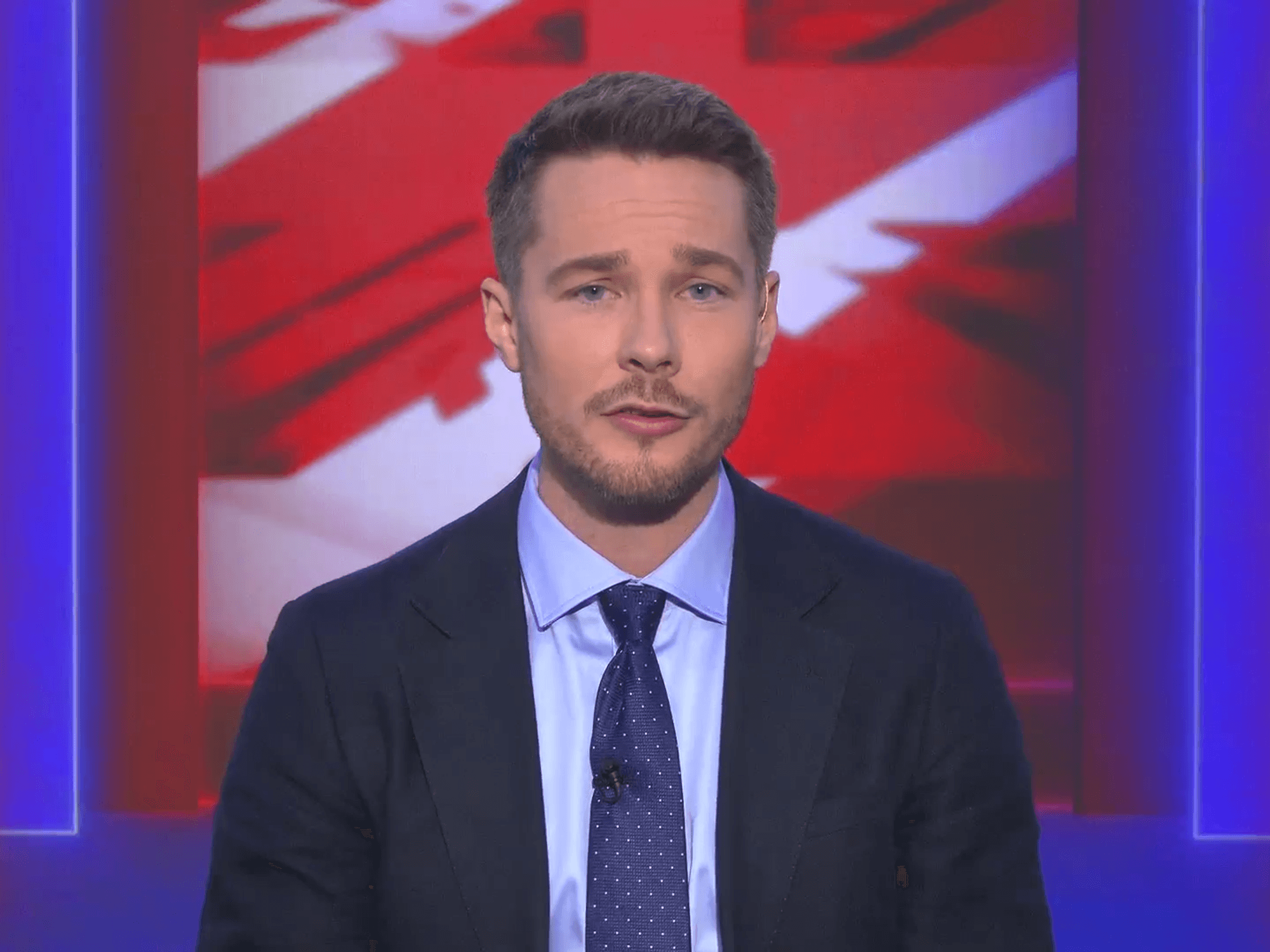

On Monday, Hungarian Prime Minister Viktor Orban held his annual international press conference in Budapest. I attended the event on behalf of GB News — the only UK broadcaster to be granted access — and took the opportunity to ask Mr Orban about the Hungarian approach to illegal immigration.
Viktor Orban is one of Europe’s most well-known and longest-serving leaders, having been in power since 2010. The Hungarian Prime Minister and his Fidesz Party have long been a thorn in the side of Brussels bureaucrats. And Mr Orban has been widely criticised by Western European media, who accuse him of being an authoritarian nationalist and Vladimir Putin sympathiser.
But with the rest of Europe now waking up to the devastating consequences of uncontrolled immigration, interest in – and respect for – Mr Orban’s restrictionist stance is growing.
The Hungarian approach to immigration is unique on the continent of Europe. After the European migration crisis of 2015, the Hungarian government organised a national referendum on the issue, and an overwhelming 98 per cent of Hungarians voted against Brussels’ proposed immigration quotas.
Yet from Mr Orban’s point of view, it is money well spent to prevent the Hungarian nation from following the self-destructive path of Western Europe.
In my question for GB News, I asked Mr Orban if he thought there was any future for the UK, France and Germany, whose populations have been transformed by mass immigration, or whether he now believed decline is inevitable.
The Hungarian PM didn’t pull his punches, telling me he is grateful that Hungary has escaped the same fate by cracking down on immigration before it was too late.
He observed that central and Eastern European countries were much quicker to respond to the 2015 migration crisis than their Western counterparts because, in large part due to their communist history, former Soviet bloc nations had little or no existing immigration, and so the influx of thousands of migrants came as a shock.
Mr Orban told me that he believes it will become increasingly difficult for high-migration countries within the EU to continue to work together with low-migration nations as their interests and cultures diverge.
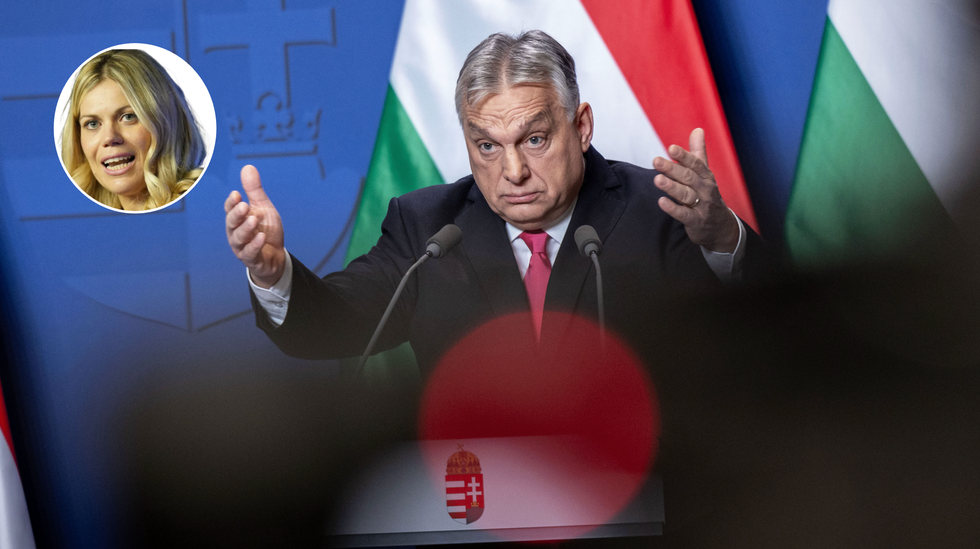
Europe's perennial pariah offers Britain a blueprint to stop the small boats crisis - Miriam Cates
|Getty Images
The press conference lasted two and a half hours, with international journalists probing the Hungarian Prime Minister on topics from geopolitical events in Ukraine and Venezuela to domestic issues such as the railway service and arguments with opposition politicians.
In many ways, it could have been an event held in any European country; for all their novel policies on immigration and family, the Hungarians struggle with the same problems of low growth and budget deficits that are common to our continent.
Yet Mr Orban remains Europe’s perennial pariah, sparking outrage over a whole range of issues, such as his pro-family tax subsidies, a controversial crackdown on foreign funding of NGOs and his refusal to send any funds or weapons to Ukraine. But as controversial as Mr Orban may be, he has time and again been proven right over the last decade as one by one, Western liberal post-war orthodoxies have fallen.
The Hungarian government was the first Western administration to take seriously the phenomenon of collapsing fertility rates, recognising the economic and social threats of a future where each generation is smaller than the one before.
When Fidesz began an intensive programme of support for families, with tax cuts, housing loans, maternity pay and support for married couples, many in the West labelled this ‘sexist’ or regressive.
Yet now, as more and more nations wake up to the realities of birth rate decline, leaders are increasingly looking to Hungary for inspiration.
On net zero, Hungary has maintained a consistent pragmatic stance, putting energy security above ideology. Now even the EU is backtracking on its green policies.
When Donald Trump was persona non grata in Europe, Mr Orban was the only leader to offer the presidential candidate his support, a decision that has resulted in financial guarantees for Hungary from the US and a place on the world stage.
And when it comes to Ukraine, those who pilloried Mr Orban for saying in 2023 that the Ukrainians cannot win the war because NATO won’t put troops on the ground are now recognising that the EU’s pro-war policies have prolonged a costly conflict that has left hundreds of thousands dead.
In the West, the liberal globalist consensus has dominated politics for decades. Patriotic nationalism – and those who support it – has been dismissed, labelled ‘dangerous’, ‘populist’ and far right.
But as the new realities of war, debt, energy insecurity, the failings of mass migration, and falling birth rates start to burst the liberal bubble, leaders like Mr Orban have every right to say, ‘I told you so.’
As Mr Orban declared at the press conference on Monday, the liberal world order ended in 2025. What comes next is yet to be determined, but the Hungarian leader predicts we are entering the era of the nation state, where national interest will take precedence over international agreements.
The Hungarian model proves that it is possible for a small country with a traumatic history to resist attempts to encroach on its national sovereignty.
However long Mr Orban remains in power - he is hoping to win a fifth term in office this spring - under his leadership, Hungary has become a country that punches well above its weight. Many countries will regret their failure to pay attention.
More From GB News