




A village in Suffolk is bracing itself for the arrival of thousands of Muslims for a three-day ijtema – an annual or periodic Islamic congregation – organised by a mosque in the West Yorkshire town of Dewsbury.
The purpose of such gatherings is to strengthen religious knowledge, facilitate moral growth, foster spiritual development, and aid academic progress among the attendees. But is it an opportunity to bolster social cohesion in modern Britain, or a risk to it?
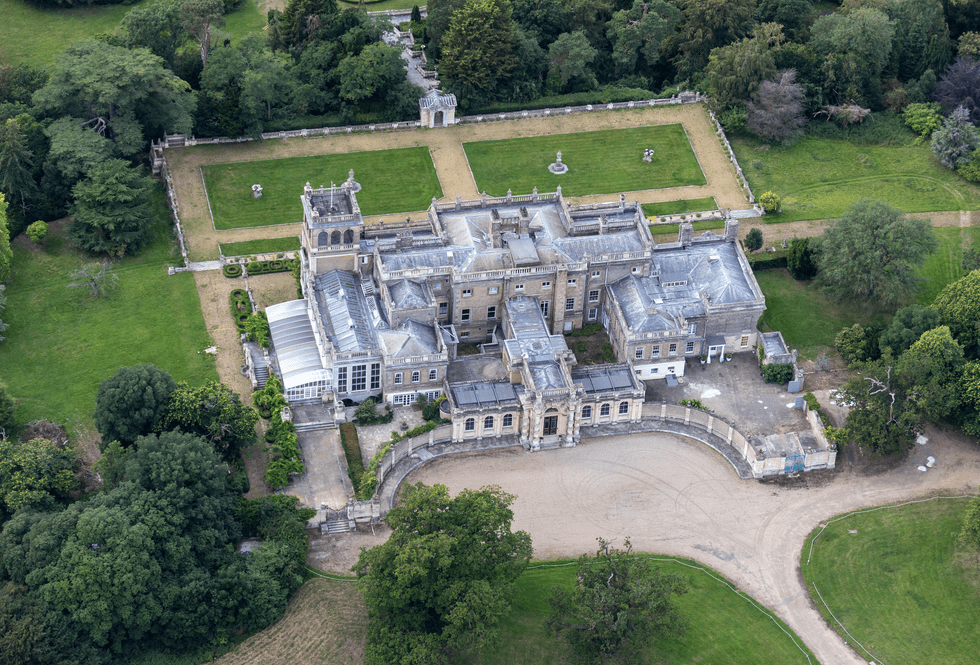
Some residents in Barham – a traditional English village near Ipswich on the River Gipping, which has a population of 1,600 or so - have demanded the cancellation of the Islamic meeting at Shrubland Hall, a Georgian manor house, which is scheduled to take place between 10-12 July.
According to the directors of the estate, the stately home was selected ahead of ExCeL London and the National Exhibition Centre (NEC) in Birmingham — two of the UK's largest event venues in two of the country's largest cities.
There does appear to be considerable confusion over the potential number of attendees, with an original estimate of 100,000 being significantly downgraded to 7,000-10,000 visitors.
The picture is also unclear over the degree to which the event organisers – a UK-registered charity by the name of Anjuman-e-Ishahul Muslimeen – have been in communication with the local safety advisory group over the planning of the event.
Thousands of Muslims are about to stress test social cohesion in a Suffolk village
|Getty Images
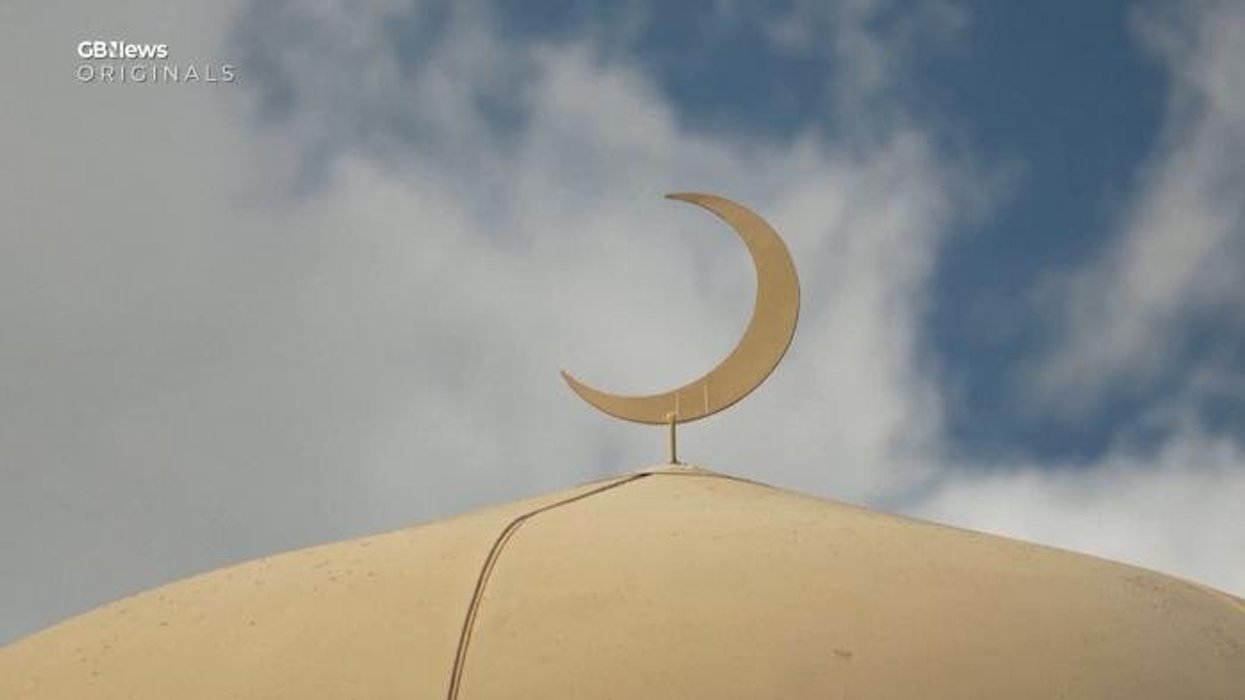
The mosque behind the three-day ijtema in Barham, the Markazi Masjid in the Savile Town area of Dewsbury, is one of the largest mosques in Europe and the European headquarters of the Tablighi Jamaat – an ultra-conservative Sunni Islamic missionary movement which has proselytisation (Dawat-o-Tableegh) as one of its ‘six principles’.
The mosque has a chequered history. Two of the 7/7 London suicide bombers (Mohammed Siddique Khan and Shehzad Tanweer) were linked to the place of worship, as well as it being home to a school that Ofsted reprimanded in 2021 after a book calling for the punishments of homosexuals was discovered in its library. The mosque has previously denied that it played a role in the radicalisation of Khan and Tanweer.
Britain is a land of considerable religious freedoms – in fact, previous studies have shown it is one of the main drivers of patriotic sentiments among British Muslims.
Faith itself can be a powerful force for good in British civil society, being a rich source of wisdom, self-discipline, and hope. A well-organised ijtema can be an uplifting experience in terms of being an intellectually stimulating event and providing a wholesome sense of belonging.
And of course, there is a temptation to hold large-scale events at rural estates – after all, nothing quite beats the beauty of the English countryside in my home region of eastern England.
But these freedoms are not to be exploited, and religious institutions should take into account the concerns of others when it comes to their large-scale gatherings.
Residents in Barham have a right to raise questions over the practical suitability of Shrubland Park for an event of this nature, as well as the potentially negative impact it may have on public infrastructure and local businesses as a result of the much higher flows of people.
A high-capacity venue in one of the major urban metropolitan centres would have been a more sensible choice for the three-day Ijtema – not an estate in rural Suffolk.