




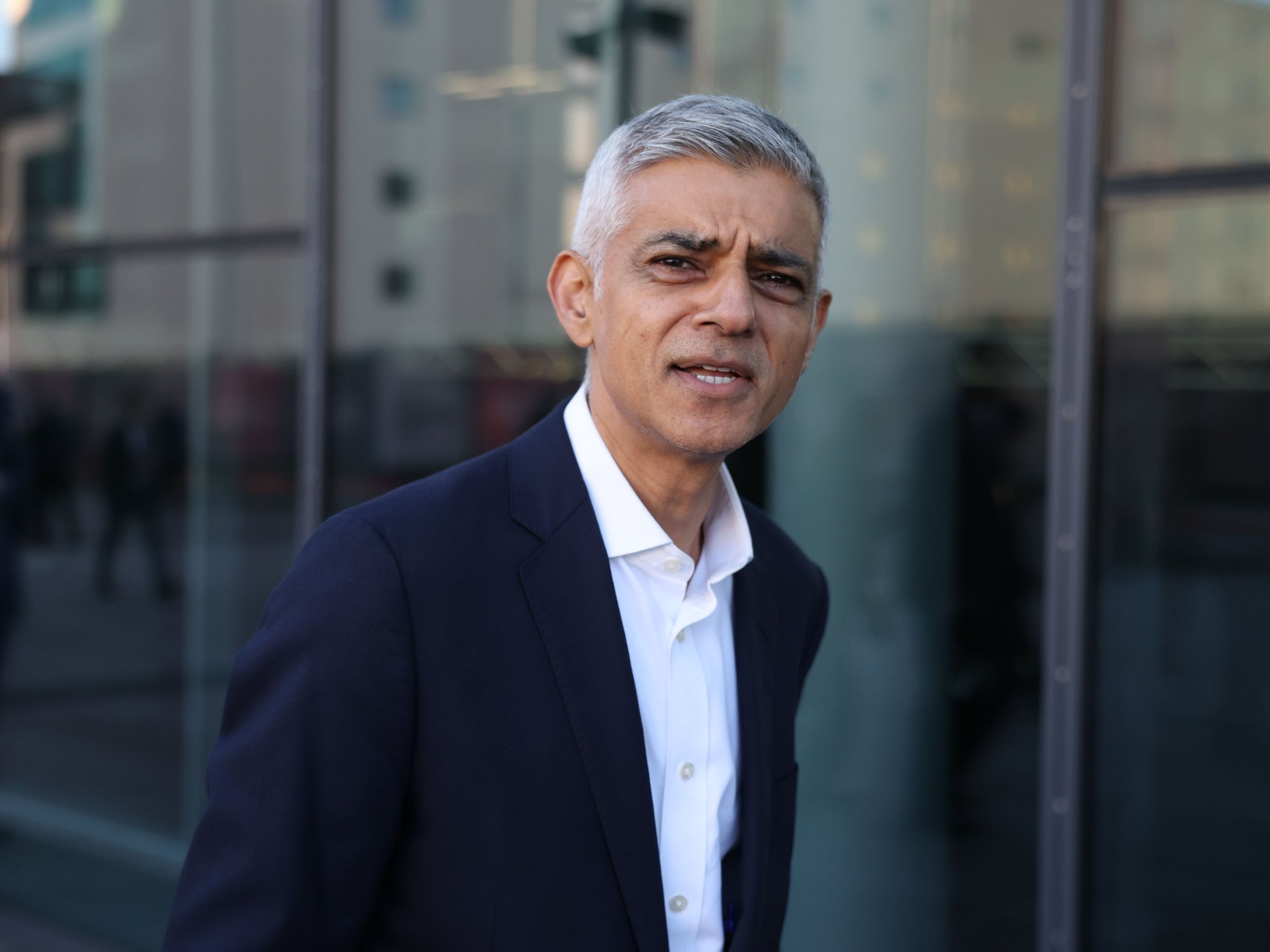





The results are rolling in, and the picture forming across the electoral map of England, Scotland and Wales is both vivid and merciless.
Call it what you will, earthquake, realignment, historic shift, but the blunter truth is simpler: the political class is being told, in the clearest possible terms, to get out of the way.
Reform has taken control of Newcastle-under-Lyme and Havering. Let that land for a moment. Havering, east London, solidly working class, the kind of place Westminster consultants used to dismiss as safely tribal.
Newcastle-under-Lyme, a seat that has returned Labour MPs and Tory town halls since the earth cooled. Gone. Both are now flying turquoise.
In Wigan, a former mining community Labour has controlled for more than fifty years, the party lost every one of the twenty seats it was defending, all of them to Reform. Every. Single. One. In Hartlepool and Tameside, Labour has lost overall control.
These results flatter Labour as in most cases the councils are only electing a third of councillors, meaning that despite Reform clean sweeps Labour retain control or at worst the result is no overall control.
In Salford, Rebecca Long-Bailey called the results "soul-destroying." One hopes she means it.
This is what the turquoise tide looks like in practice. Not a protest. Not a wobble. A rout.
By mid-morning, Labour had already lost control of eight local councils out of the 41 that had declared, shedding more than 250 seats in total. And the county councils haven't even declared yet. Friday morning promises to be grimmer still.
Now, the caveats, and there are some. Reform are not sweeping the board uniformly. In London, their vote is averaging around 13 per cent in the seats counted so far.
Outside the capital, that figure leaps to 34 per cent. This is not a surprise to anyone who has been paying attention. London is a different country: younger, more transient, more cosmopolitan, with significant levels of first and second-generation migrant voters, and a political culture that has effectively inoculated itself against the Reform message.
The inner urban cores and highly educated university towns are the two environments where the Reform brand has consistently struggled to travel.Here, the Tories are pushing back in Westminster and elsewhere.
But here is the point that the metropolitan commentariat will miss as they comfort themselves with the London numbers: England is not London.
The places turning turquoise—the old industrial towns, the post-mining communities, and the market towns of Essex and Norfolk- are the places that elect governments. These are the places Starmer needs. And they are walking out on him en masse.
Nigel Farage declared the results were "exceeding anything I thought" and called it "an historic change in British politics".
For once, the hyperbole is arguably underselling it.
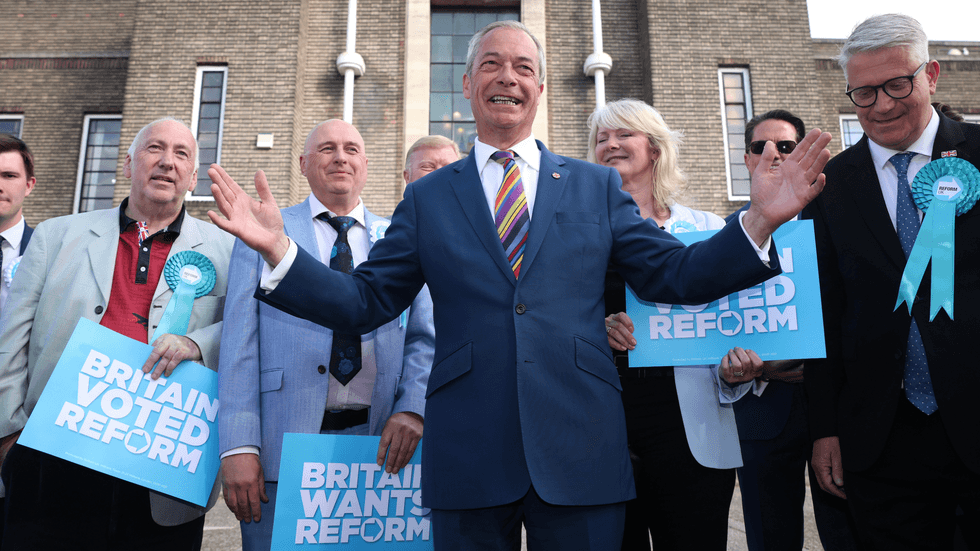
The turquoise tide is very real - and it's coming for everyone in Britain - Gawain Towler
|Getty Images
As for Keir Starmer, Labour MPs have already indicated that if the party performs poorly in Scotland, loses power in Wales, and fails to hold its council seats in England, Starmer will face renewed pressure to quit or set out a timetable for departure.
The writing is not on the wall. It is carved into the wall, in letters twelve feet high.
But do not imagine Kemi Badenoch is standing comfortably in the ruins. The Conservatives are heading into this count polling significantly worse than in 2022 and marginally worse than in 2024, with most of their losses going directly to Reform. She is not the beneficiary of Labour's collapse. She is part of its furniture.
Sir John Curtice observed that "none of the parties are very big now" and that the fracturing of British politics is being underlined by these results.
Five parties separated by a handful of percentage points, and yet the First Past the Post system is turning Reform's broad national vote share into a decisive local dominance across swathes of working England.
The turquoise tide is real, it is structural, and it is only going to rise.