

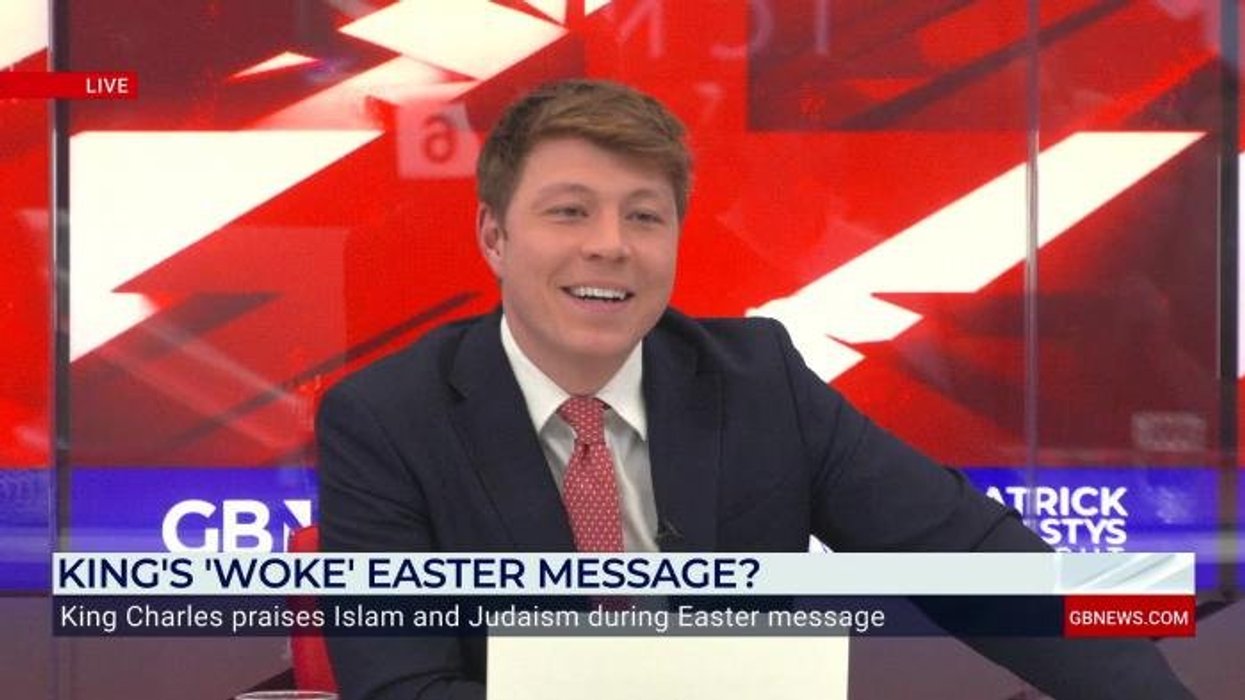








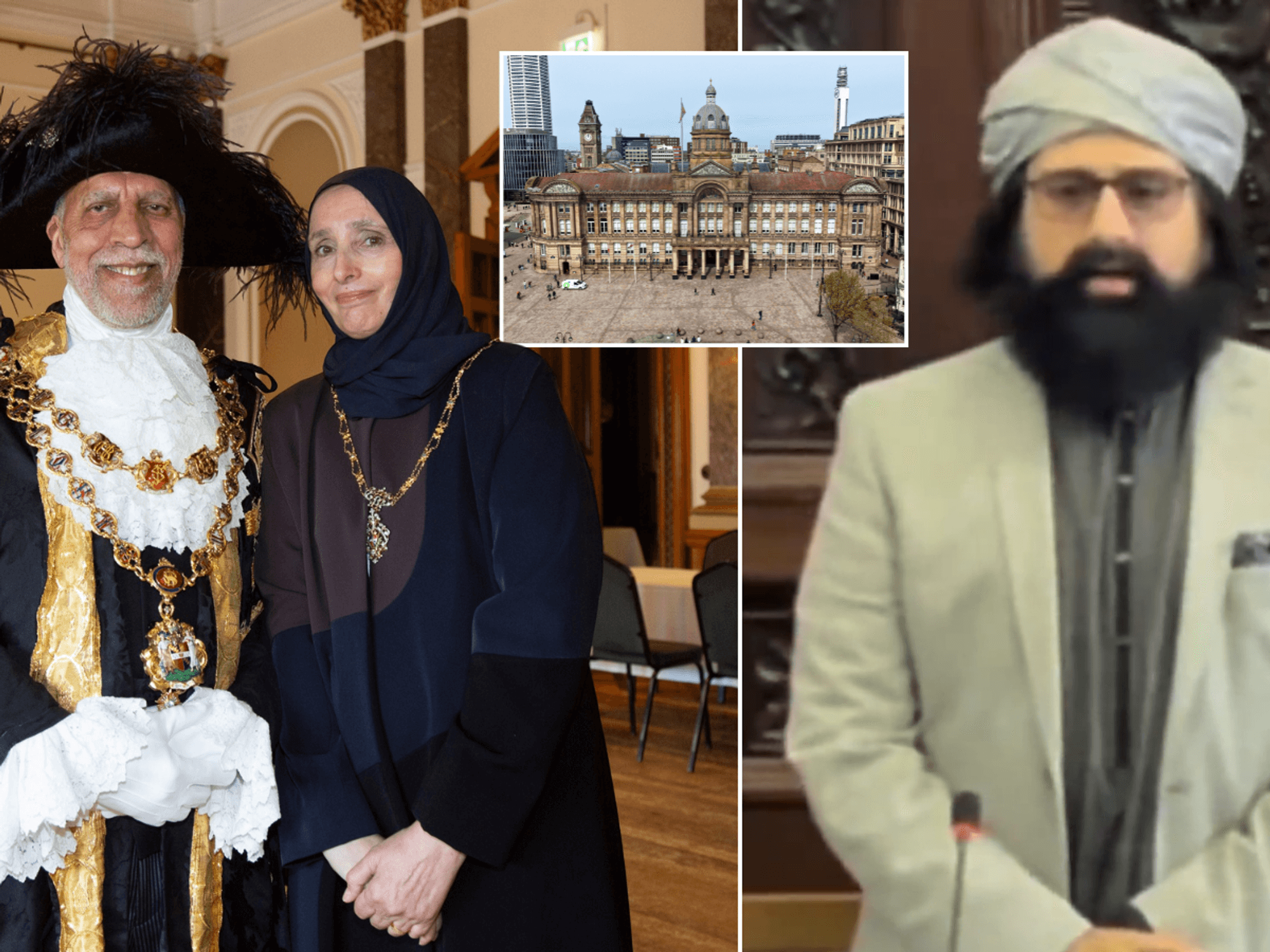
It would have been highly desirable for the King to have issued an Easter message this year. As Supreme Governor of the Church of England and Defender of the Faith, public expectation would have been well-served.
Such a message would have offered a timely affirmation of the established religion at its most important festival and helped offset mounting criticism that the King’s interfaith initiatives show greater warmth toward other faiths than toward Christianity itself.
To his great credit, His Majesty is demonstrating welcome resolve by proceeding with the State Visit to Washington DC later this month, offsetting the Transatlantic diplomatic catastrophe created by Keir Starmer. Yet the decision to forgo an Easter message is still a missed opportunity.
The Palace has been clear that an Easter message is not an annual custom on the scale of the Christmas broadcast. Queen Elizabeth II delivered only one in her long reign — an audio message recorded at Windsor on 11 April 2020 at the height of the coronavirus pandemic.
It was a one-off response to a national emergency, not the launch of a new practice. In normal years, she observed Easter privately at St George’s Chapel and carried out her Maundy duties without issuing a public statement.
King Charles has largely followed the same approach. He released a Maundy Thursday message in 2025 that referenced Jesus before extending the theme to Jewish and Islamic traditions.
Critics have sharply noted the contrast with other royal communications. Earlier in the year, the official royal account posted a prominent “Ramadan Mubarak” greeting precisely during the Lenten period, the traditional Christian day of preparation before Lent.
The message extended warm wishes to Muslims across Britain, the Commonwealth and beyond. No similarly prominent message marked the start of the Christian penitential season.
The King has also been photographed preparing food for Ramadan and has offered notably warm public greetings for Eid. These acts of courtesy are not in themselves objectionable. The problem lies in proportion and emphasis.
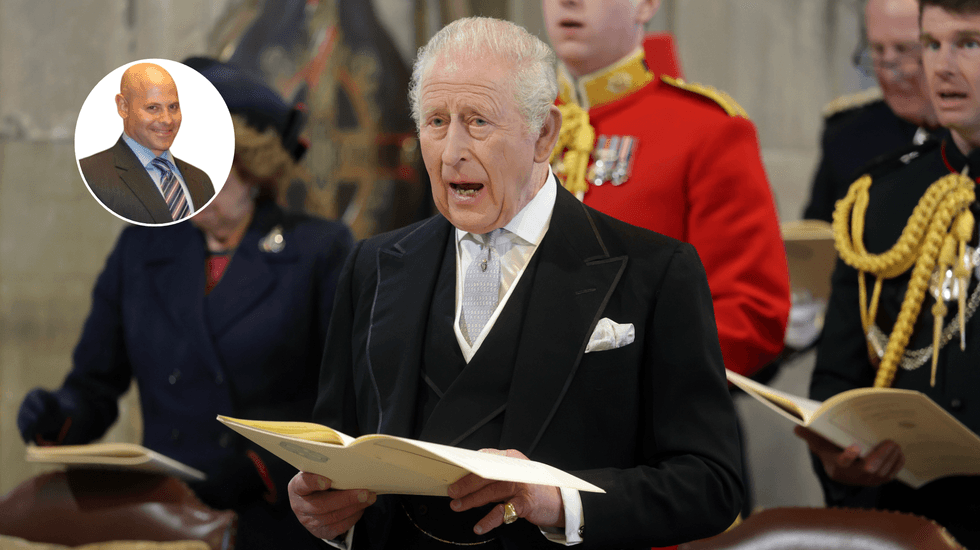
A steadfast Easter message from the King would have been highly desirable in sectarian Britain - Lee Cohen
|Getty Images
For his part, Bishop Ceirion H Dewar has voiced the concern with clarity. In an open letter that has attracted thousands of signatures, the bishop reminded the King of his coronation oath to maintain and defend the Protestant Reformed religion.
He highlighted a noticeable asymmetry: royal messages for Christian occasions frequently include references to other faiths, while addresses for Muslim, Jewish or Sikh festivals rarely extend the same courtesy in reverse.
Britain remains a constitutionally Christian nation with an established Church whose relationship with the Crown stretches back over a thousand years.
The bishop was careful to state that he was not criticising other religions. He welcomed the King’s patronage of the Community Security Trust. His point was constitutional: the monarch has a specific duty to the faith he swore to protect.
This pattern contributes to a wider impression that Christianity is being quietly downgraded in public life while other communities receive enthusiastic recognition.
Government moves, such as the proposed anti-Muslim hostility tsar, reinforce the sense of uneven treatment. There have been instances of churches accommodating Islamic prayers; the reverse is far less common. In this environment, the King’s messaging carries particular weight.
The monarchy’s authority has always rested on its embodiment of national continuity and its historic ties to Britain’s Christian inheritance.
When that inheritance appears softened in favour of a diffuse interfaith approach, public confidence frays. The decision not to issue an Easter message this year, coming after the prominent Ramadan greeting on a Christian calendar day, will do little to reassure those who worry the ancient covenant between Crown and Church is being quietly renegotiated.
Queen Elizabeth maintained a confident, understated Christian voice in her public addresses. She did not feel the need to balance every Christian reference with equivalents from other traditions.
Her son’s style reflects a different instinct, more aligned with the prevailing sensibility of the governing class. This carries risks.
The monarchy’s legitimacy is not abstract. It is rooted in specific history and institutions. When thousands of citizens, including senior clergy, feel compelled to petition the King to remember his oath, that foundation is under strain.
The monarchy cannot serve every constituency equally without losing its distinctive character. For the Supreme Governor, the faith he is sworn to defend deserves the same public prominence he willingly grants to others. Easter 2026 presented a straightforward occasion to demonstrate that commitment. The opportunity was not taken.
To the King’s credit, he is showing firmness where it matters on the international stage by holding to the planned State Visit to Washington later this month despite the evident diplomatic sensitivities and domestic pressure to reconsider. Such resolve is commendable.
Yet at home, on the symbolic terrain of the established faith, a similar steadiness could silence some of his mounting critics.
The monarchy exists to stand above passing political fashion. In an era when Britain’s Christian heritage is treated with indifference by much of the progressive establishment, the Crown’s role as its anchor is more important, not less. A prominent Easter message would have been most welcome.