

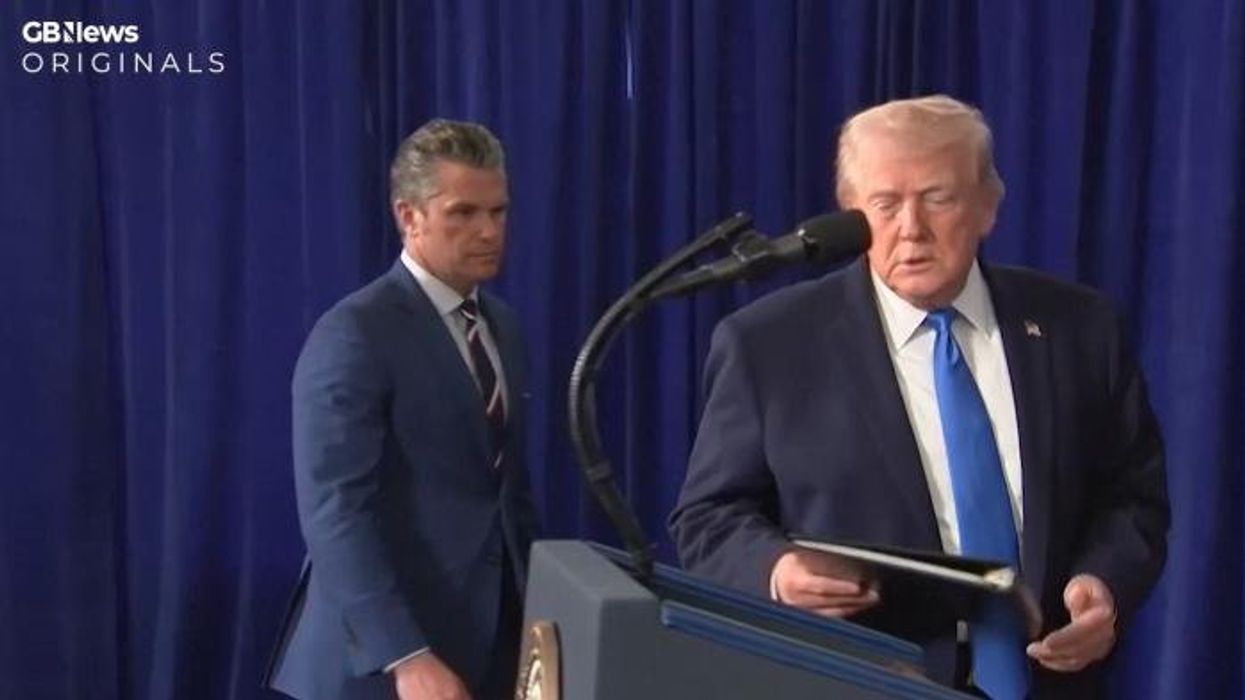





Britain is being destroyed in real time, while under Trump, America rises to its pinnacle. The Transatlantic contrast could not be more stark.
Trump does not apologise. Trump does not flinch. Trump acts — decisively, unapologetically, and in the national interest. As 2026 begins, the contrast between his America and Keir Starmer’s Britain could not be more damning.
While Washington grooms power, asserts leverage, and pursues hemisphere dominance with relentless clarity, Starmer’s Labour government busies itself with surrender, self-flagellation, and the slow dismantling of Britain’s sovereignty.
One side projects strength, ambition, and influence. The other treats its own nation as a liability, to be apologised for, diluted, and managed.
Across the Western Hemisphere, Trump has made plain that American resources, influence, and strategic chokepoints are non-negotiable.
After removing Venezuela’s narcoterrorist-in-chief, its oil is to be redirected towards Western markets under United States oversight, while Greenland is increasingly framed in Washington as a critical strategic asset for American and NATO defence.
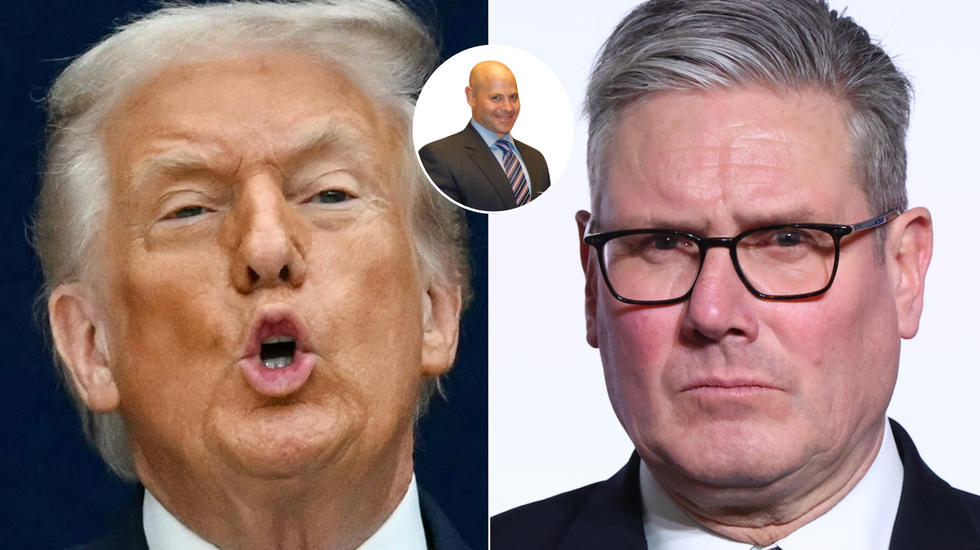
Keir Starmer on chopping block as America First and Britain Last locked in transatlantic clash - Lee Cohen
|Getty Images
Power vacuums invite adversaries, and deterrence is enforced rather than merely affirmed. Trump is gunning for hemispheric dominance with the confidence of a nation that refuses to compromise its interests — and that clarity projects strength to allies and fear to rivals alike.
Meanwhile, Britain under Starmer is gunning for precisely the opposite. On 5 January 2026, the House of Lords inflicted four humiliating defeats on the government’s Chagos Archipelago (Legal Status) Bill, forcing ministers to accept amendments requiring renegotiation of the October 2024 treaty with Mauritius.
That agreement transfers sovereignty while committing Britain to long-term financial liabilities that critics estimate could run into the tens of billions of pounds over the 99-year lease term.
It also introduces fresh uncertainty over the future of the Diego Garcia joint base — one of the most strategically important military facilities in the world.
Starmer’s administration negotiated the deal in secrecy, bypassing consultation with former defence secretaries, senior military officers, or the exiled Chagossian community.
Ministers dismissed warnings that the handover jeopardises operational security and invites third-party interference. Where Trump asserts, Starmer retreats; where Trump strengthens, Starmer weakens.
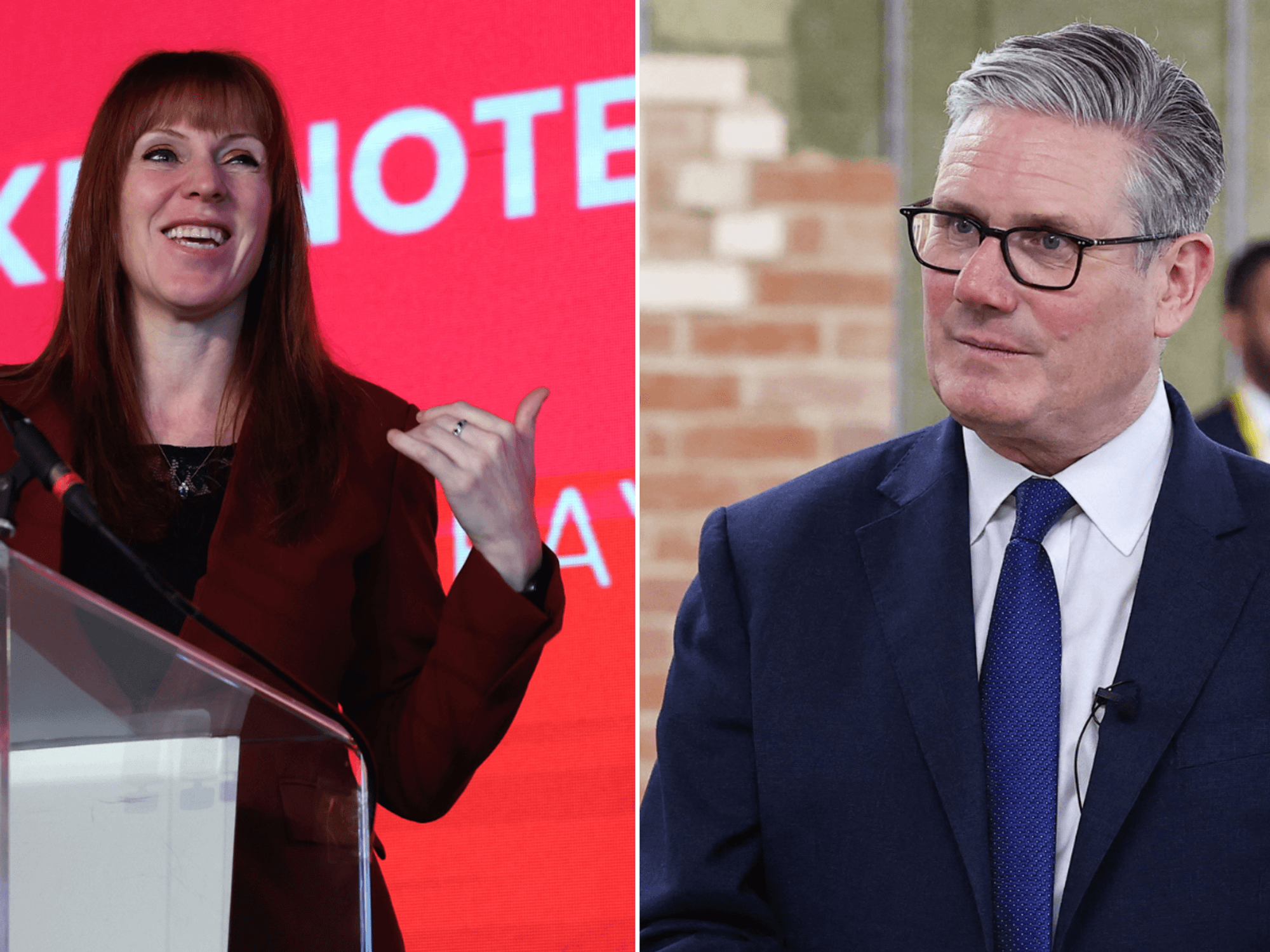
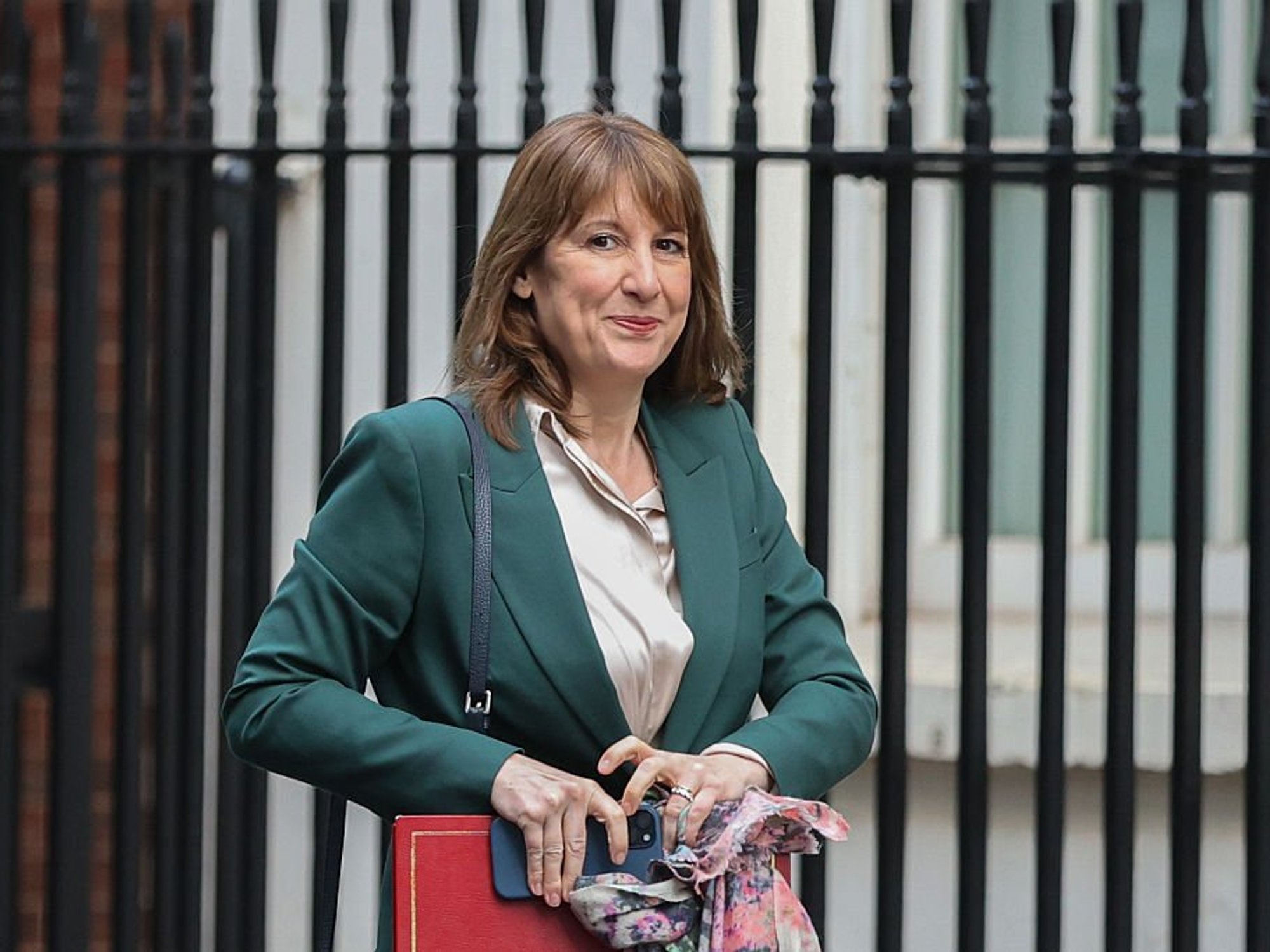
At home, Labour’s hostility to British institutions is equally stark. Chancellor Rachel Reeves has confirmed the termination of Covid-era business rates relief from April 2026, refusing targeted support even though Starmer himself has acknowledged that thousands of pubs and hospitality venues will struggle — and that many face closure — under the combined pressures of higher national insurance contributions, energy costs, and rising rates.
Landlords in multiple constituencies have barred Labour MPs and councillors from their premises in protest; Reeves herself has been declared *persona non grata* at a local venue in her Leeds constituency.
Some recent opinion polling has placed Labour as low as 17–18 per cent nationally, trailing both Reform UK and the Conservatives — a historic low for a Government barely eighteen months into office.
This is not a series of accidental missteps. It is a governing philosophy structurally averse to retaining national leverage.
The Chagos surrender, defended as overdue compliance with international advisory rulings, amounts to financial tribute and diminished operational control. Reeves’s fiscal rigidity prioritises abstract budgetary targets over institutions that anchor community life across Britain.
When challenged, Starmer has warned publicly that his removal would precipitate “utter chaos” and the election of a far-right government — tacitly acknowledging his own vulnerability while offering no corrective programme beyond continued tenure.
Sovereignty is treated as an encumbrance, hard assets as negotiable liabilities, and deterrence as optional.
Geopolitically, the divergence could not be more severe. Trump enforces his national interests with clarity; Britain voluntarily relinquishes strategic leverage at the very moment Indo-Pacific and global instability demand sustained power projection.
Energy policy remains constrained by ideological net-zero targets, deterring domestic investment and weakening resilience. Border enforcement continues to be inadequate in scale and seriousness. Defence expenditure falls short of pledged levels while ministers reassure themselves with rhetoric about values and partnerships.
The Special Relationship functions as a genuine force multiplier only when Britain contributes independent capability — Starmer’s serial concessions risk reducing the United Kingdom to a supplicant whose preferences are safely ignored in American planning.
Sovereignty is concrete. It is preserved through sustained investment, credible deterrence, and the political will to exercise power when required.
Starmer’s chosen course guarantees the progressive diminution of Britain’s global standing, operational reach, and domestic cohesion.
Alignment with renewed American assertiveness offers the only realistic mechanism to extend Britain’s shrinking leverage.
Continued unilateral retreat ensures irrelevance, dependence, and eventual exclusion from the decisions that shape the international order.
The choice confronting the country is stark. One side grooms power, asserts interests, and secures influence.
The other grooms retreat, apologises for its nationhood, and trades away sovereignty for moral optics. Strength or submission. Leverage or loss. Renewal or managed decline.
Britain can still act as a sovereign nation — but only if it rejects a governing class that mistakes retreat for virtue, and apology for leadership.
More From GB News