





The facts speak for themselves. In America today, Britain has gone from an essential trusted partner to a security liability under Keir Starmer’s leadership.
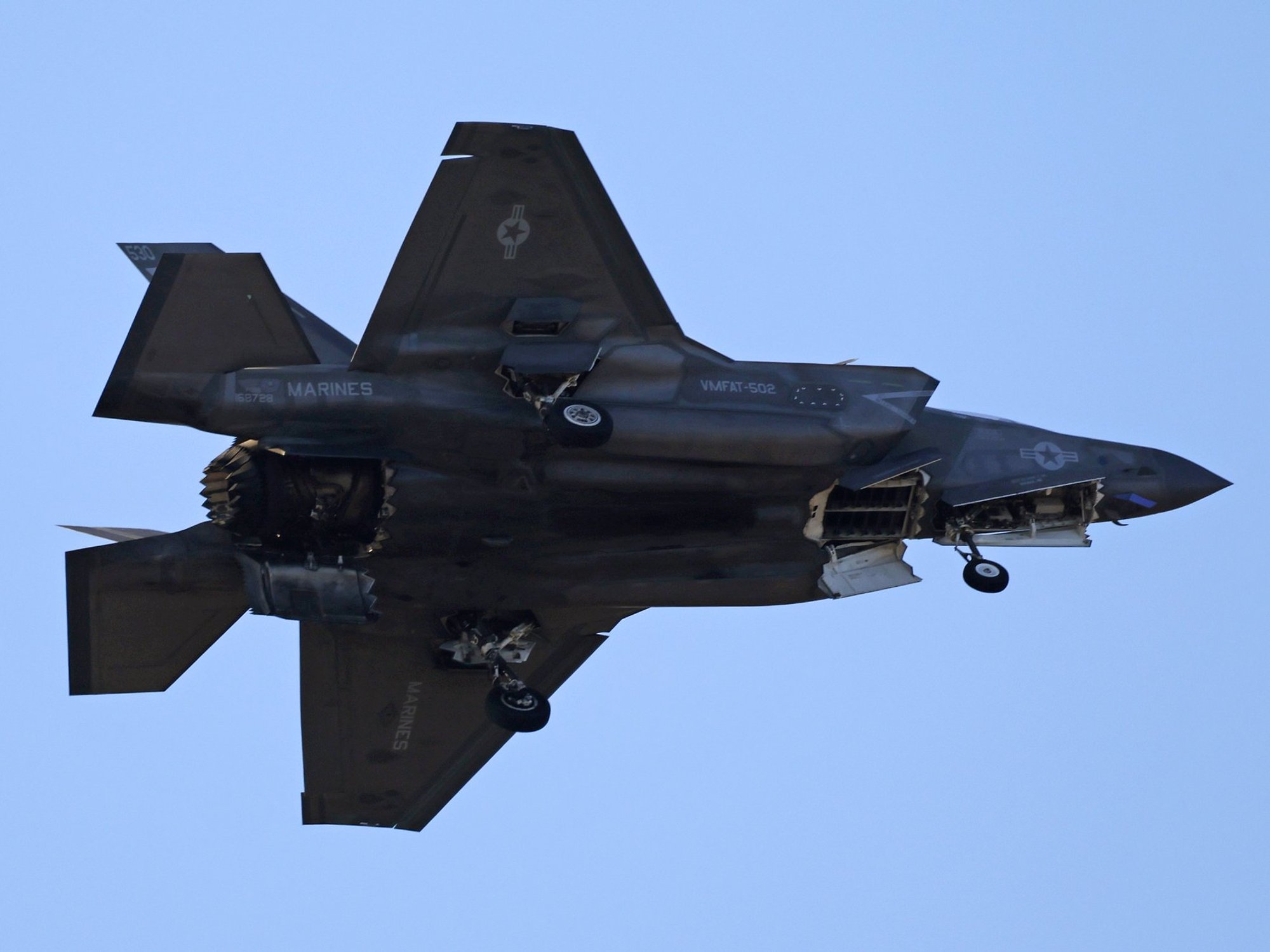
On 21–22 June 2025, the United States launched air and sea strikes against three Iranian nuclear facilities — Fordow, Natanz, and Isfahan — deploying B-2 stealth bombers armed with massive ordnance penetrators alongside Tomahawk cruise missiles launched from submarines.
The operation degraded enrichment infrastructure, sealed tunnel access points, and set back Tehran’s programme by months and potentially longer, according to early US defence assessments.
On 3 January 2026, American special forces, supported by overwhelming U.S. air power and layered airborne support, executed a raid in Caracas.
They breached Nicolás Maduro’s fortified compound and extracted him and his wife for transfer to New York, where they now face long-standing narcotics charges.
Britain received no advance consultation in either case. Sir Keir Starmer has stated publicly that the United Kingdom had no involvement whatsoever in the Venezuela operation and was not part of the Iran strikes.
While the United States coordinated closely with regional partners in the Middle East ahead of the Iran operation, Britain was not consulted in advance in either instance.
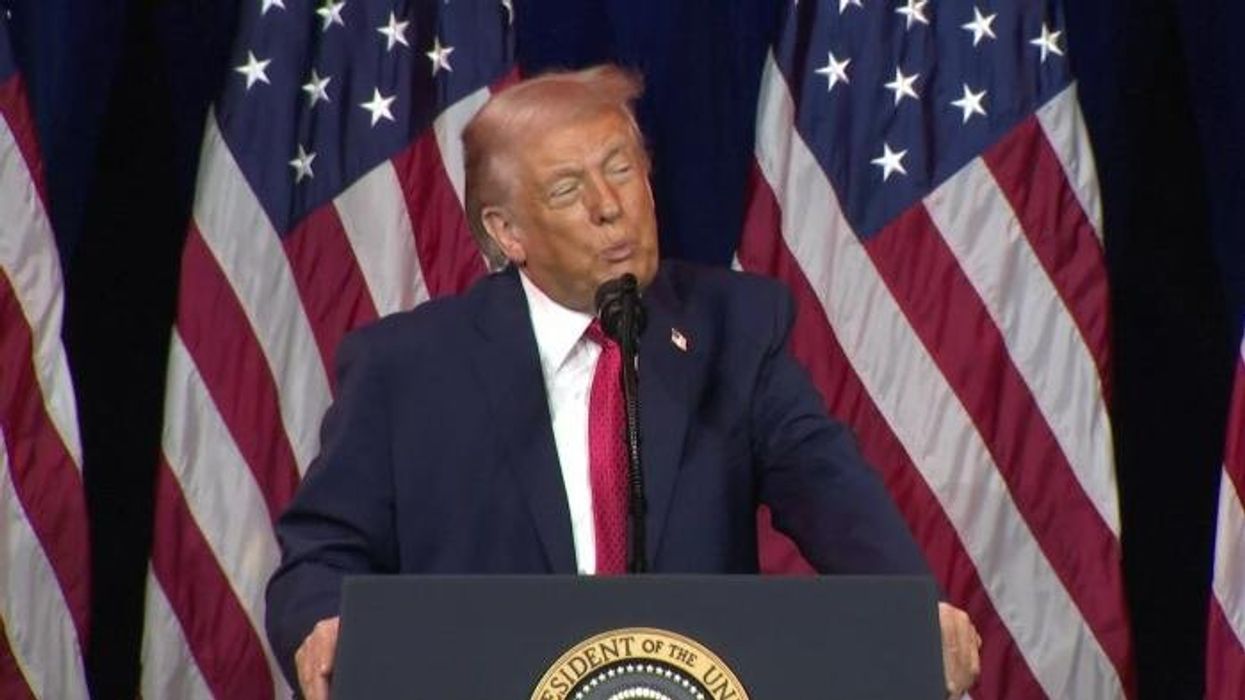
This exclusion was not accidental. It reflects a clear judgement in Washington. The Trump administration has acted on the apparent assumption that Starmer’s government cannot be relied upon for unreserved alignment or airtight operational security in high-risk operations.
Public rhetoric continues to invoke the “Special Relationship”, but when it comes to intelligence sensitivity and decisive military action, Britain has been sidelined.
That outcome is not mysterious. It flows directly from the strategic choices made by Starmer’s government. Labour has prioritised a comprehensive “reset” with the European Union, encompassing regulatory alignment and exploratory defence cooperation.
Talks over potential participation in EU programmes — though stalled over funding and governance — nonetheless signalled a willingness to embed British capabilities within frameworks Washington regards as tangential, if not divergent, from its own strategic priorities.
 It's no accident Keir Starmer is frozen out of Donald Trump's bombing campaign - it's by design - Lee Cohen |
 Getty Images
Foreign Secretary David Lammy has dressed this approach up as “progressive realism”: a doctrine intended to smooth transatlantic frictions through multilateralism and consensus-building.
In practice, it has delivered neither influence nor inclusion. Britain remains absent from the most sensitive decision-making loops.
Defence policy reinforces the impression of caution. The Government has committed to raising defence spending to 2.5 per cent of GDP by 2027, with aspirational language about going further in the longer term.
While this nominally satisfies NATO benchmarks, it does so at a measured pace that defers the immediate reinforcements demanded by mounting threats in Europe and the Indo-Pacific. AUKUS commitments endure, but their tempo reflects fiscal constraint and political hesitation rather than strategic urgency.
Institutional decisions point in the same direction. In May 2025, the Government agreed to cede sovereignty over the Chagos Archipelago to Mauritius while securing a long-term lease for the Diego Garcia base.
The deal — still mired in parliamentary resistance and awaiting full ratification — prioritised diplomatic resolution and international legal optics over uninterrupted sovereign control of a critical strategic asset in the Indian Ocean.
On Ukraine, Starmer has pledged substantial support and outlined plans with France for post-ceasefire military hubs and protected logistics facilities.
These proposals, however, remain contingent on parliamentary approval and are calibrated carefully to avoid escalation or domestic political friction. They are frameworks rather than force.
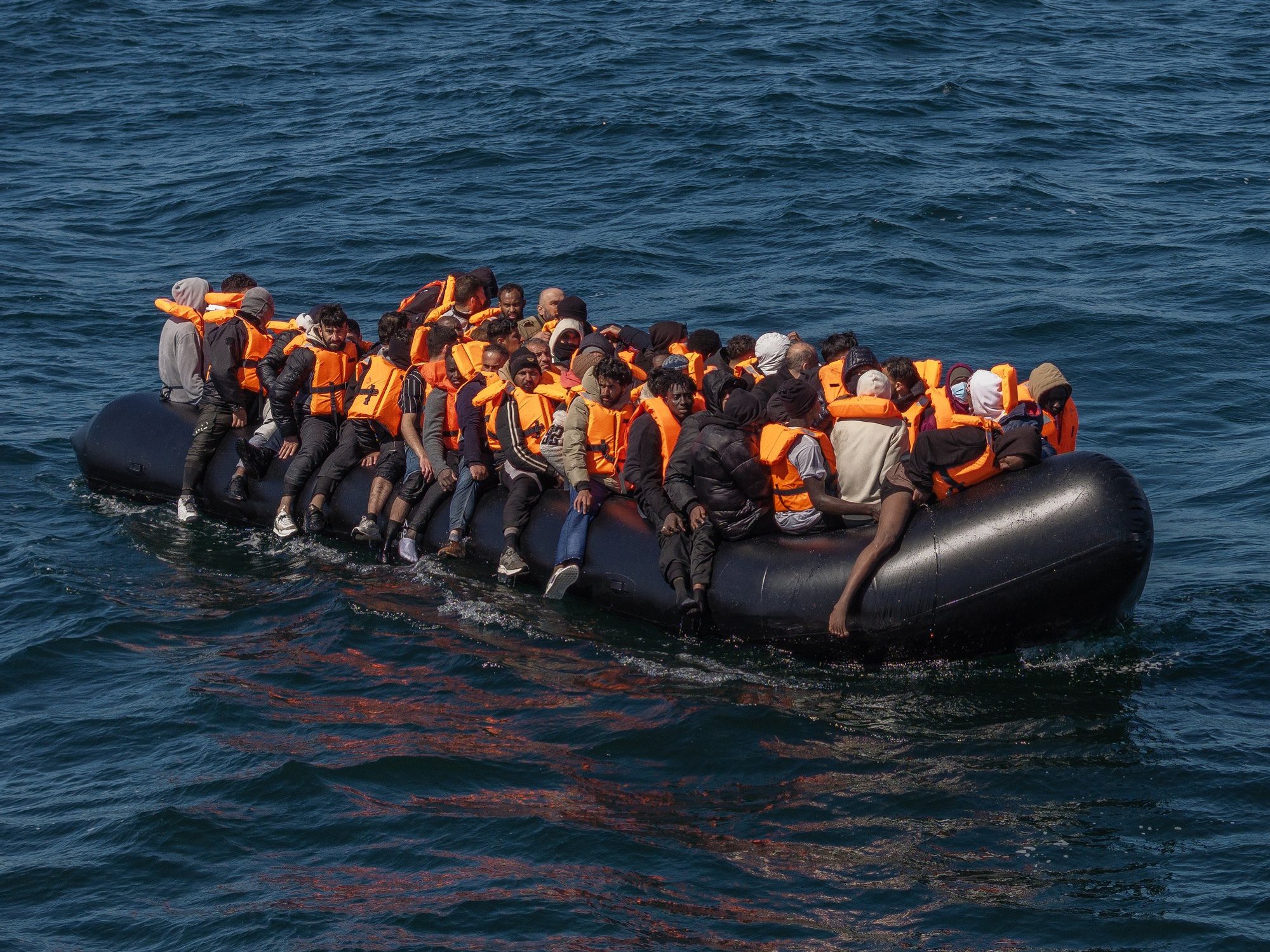
Migration and border policy offers another illustration. Ministers have promised tougher asylum controls and moves to constrain the European Convention on Human Rights where it obstructs deportations. Yet execution has lagged, leaving vulnerabilities unaddressed and deterrence diluted.
Labour presents this record as responsible stewardship in a constrained fiscal environment. In truth, it reflects a governing philosophy that favours negotiated multilateralism and ethical signalling over the unapologetic exercise of power.
Net zero targets, enforced to inflexible timelines, restrict domestic energy autonomy even as adversaries expand capacity unconstrained by comparable self-denial.
Fiscal rules permit incremental investment while hard-coding a caution that postpones the comprehensive rearmament required for credible independent capability.
The geopolitical consequences are cumulative. The United States acts decisively when it judges action necessary, informing only those allies it deems fully reliable.
Britain, bound by European-oriented diplomacy, lingering legal entanglements and an ideological preference for restraint, risks progressive marginalisation.
In the Indo-Pacific, AUKUS still matters, but hesitation blunts its effect. In Europe, phased commitments fall short of the posture required to shape outcomes rather than merely respond to them.
The Special Relationship multiplies power only when both sides contribute resolve as well as rhetoric. An ally hampered by divided loyalties or institutional inertia ceases to be an asset and becomes, in moments of crisis, a potential encumbrance.
Britain now faces a stark choice. Continue along the present path of ideological management and calibrated retreat, and accept secondary status within the alliances that underpin national security and global influence.
Or restore sovereignty, deterrence and competence as first principles of governance, and re-establish Britain as a partner trusted not merely to speak, but to act.
Trump’s foreign policy will not accommodate equivocation. Britain’s interests demand alignment with those prepared to exercise power when required.
The Crown and the realm endure through disciplined strength and clear-eyed order — not through the perpetual, woke accommodation of weakness.
More From GB News