




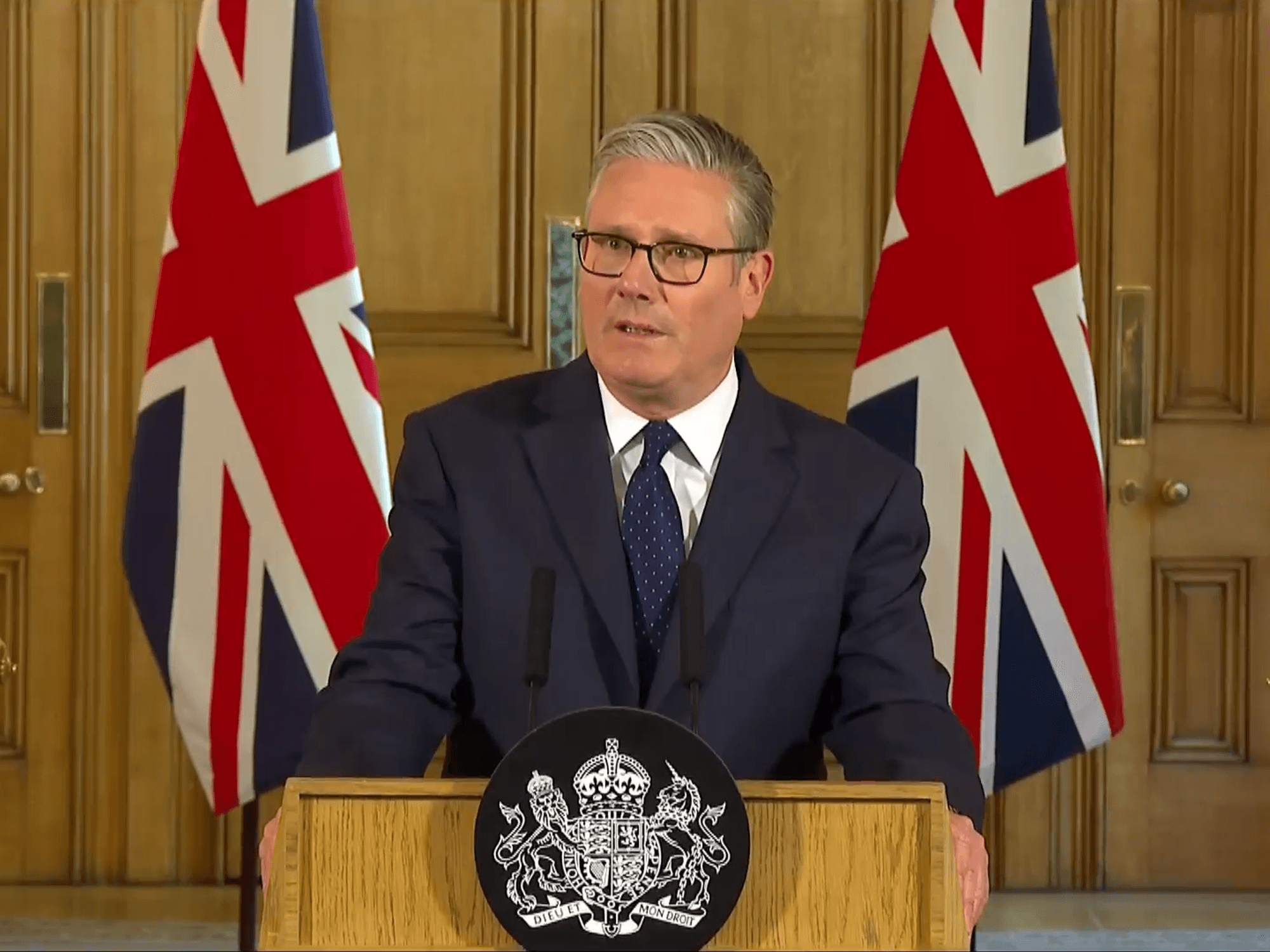
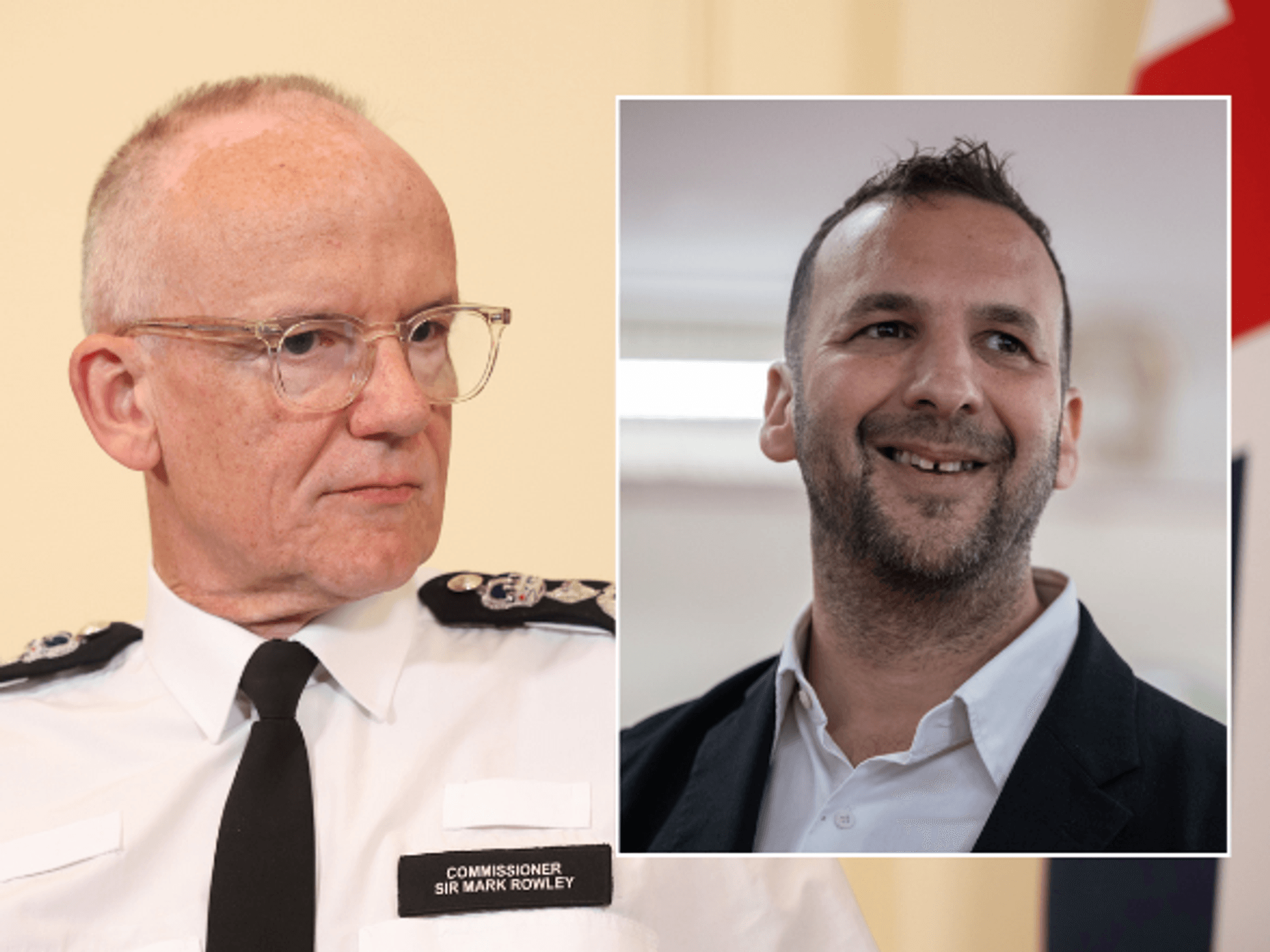
A Labour Prime Minister on his way out of No10. Potential successors jockeying for position. An appointments scandal. A major economic crisis is looming.
No, this is not 2026. It is, in fact, 1976.
For it was half a century ago, almost to the week, that Harold Wilson sailed off into the sunset, sparking a leadership election in his party and causing a stir with the inclusion among his resignation honours (the famous ‘lavender list’) of one or two dodgy names.
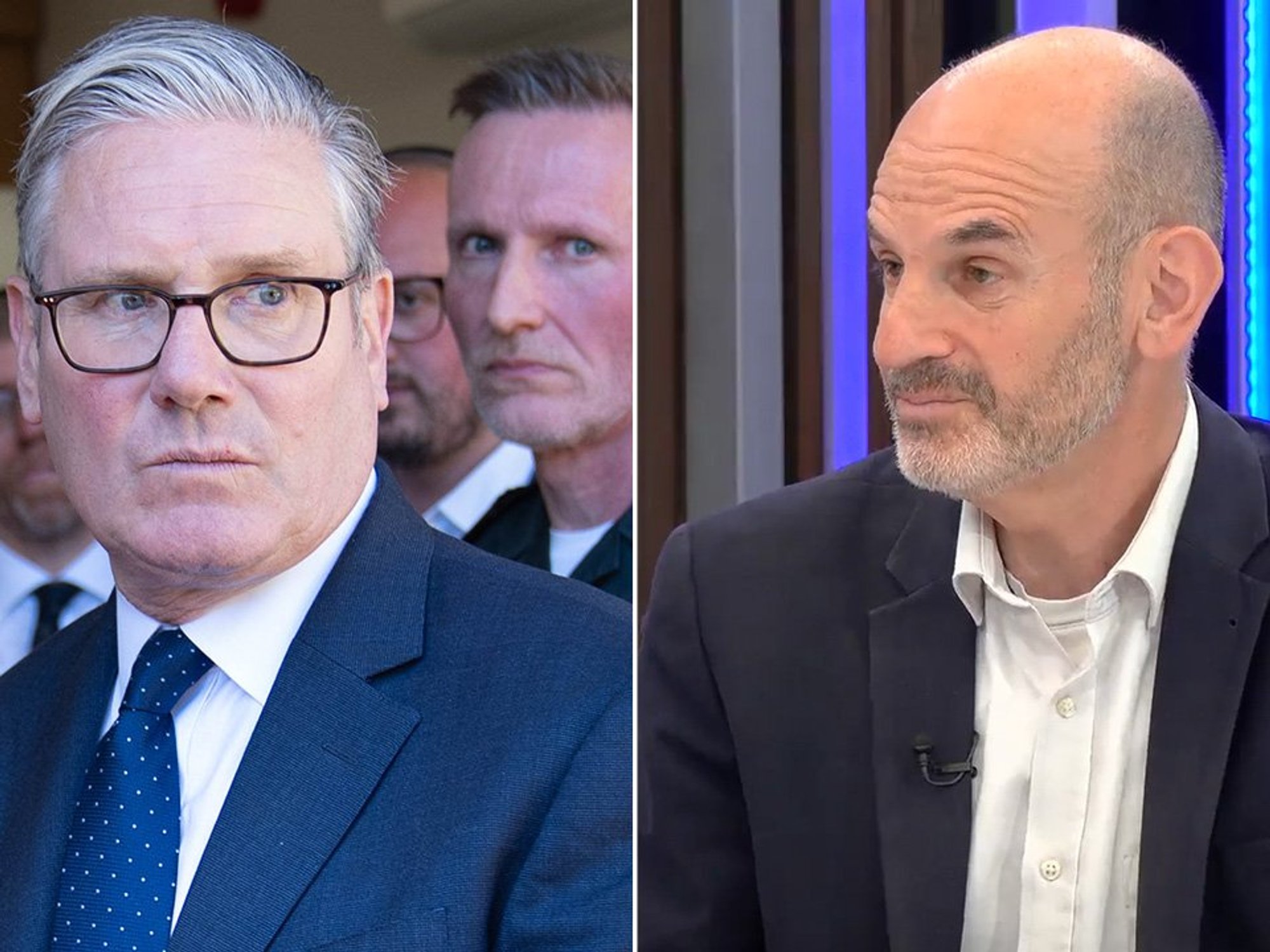
Our present-day PM, almost certainly on the last leg of his own premiership and embroiled in a controversy over one of his own high-profile appointments, could be forgiven for believing that history was repeating itself.
Not least because the impending economic catastrophe may wreak as much havoc as the IMF crisis did for the Labour government and the country back then.
However, just as Wilson departed before the worst of the storm broke, so Starmer is unlikely to be at the helm when it does so again this time around.
Wilson, of course, wasn’t pushed out of the door. In fact, his sudden resignation came as a complete shock to his party and the country. Starmer will almost certainly not enjoy such a luxury.
And that isn’t the only difference between then and now. Just consider the list of candidates in the election that followed Wilson’s departure.
Six names, all of them high-profile and conveying serious gravitas. Denis Healey. Tony Benn. Michael Foot. Jim Callaghan. Roy Jenkins. Anthony Crosland.
Agree with them or not, these contenders were political titans, men of ideas, principle and intellectual heft. None would have looked out of place heading up the Labour Party or country.
Neither would certain other big hitters who did not stand in the election, including the likes of Peter Shore, Barbara Castle and Shirley Williams.
Take Denis Healey, for example. A grammar school boy from Yorkshire, Healey achieved a double first in Classics at Oxford, served in the Second World War (including as Beachmaster at the Battle of Anzio), was mentioned in dispatches, demobbed as a Major, spoke several foreign languages, was a gifted amateur painter and pianist and all-round aficionado of the Arts, and rose to become Chancellor of the Exchequer.
I don’t wish to belittle today’s crop of MPs, most of whom work hard and went into politics for the right reasons. Neither do I want to pretend there weren’t any duffers in years gone by. But how many Denis Healeys are there in the Labour Party today?
For that matter, where are the Margaret Thatchers in today’s Tory Party? The Enoch Powells? The Keith Josephs? Surely anyone with even a passing interest in British politics cannot fail to notice the progressive and ongoing decline in the calibre, across all parties, of those who sit in the Commons.
 We are returning to 1976, although this time there are no leaders to steer us through |
 Getty Images
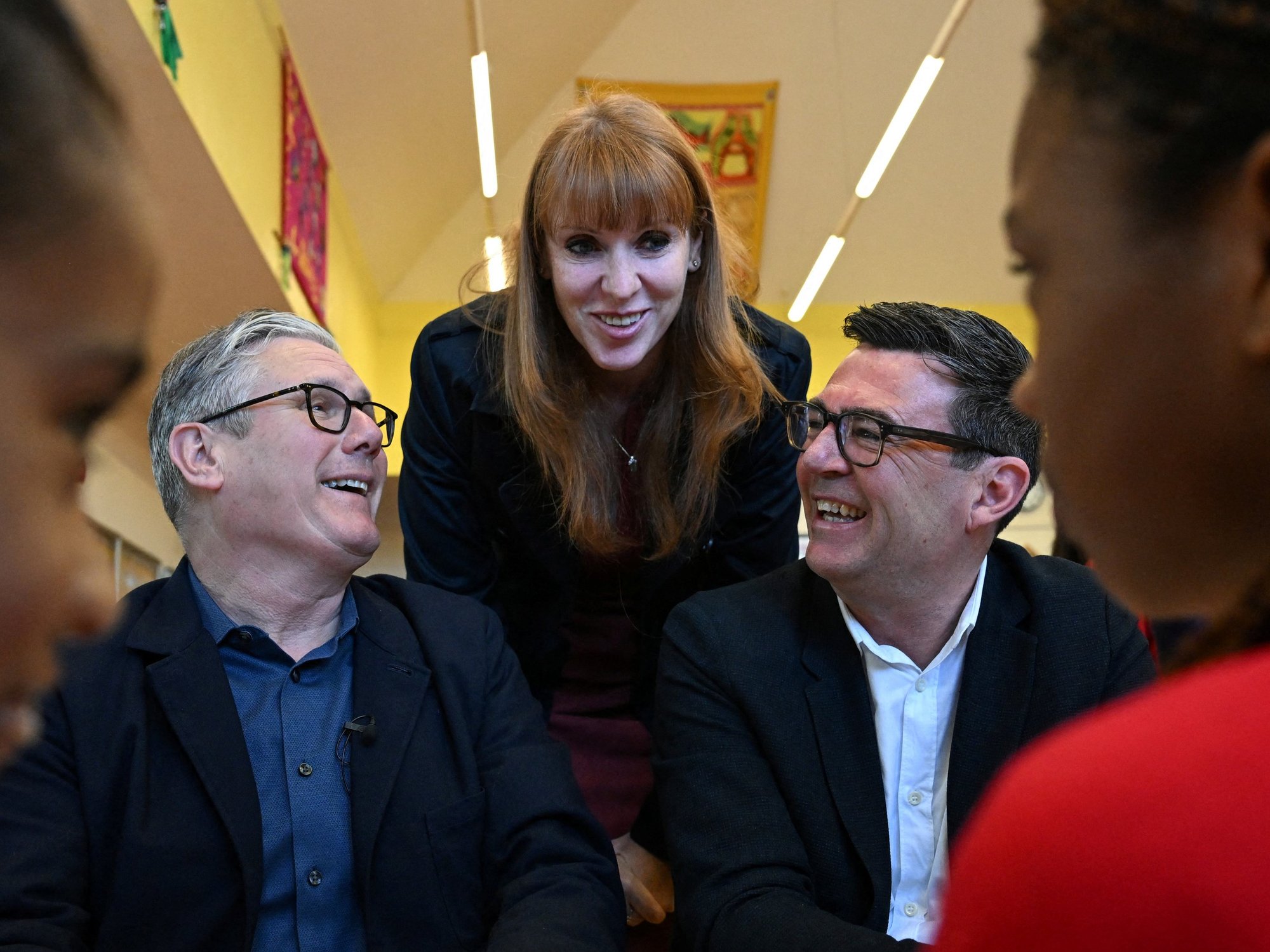
The 1976 Labour leadership candidates are all remembered 50 years on. How many of those who will challenge for the crown when Starmer is eventually turfed out will be able to boast the same? Rayner? Streeting? Lammy? Phillipson?
These people aren’t without ability or principle, but it isn’t easy to picture any of them as leader of the nation, and certainly not as household names in the year 2076.
Ed Miliband has brains, albeit they are directed mainly in the service of the crazy Net Zero cause. Shabana Mahmood has guts and a good understanding of working-class priorities.
And Andy Burnham - blocked by Starmer’s allies from returning to parliament and therefore not guaranteed to feature in any leadership contest - is relatable and shows the occasional flash of much-needed radicalism, rightly arguing, for example, that governments are too in hock to the bond markets.
But, again, which of them ultimately has what it takes to excite the electorate and fundamentally change our country for the better?
Labour’s leading lights of the past were deep and radical thinkers. They understood political theory and its capacity, harnessed with action, to reshape the economy and society.
They read Marx and Tawney, Keynes and Orwell. They wanted to change the system. Their counterparts today travel light when it comes to ideology and ideas and seem to want to do no more than tinker with a failing system, content to let “experts” and technocrats get on with managing its decline.
Tony Benn’s published diaries record that during the economic crisis of 1976, he and his fellow Cabinet members proposed an assortment of different and competing strategies to turn things around.
Cabinet meetings were cauldrons of discussion and debate over these proposals. What might Starmer or his successor’s Cabinet do when the economy tanks?
My guess is that, devoid of serious ideas of their own, they would simply defer to the same officials at the Treasury and Bank of England who helped to create the mess in the first place.
The sobering thought for all of us is that we are about to find out.