





The stark truth is that Keir Starmer is destroying the time-tested Special Relationship between Britain and America, an alliance that has survived disagreements, recessions, and changes of government on both sides of the Atlantic.
In my years as an advisor on the US-UK Relationship for the US Congress, I have never seen a more strained moment and less trust in Washington for Downing Street.
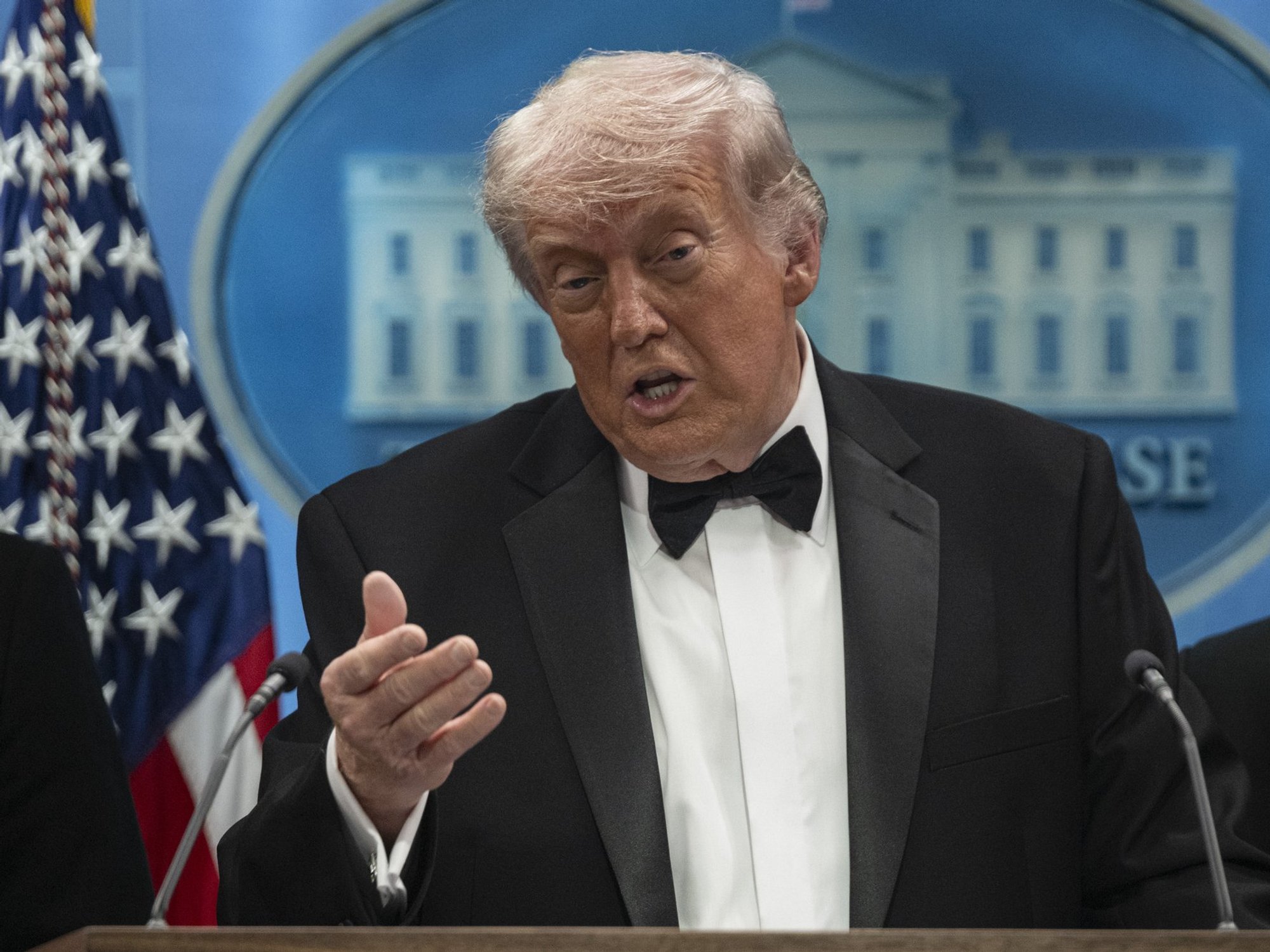
President Trump has declared himself “very disappointed” in Starmer — first for delaying, then limiting, American access to Diego Garcia during strikes that targeted Iran’s missile arsenal and leadership.
I’ll wager he’s not half as disappointed in Starmer as the people of the United Kingdom, who will never forgive the current Government for degrading the nation on so many fronts at home and abroad.
It is unfathomable that losing the trust of Britain’s most important ally serves the national interest. And yet, how can America trust Keir Starmer, given his robust track record of catastrophic judgment?
From Iran to Chagos, the migration crisis, the handling of grooming gangs, net zero lunacy, and the appointment of the disastrous Epstein-stained Peter Mandelson as US ambassador — the list seems endless.
It stems from either deplorable judgment or something closer to pathological self-harm.
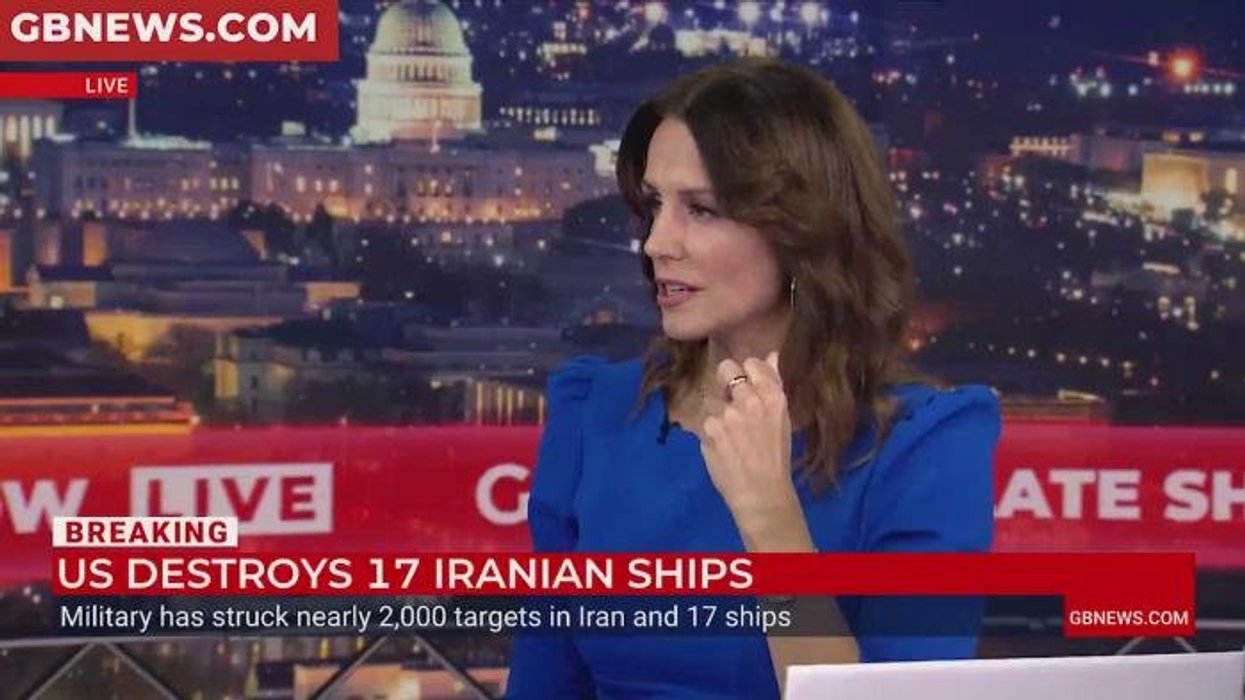
The Diego Garcia crisis captures the fracture perfectly. When the Pentagon sought access to a base positioned beyond Iranian missile range yet ideally suited for B-2 bombers, Downing Street hesitated, citing international law. The delay stretched days.
Only partial, “limited defensive” permission followed — never full offensive cooperation.
Trump called it unprecedented: Starmer “took far too long”, he told The Telegraph, sounding as if legality trumped the shared threat from a regime responsible for maiming British lives through proxies.
American resolve delivered air supremacy swiftly; British caution delivered only measured words.
The Chagos decision flows directly from the same mindset. Britain’s agreement to transfer sovereignty to Mauritius while leasing back the base for £35billion over 99 years was already contentious. Trump initially tolerated it, then condemned it outright as “a very woke thing” after the Diego Garcia episode.
He insisted Britain should have fought to keep ownership rather than cede ground.
 Kiboshing the special relationship was not in Labour's manifesto. Time to hit the kill switch - Lee Cohen |
 Getty Images
One instance of perceived unreliability poisoned support for another, turning a strategic linchpin into a diplomatic liability.
Mandelson’s appointment as ambassador seals the pattern. A figure steeped in scandal and in the progressive establishment’s instincts, his selection at this juncture signals to Washington a government more comfortable with transatlantic lectures on multilateral norms than with the blunt partnership the moment demands.
These are not isolated missteps. They are ideology dressed as prudence. Attorney General Richard Hermer’s influence is unmistakable: a conviction that post-war international treaties must override national discretion.
The result is paralysis — legal qualms that echo fears of past entanglements, constraining Britain while adversaries act without restraint.
US officials dismiss it plainly. Defence Secretary Pete Hegseth has scorned allies who engage in “handwringing” and “pearl-clutching” over the use of force. Britain’s response to a regime that has killed and mutilated its citizens — partial cooperation, rebukes of “regime change from the skies,” insistence on actions being “thought-through” — fits the caricature exactly.
Geopolitically, the cost compounds. The Special Relationship magnifies Britain and America’s reach: unmatched intelligence, technological edge, deterrence that secures borders, energy routes, and influence in Europe. It has no European opposite number for hard power.
Alignment with American decisiveness deters aggression and protects citizens—witness the near-evacuation of 94,000 from the Gulf during the crisis, or the Iranian drone that struck RAF Akrotiri shortly after Britain’s concession.
Detachment invites precisely the vulnerability progressive caution claims to avert. Even areas of relative success, such as intelligence sharing on Russian deceptions in Ukraine or quiet diplomatic channels, cannot compensate for the wider erosion of credibility.
The Special Relationship is resilient. It has outlasted profound disagreements before. But it cannot survive much more of Keir Starmer.
History will celebrate Trump as the man who reshuffled the international order and neutralised some of the globe’s worst actors.
Starmer’s will forever be remembered as the British leader who facilitated Britain’s agonising decline through repeated acts of self-inflicted weakness.
The British people deserve infinitely better. Promising leadership is arising. But can Britain wait until 2029?
More From GB News