









The Government has just been forced into another embarrassing policy reversal; they make Laurel & Hardy look serious.
For months, this Labour Government have been insisting that local elections for over four million people, scheduled for May in 30 council areas, had to be postponed because of the planned re-structuring of councils next year. Some councillors would have been in place for seven years without an election.
But in yet another screeching U-turn from this Labour Government, the local elections will all now go ahead. By my count, this is U-turn number 14 since Labour came to power; they are approaching a ratio of one a month.
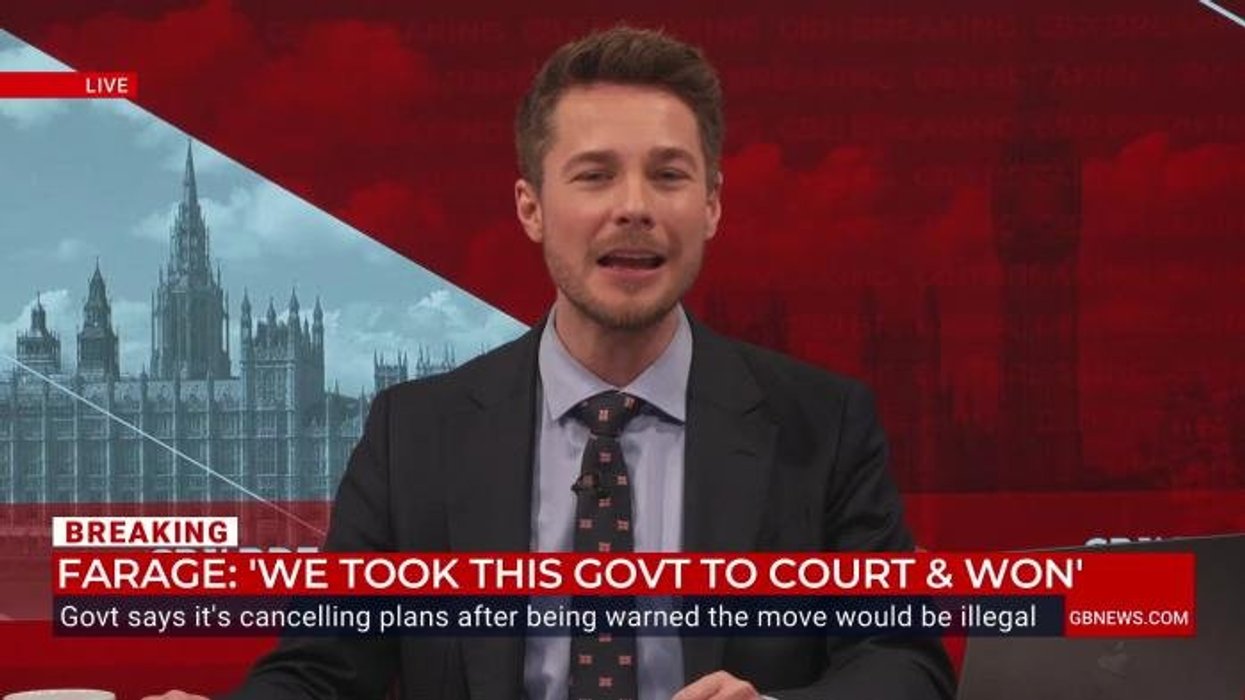
The Ministry for Housing, Communities and Local Government said this afternoon that this reversal was due to “new legal advice.” Sure, advice that they were going to lose in court, we can assume.
Reform UK had taken legal action for a judicial review of the decision to postpone - they were seeking a court order overruling the Government on the grounds that postponing these local elections was “irrational”.
Rather than lose in court, the Government have voluntarily reversed itself before the court heard the full case. This will be yet another political embarrassment for this Government but it will also cost them (and therefore the taxpayer) a substantial sum in having to pay Reform’s legal fees in bringing the case.
Ironically, one legal problem for the government might have been that they gave councils a choice. The government told councils they had a choice whether to proceed with elections in their areas or not; mostly, it was Labour councils that chose to postpone.
But the very act of giving councils a choice would have made it rather hard to argue in court that postponement was a necessity or in some way essential. By their own actions, the Government signalled they too had a choice whether to offer a postponement.
That meant the court would have taken a lot of convincing to uphold the planned postponement of democratic elections. The counter-argument to the government was presumably that they were only seeking to postpone to try to avoid Labour losing the elections.
 The courts intervening in Keir Starmer's election plans is a double-edged sword - Sir Michael Ellis |
 Getty Images
In recent years, the courts have also become emboldened to judicially review (or overrule) the Government far more readily than they used to, as last week’s ruling overturning the Home Secretary’s decision to proscribe Palestine Action shows.
The willingness of the courts to intervene in the decisions of the government is not necessarily something to be readily welcomed in every case.
The courts were largely responsible for blocking previous attempts by the Tory government to bring immigration under control. However, as this legal action has shown, while the tools are available, one might as well use them!
Rather than face the embarrassment of losing in court - we can assume they must have been told a court defeat was very likely - the Government abandoned their plan.
As a consequence, today’s policy reversal can be added to the list of Digital ID Cards, Inheritance tax, Workers' Rights, Winter Fuel Payments, Pub Business rates, and so much more. It’s another fine mess they got themselves into.
More From GB News