






In a case which risks further undermining public trust in the UK’s human-rights framework, a double murderer who also held a prison officer hostage – and threatened to kill him – has been awarded compensation after suffering “severe depression” on the back of being denied contact with other inmates.
Fuad Awale, who is currently serving a life sentence for shooting two teenagers in the head in a Milton Keynes alleyway back in 2011, was transferred to a ‘close supervision centre’ (CSC) – a special unit for dangerous prisoners – after he and another inmate ambushed a prison officer, took him hostage, and threatened to take his life unless the UK released radical hate preacher Abu Qatada.
Awale has been assessed to “hold extremist beliefs”, having requested to be allowed to associate with one of the killers of Fusilier Lee Rigby, who was murdered in 2013 by Islamist extremists Michael Adebolajo and Michael Adebowale in Woolwich. This request was denied due to “counter-terrorism concerns”.
Before a series of transfers within the prison estate, Awale punched a prison officer in the face in January 2021 (a strike he claimed was made in “self-defence”).
 Islamic extremism just won a huge battle in Britain - and it cost you more than £200k - Rakib Ehsan |
 Getty Images
Awale’s segregation and isolation – to prevent him from associating with other inmates – was partly down to risks posed by the so-called ‘Death Before Dishonour” prison gang, which the court heard was dedicated to the “eradication of Muslims from the prison system”.
Awale was told the men “posed a threat to him” and there were no prisoners suitable for him to associate with in the unit – with his legal team arguing that the Secretary of State for Justice had failed to consider the number of racist and Islamophobic prisoners in the supervision centre. It was also argued that prison managers had failed to regularly review his segregated conditions in accordance with legal requirements.
Judge Mrs Justice Ellenbogan concluded that Awale’s rights under Article 8 of the European Convention on Human Rights had been breached, deciding that “the degree of interference with the claimant's private life which has resulted from his removal from association has been of some significance and duration”.
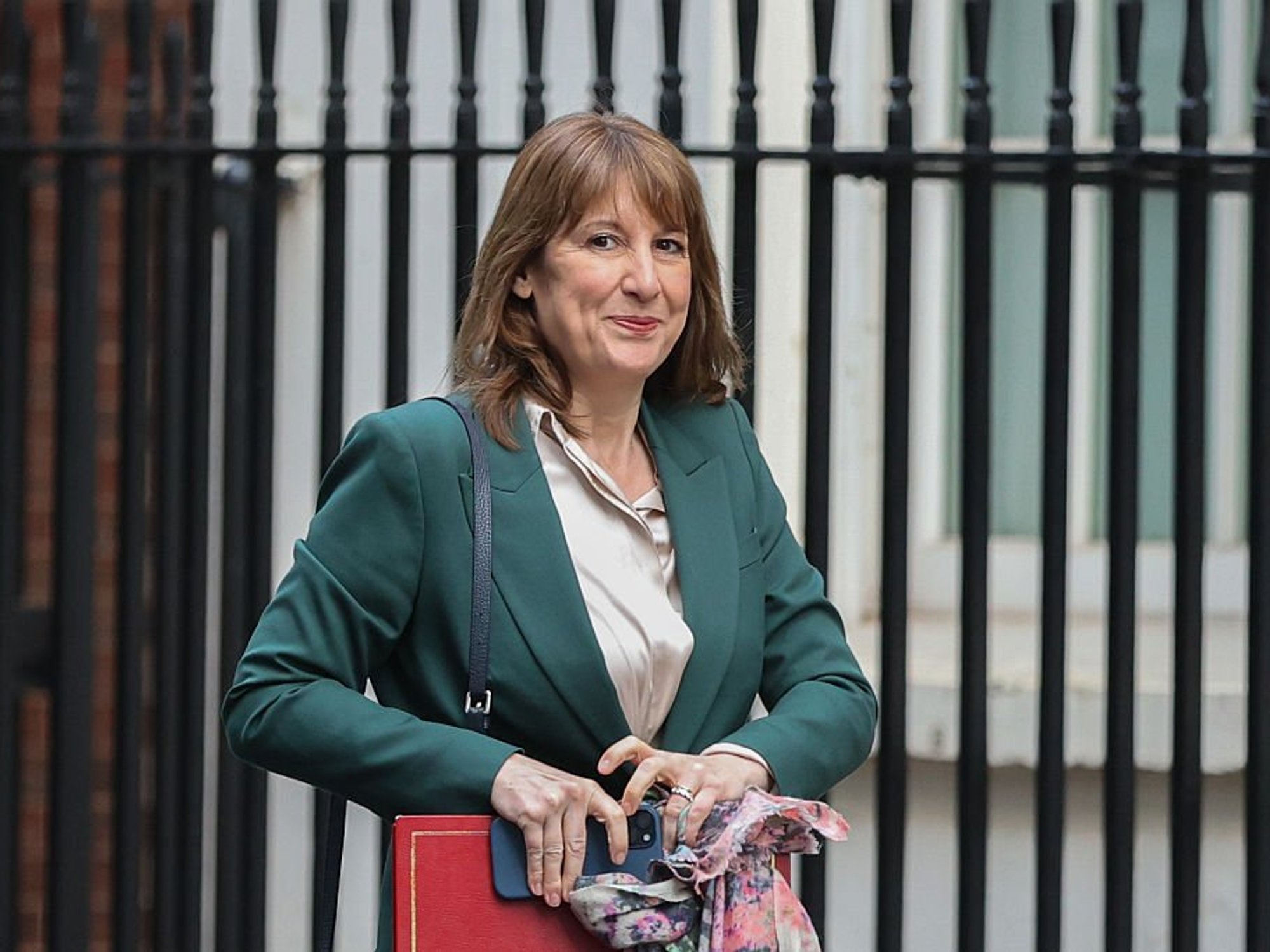
Labour justice secretary David Lammy has been accused by his opposite number, Tory shadow justice secretary Robert Jenrick, of putting the ECHR “above the safety of officers and the interests of the British people”, saying that Lammy should have appealed the decision of the High Court to award compensation and costs. It is worth noting that the compensation sum of £7,500 was a “modest proportion” of the overall settlement (which includes £234,000 of taxpayer-funded legal costs).
In a country where there is an ongoing cost-of-living crisis (with one in three Brits having less than £500 in emergency savings), this court ruling and state coverage of legal costs will be a severe blow to those who believe that the UK’s human-rights architecture is being advantage of by dangerous criminals – in this case, an Islamist extremist who is serving a life sentence after committing a double homicide (who also has a history of being violent towards prison officers).
To put the figure of £234,000 into perspective, this is the average house price in places such as Southampton in Hampshire and Cannock Chase in Staffordshire.
It is perfectly understandable for members of the British public to feel like the UK’s current human-rights laws ultimately prioritise the rights of dangerous individuals (including murderous extremists) over the collective security of the British public and those who serve in high-risk professions (such as prison officers).
And existing feelings that the governing classes do not truly serve the interests of British tax-paying citizens will be heightened because of the Government’s apparent unwillingness to appeal the High Court’s decision.
Once again, Article 8 of the ECHR has been thrust into the spotlight. This latest scandal will only provide calls for the UK to withdraw from it with additional momentum.
It is vital that the UK’s human-rights framework is reformed in a way which means it is no longer vulnerable to being exploited by dangerous prisoners who wish to avoid tougher security measures.
More From GB News