






Donald Trump has removed two of the world's most entrenched tyrants in rapid succession—Nicolás Maduro in Venezuela and Ayatollah Ali Khamenei in Iran.
With his track record, my British friends often plead for his assistance to deliver them from Keir Starmer, one of Britain’s most unpopular leaders of all time.
While the President cannot and would not directly unseat Britain's democratically-elected Prime Minister, his unyielding approach is indirectly laying the ground for government change by exposing the madness of some of the Labour leader's signature policies and steadily eroding his authority at home.
Trump acts with resolve where tyrants threaten stability and the West’s interests. In January of this year, U.S. forces captured Maduro in Caracas after a targeted operation, extracting him and his wife to face long-standing U.S. charges, including narco-terrorism.
Maduro's removal ended years of misrule that destabilised the region. Weeks later, in late February and early March 2026, joint U.S.-Israeli strikes killed Khamenei, the Iranian supreme leader who had presided over decades of proxy aggression and nuclear brinkmanship. These were decisive interventions. Trump deploys power without apology to neutralise threats.
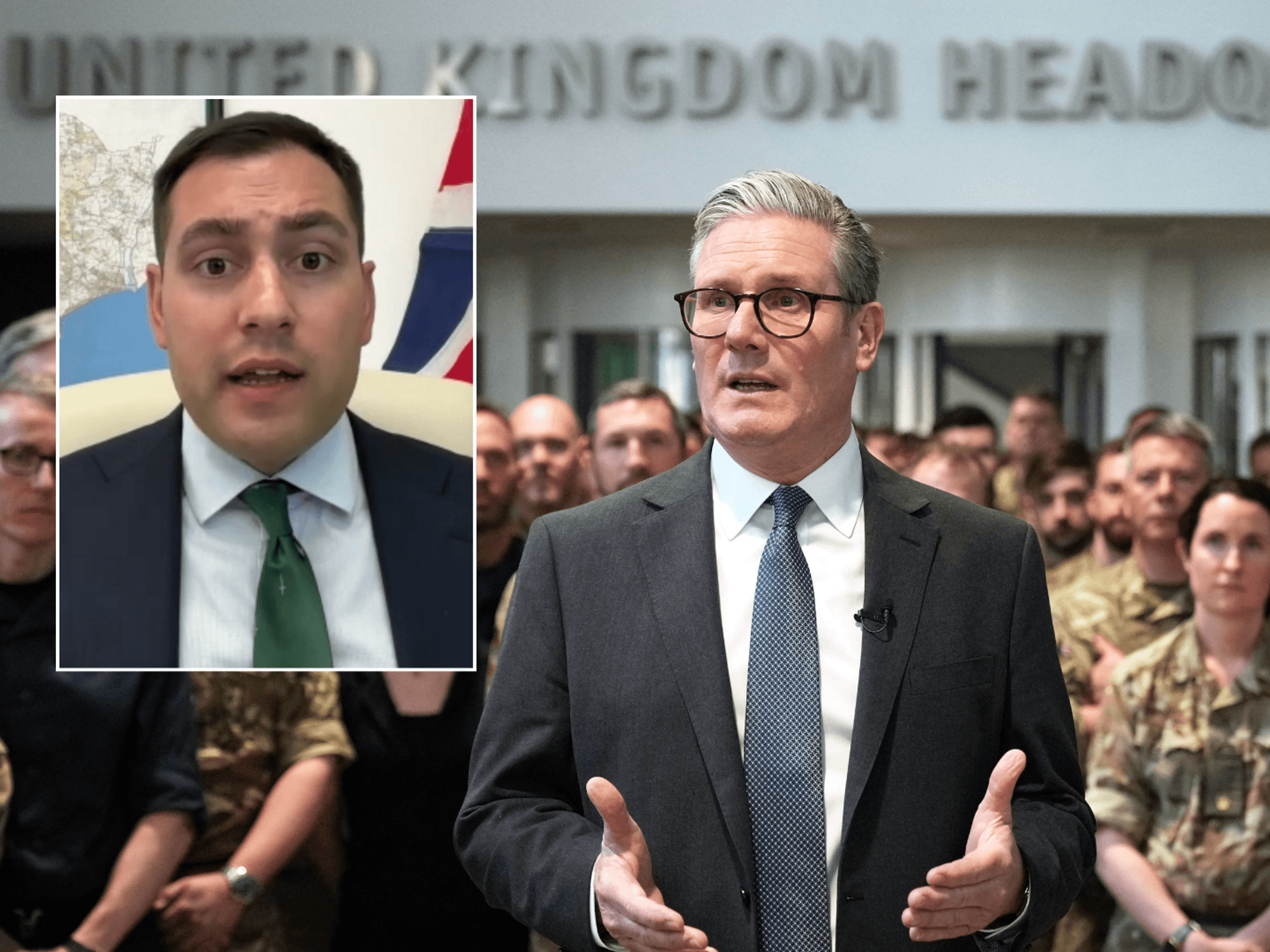
Starmer recoils from comparable clarity. When the U.S. requested access to Diego Garcia — the strategic base in the British Indian Ocean Territory — for operations against Iranian missile sites during the escalating conflict, the Prime Minister initially refused.
Legal concerns over international law and the precise justification for strikes were cited. The hesitation delayed allied capabilities at a critical moment.
Only after Iranian retaliatory missiles struck targets including a British base in Cyprus did Starmer reverse course, permitting limited U.S. use of Diego Garcia and other facilities for "defensive" purposes. The flip-flop was public and unavoidable.
This sequence exposed more than tactical caution. It revealed a deeper deference to establishment hesitancy over resolute alliance solidarity.
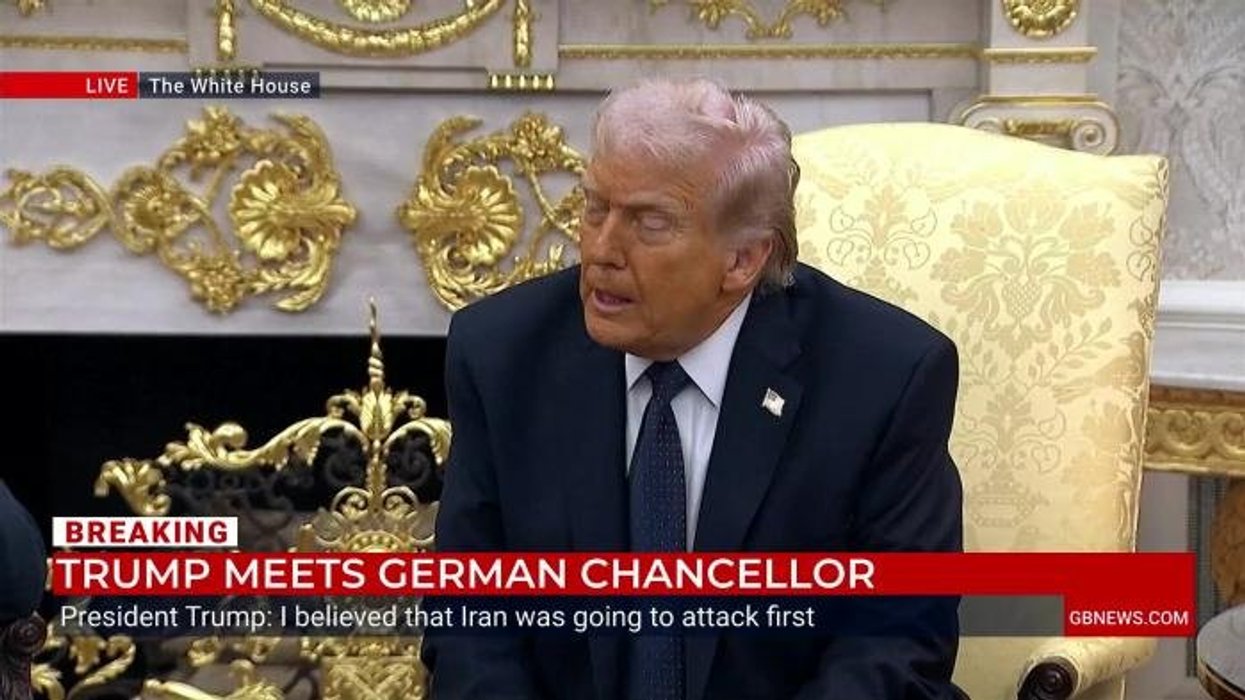
Trump voiced his frustration plainly. He told interviewers he was "very disappointed" in Starmer for taking "far too long" to approve base access—a rare public rupture between close allies.
He labelled Starmer "no Winston Churchill" and accused him of ruining relationships. These were not casual barbs. They were calculated rebukes that highlighted the contrast: decisive American leadership versus Labour's pattern of delay, consultation, and eventual reluctant accommodation.
 Not content with removing two tyrants, Donald Trump is now sparking regime change in Britain - Lee Cohen |
 Getty Images
The Chagos deal stands as the clearest policy defeat. Labour framed the agreement—transferring sovereignty of the Chagos Islands to Mauritius while securing a 99-year lease for Diego Garcia — as mature, responsible diplomacy. It promised to resolve long-running legal disputes while preserving the base's vital role.
Trump initially appeared to accept it. Yet Starmer's initial block on Diego Garcia use changed the dynamic. The U.S. president withdrew support, describing the lease as "tenuous, at best" and warning that Britain should not lose control of the territory for any reason. Congressional Republicans pressed to block the handover. Mauritius threatened legal action over delays.
What Labour presented as a diplomatic triumph became a visible liability, unravelling under transatlantic pressure and exposing the fragility of Starmer's internationalist approach.
Contrast sharpens the picture. Trump treats strategic assets and military access as non-negotiable red lines essential to national security. He enforces them without compromise.
Starmer treats them as bargaining chips, surrendered or hedged for optics approved by NGOs, international courts, and progressive allies.
The result is humiliation at home. Voters see a Prime Minister who prioritises globalist deference over British sovereignty and credible alliances. Trump's criticisms land because they articulate a widespread sentiment: Labour subordinates national interest to establishment caution.
The domestic erosion is unmistakable. Starmer's authority weakens not through direct intervention but through inescapable comparison.
Every public rebuke from Washington — from free speech assaults, to migration folly, to net zero lunacy—underscores hesitation where strength is required.
Nationalist discontent grows as the Chagos fiasco and Iran flip-flop fuel perceptions of weakness. Public commentary and unease signal mounting damage. Internal Labour strains surface amid the fallout. A resolute leader would seize such moments to reassert British priorities; Starmer's instinct is retreat and apology.
Trump's method creates traps Labour cannot easily escape. Double down on concessions, and patriots alienate further. Attempt belated firmness, and prior capitulation stands exposed.
Either path accelerates vulnerability. Labour's grip loosens as the void between decisive sovereignty and hesitant deference becomes impossible to ignore.
Trump cannot remove Starmer. Yet through defeating signature policies like the Chagos handover and exposing frailties in real time, he helps free Britain from the grip of Starmer's establishment-bound governance.
The example of unapologetic resolve against tyrants abroad now dismantles illusions of competence at home—one calculated contrast at a time.
More From GB News