

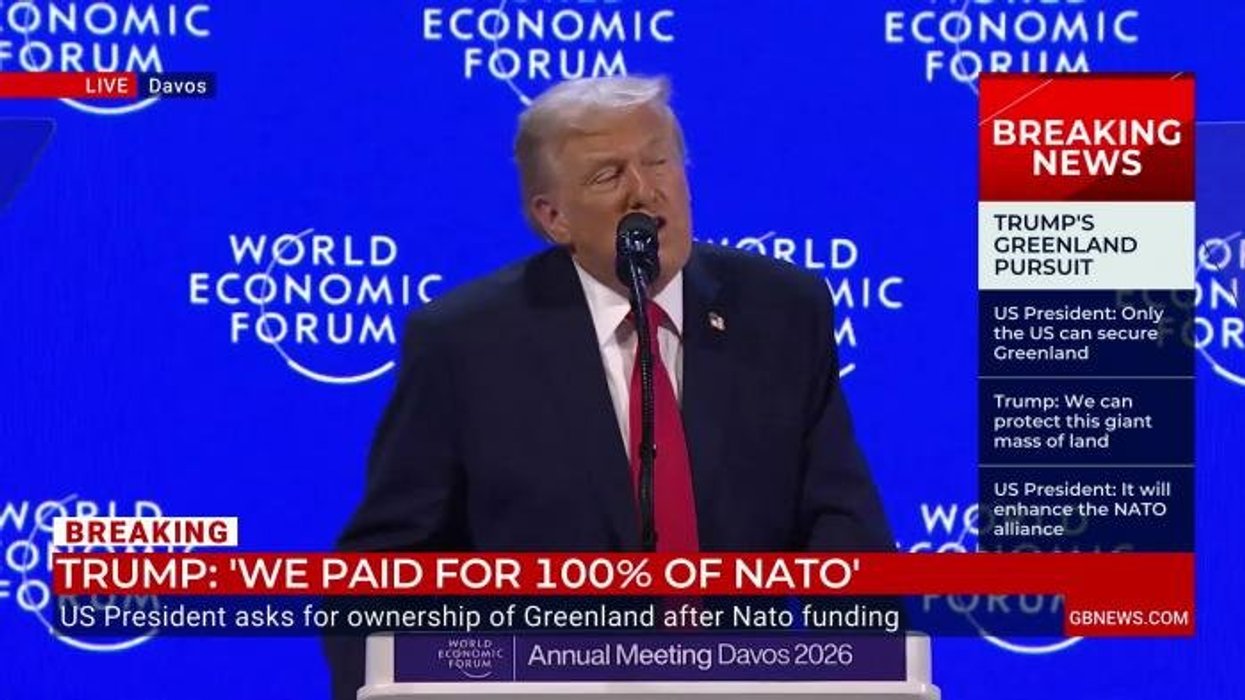






As ever with President Donald Trump, there was a kernel of truth among the froth of his Greenland arguments- that the European members of NATO have neither given enough attention to the dangers in the High North nor invested sufficiently in the military hardware required.
That, however, was it. The rest was an unnecessary distraction, a manufactured crisis that consumed time and energy within the Alliance and almost certainly put smiles on the faces in the Kremlin.
Not only did the arguments not stack up, but the political backlash in Washington went well beyond the usual Democrat suspects and, unusually, included numerous influential figures in the President’s own Republican Party.
This, rather than the opposition from European leaders, is likely to be behind the swift and dramatic change of course that we all witnessed at the WEF in Davos.
The case that the US needed’ to ‘own’ Greenland to guarantee its security failed to understand the entire basis of the NATO treaty. Greenland is part of the sovereign state of Denmark, a full NATO member.
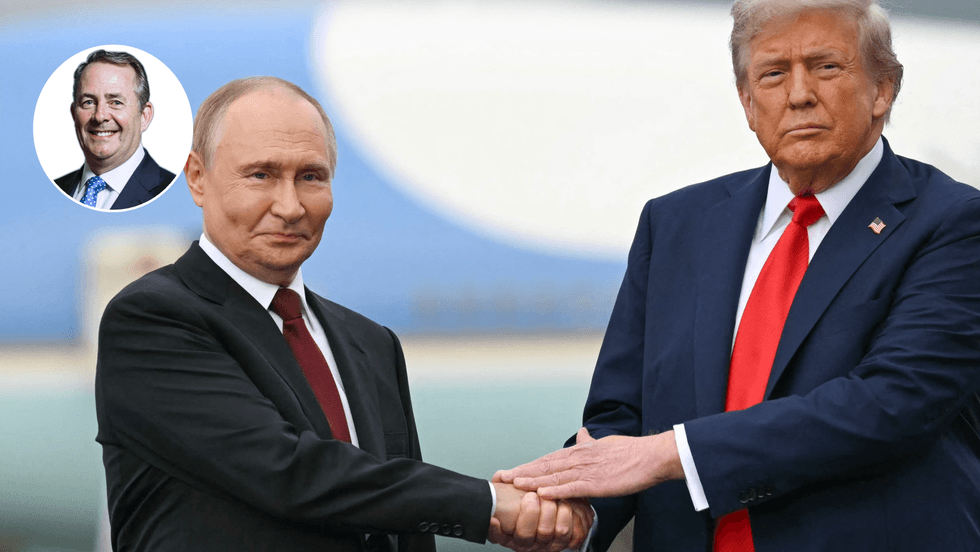
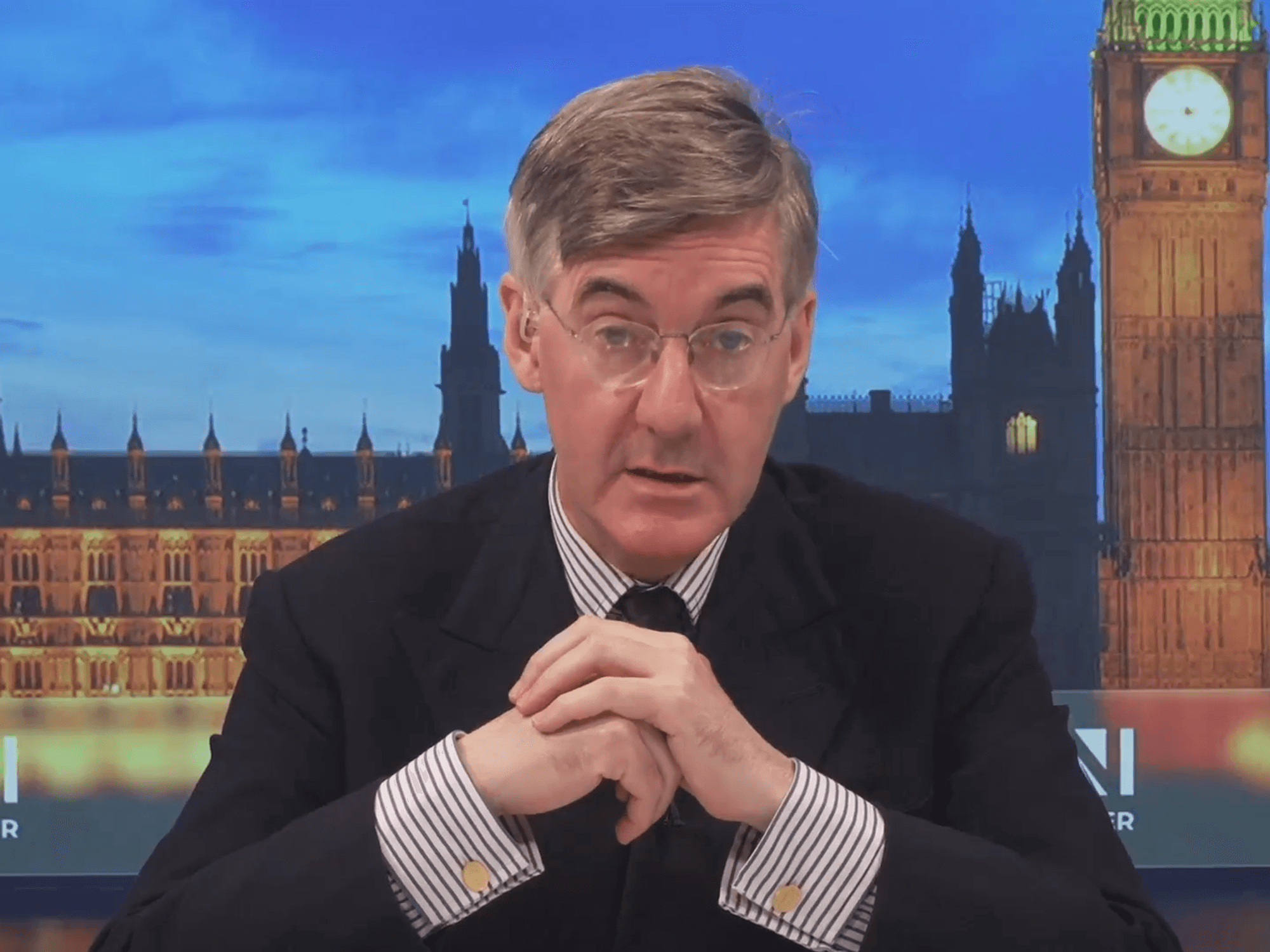
Donald Trump's manufactured crisis just gave the Kremlin a massive reason to smile - Liam Fox
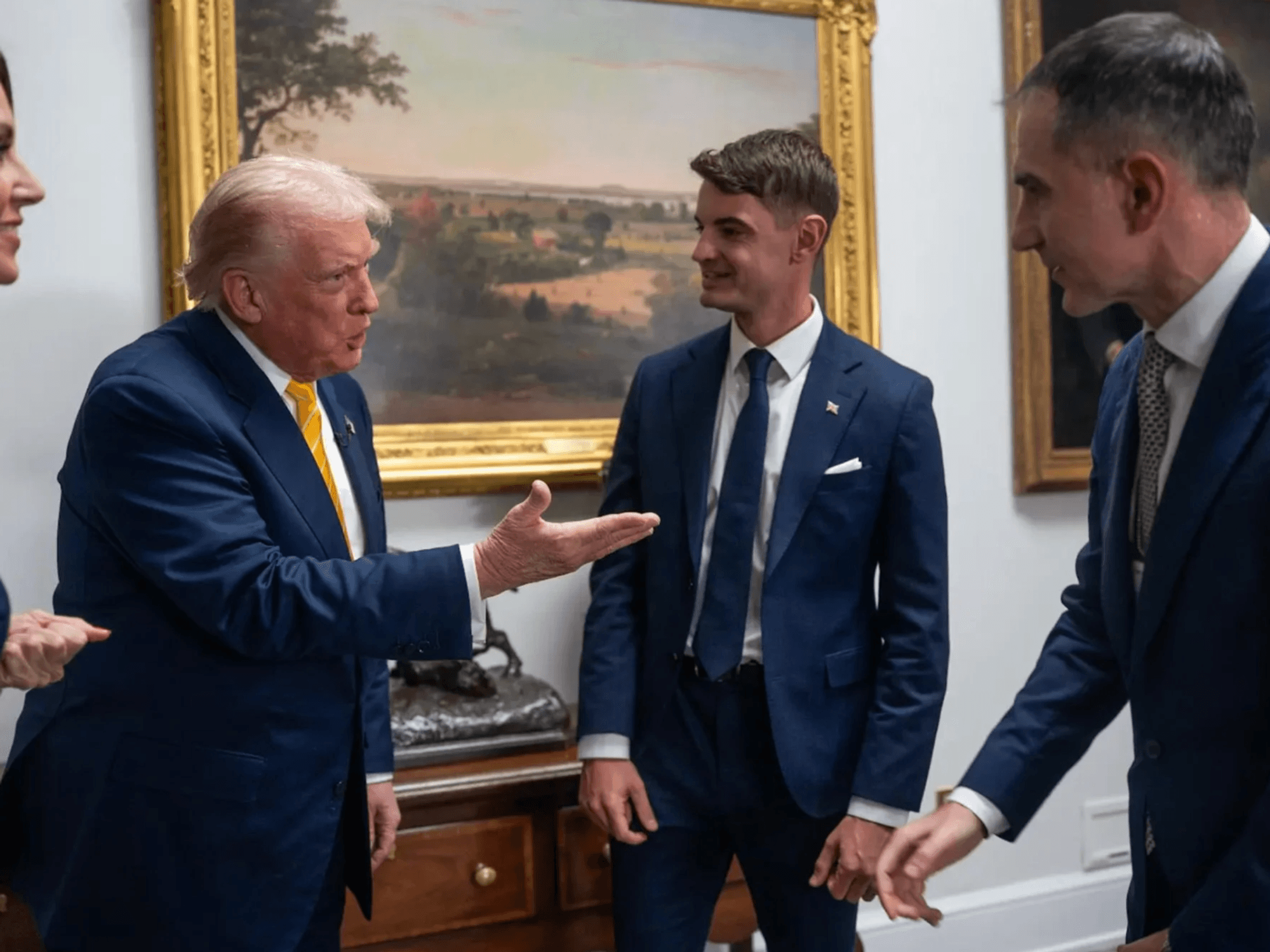
|Getty Images
Under Article 5, which views an attack on one member as an attack on all, any aggression by Russia or China on Greenland would trigger the collective responsibility to respond, including the United States.
In other words, the US and all its military might are already part of the defensive posture of Greenland. Moreover, the US already has considerable treaty rights to establish whatever troop numbers it sees fit in Greenland, so there is nothing to stop President Trump from increasing those now if he chooses.
There is a strong case for an increased NATO presence in the High North as rising sea temperatures make new maritime trade routes viable, especially to deter the sort of Russian interference that we have seen recently in the Baltic Sea.
Early warning systems against missile attacks would also be a useful addition to NATO defences, but neither of these requires, in any way, US sovereignty over Greenland.
What should we learn from this self- inflicted crisis? First, and most importantly, we need to improve our collective NATO presence and capability in the Arctic, something that many of us have long called for. Secondly, overreaction to the contents of President Trump’s Truth Social website is unwise.
He is a past master of using it to set the media agenda, either to float ideas or provide diversions from elsewhere.
The typically overblown and histrionic performance from Emmanuel Macron, for example, is a case study in how not to react.
The lower-key but privately active response from Mark Rutte, the NATO secretary general and the British government was more appropriate and almost certainly more effective.
So what, in the end, was this all about? Some have suggested that it was about the President’s aim to provide an enduring legacy by increasing America’s geographical territory for the first time since Alaska and Hawaii joined the Union in 1959.
If so, it seems to have spectacularly backfired, though that is no guarantee that it will not resurface again in the future.
There will be an increased anxiety within the Alliance that may take a considerable time to subside, and it may mark a new determination from the political establishment on Capitol Hill to place limitations on the power of what has been an extraordinarily powerful presidency. All we can be completely sure of, however, is that it will not be dull.
More From GB News