





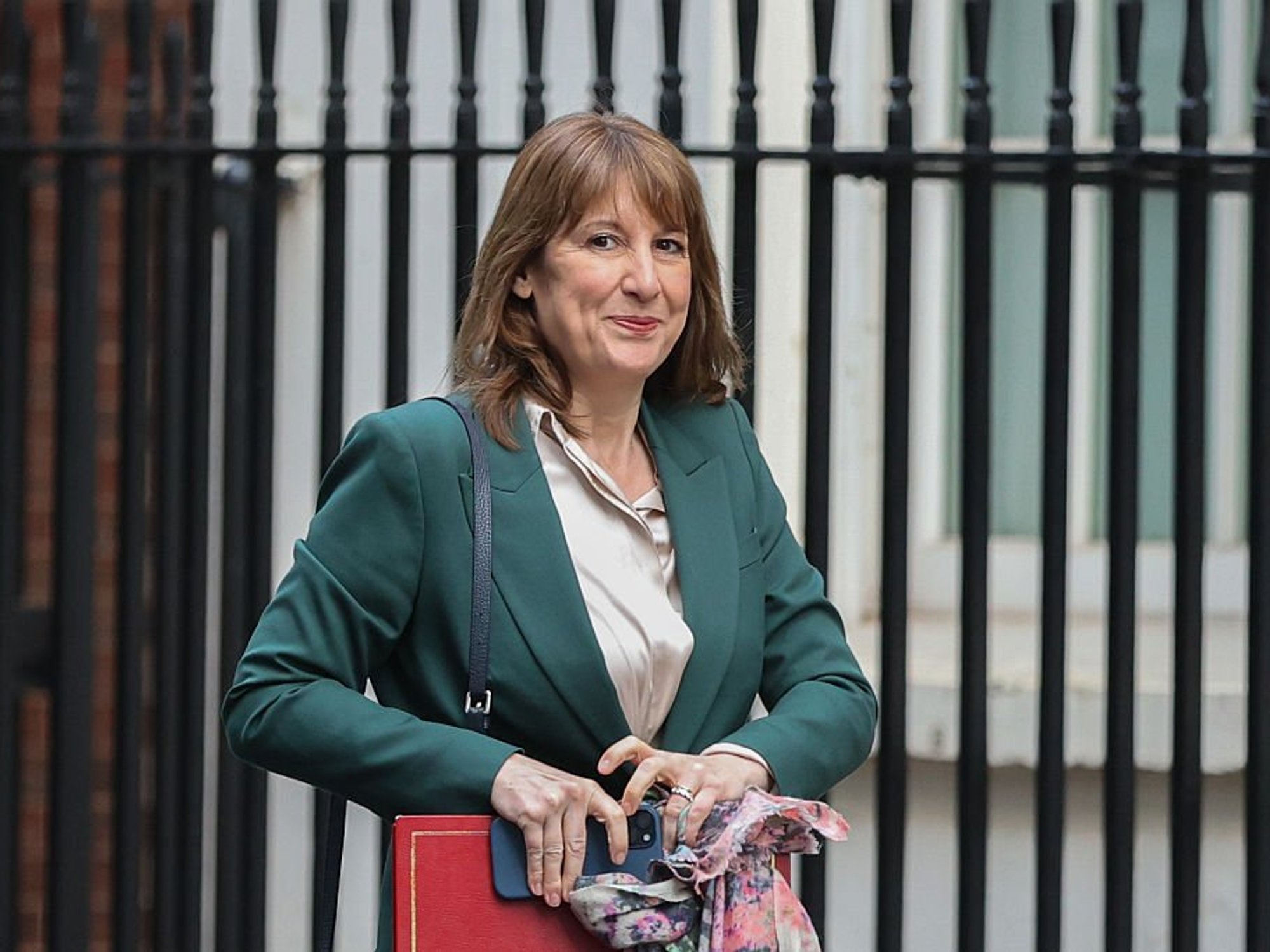
If there is an iron law of British governance, it is this: no matter how poorly our civil service performs, it always seems to grow.
New research from the TaxPayers’ Alliance reveals that the headcount of Britain’s civil service is now approaching 550,000.
To put that into perspective, it is around three times larger than the UK’s armed forces and roughly the size of the population of Sheffield. This is not the mark of a state that has learned to do more with less, but the hallmark of a system that expands regardless of results, cost, or outcomes.
This did not happen overnight. Back in 2023, we found that between March 2016 and March 2023, civil service employment increased from 418,340 to 519,780 - a 24.2 per cent rise, which represented the sharpest increase in at least 40 years. That growth did not slow meaningfully thereafter.
In 2024, the headcount rose again by 4.4 per cent, and in 2025, it increased by a further 1.3 per cent, taking the total to 549,660.
While the latest rise is smaller than the immediate post-pandemic surges, it reinforces a striking and deeply troubling pattern.
This is now the ninth consecutive year of civil service headcount growth, with the only recorded fall in the available data occurring back in 2016.
Through Brexit, Covid, and successive changes of prime minister, the civil service has expanded under every political condition imaginable. Crisis or calm, the direction of travel has remained the same.
This sits uneasily alongside years of political promises. Governments of all colours, Conservative and Labour alike, routinely talk about cutting the size of the civil service, boosting efficiency, and delivering better value for money.
Civil service numbers are often presented as the easy target, the low-hanging fruit of overall government reform. Yet in practice, neither party has delivered sustained reductions.
I’ve worked out how much of your salary civil servants pocket. It's jaw-dropping - William Yarwood
|Getty Images
The rhetoric of restraint collapses on contact with Whitehall reality. After all, it is easy to promise cuts when you are campaigning. It is much harder when you rely on the very bureaucracy you claim to want to shrink.
Even more revealing than the headline growth is where that growth is happening. Between 2024 and 2025, the increase was concentrated firmly at the top.
The number of staff in the highest grades rose by 9,635, while junior administrative roles actually fell by 2,805. Put charitably, the civil service is shrinking where the day-to-day work is done and expanding at the managerial level.
Less charitably, it is becoming a bureaucracy that is more interested in managing itself rather than serving the public.
This shift tells its own story. Fewer junior staff are handling frontline tasks while more managers are overseeing processes, meetings and strategies.
Anyone who has dealt with Whitehall in recent years will recognise the results: slower decision-making, endless layers of approval, and a system more focused on internal procedure and managerialism than external delivery.
Unsurprisingly, this top-heavy structure is reflected in pay. Median salaries rose above inflation at every grade, but the biggest cash increases went to senior civil servants. Their median pay rose by £3,570 in a single year, far outpacing the pay rises available to the taxpayers who fund it.
That feeds directly into the surge in six-figure salaries. In just one year, the number of civil servants earning over £100,000 jumped by 20 per cent, and even more strikingly, is that those in the £150,000 to £200,000 pay band rose by more than 44 per cent.
This is not a workforce tightening its belt in solidarity with the hard-working families - it is an administrative elite that is doing rather well for itself.
At the same time, the composition of the civil service continues to drift away from delivery. Communications roles increased by more than 10 per cent in a single year, with particularly sharp rises in departments such as the Cabinet Office, Defra and the Ministry of Defence.
The British state increasingly appears to be staffed to explain and sell itself rather than to function efficiently.
Put all of this together, and the consequences are obvious. The civil service salary bill has ballooned with total pay now estimated to cost taxpayers £21billion a year, up 7.3 per cent in just one year, and that is before even mentioning gold-plated pensions, generous expenses, and other perks that remain well beyond the reach of most private sector workers.
We’ve been given endless promises of change. But until a government is prepared to take on the civil service rather than indulge it, taxpayers will keep paying more for worse outcomes.
And until that happens, promises of reform, efficiency and restraint will remain exactly what they have always been: empty words.