





In January, the brilliant charity Dementia UK invited me, along with other supporters and people living with dementia, to share our views on social care with the Casey Commission, the new group set up by the UK Government to improve England’s social care system. I am very glad that I did. In response, the Health Secretary has agreed to:
- Create a new dementia leadership role within the Department of Health and Social Care
- Accelerate work on a Modern Service Framework (MSF) for Dementia and Frailty – a national plan which will set standards for care and identify the best types of support that health professionals should provide. If delivered well, this could be an opportunity for real progress in joining up and improving dementia care.
I submitted my views by email, as I tend to avoid phone or FaceTime surveys. That is on the advice of the excellent Nick Stapleton, John and Lynn’s son, who does superb work exposing scams. Criminals can now use AI to clone voices and images to impersonate people, so caution is sensible.
I have known Baroness Casey since the 1990s, when she worked at Shelter, and I was an active supporter of Crisis. We both cared passionately about homelessness.
She is far more than simply a do-gooder; she understands both people and systems, and she gets things done. As a crossbench peer, she is often the Government’s “fixer” and one of the real jewels in their crown.
In my submission, I praised the dementia diagnostic service and the work of GPs and the local healthcare system. But I also bemoaned the lack of psychiatric aftercare.
As Timothy West said when talking about Prunella Scales’s diagnosis, many people feel very much on their own after the initial diagnosis.
I did have a few sessions with a gifted young psychiatrist with whom I felt an immediate empathy. She lived in the New Forest and kept horses.
Her best piece of advice, which I still practise, was simple: before drifting off to sleep, think of three positive things from the day.
My little list often includes our grandsons, our children, and my beloved, kind and supportive wife. It does not solve dementia, of course, but it does help you feel more positive about life.
Recent events in the Middle East have also prompted memories for me. The evacuation of British nationals from Beirut took place in July 2006 during the conflict between Israel and Hezbollah (Operation Highbrow).
I covered the arrivals live as ships such as HMS Gloucester, HMS Illustrious, HMS Bulwark, HMS St Albans, and HMS York brought people to safety.
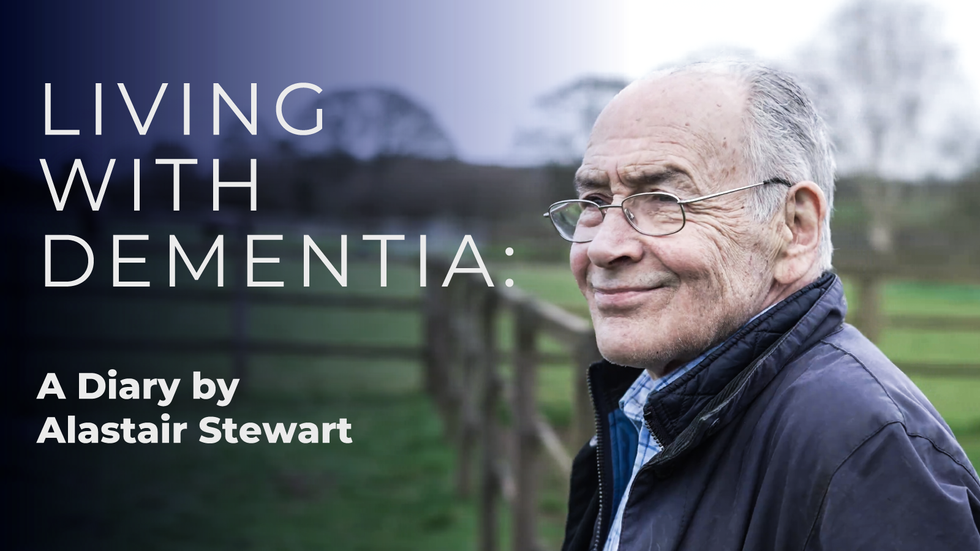
Alastair Stewart: This simple exercise before falling asleep has been vital for navigating life with dementia
| GB NEWSI guided the brilliant director Dan Wright with what I had spotted on the ground, and he conducted the coverage, me and the camera crews, like an orchestra conductor. It was a triumph of live broadcasting.
The great ITN editor Deborah Turness later sent us a small Cyprus tree, the national tree of Lebanon, to thank me for the work. After a month under fire and hours of live television, it meant a lot.
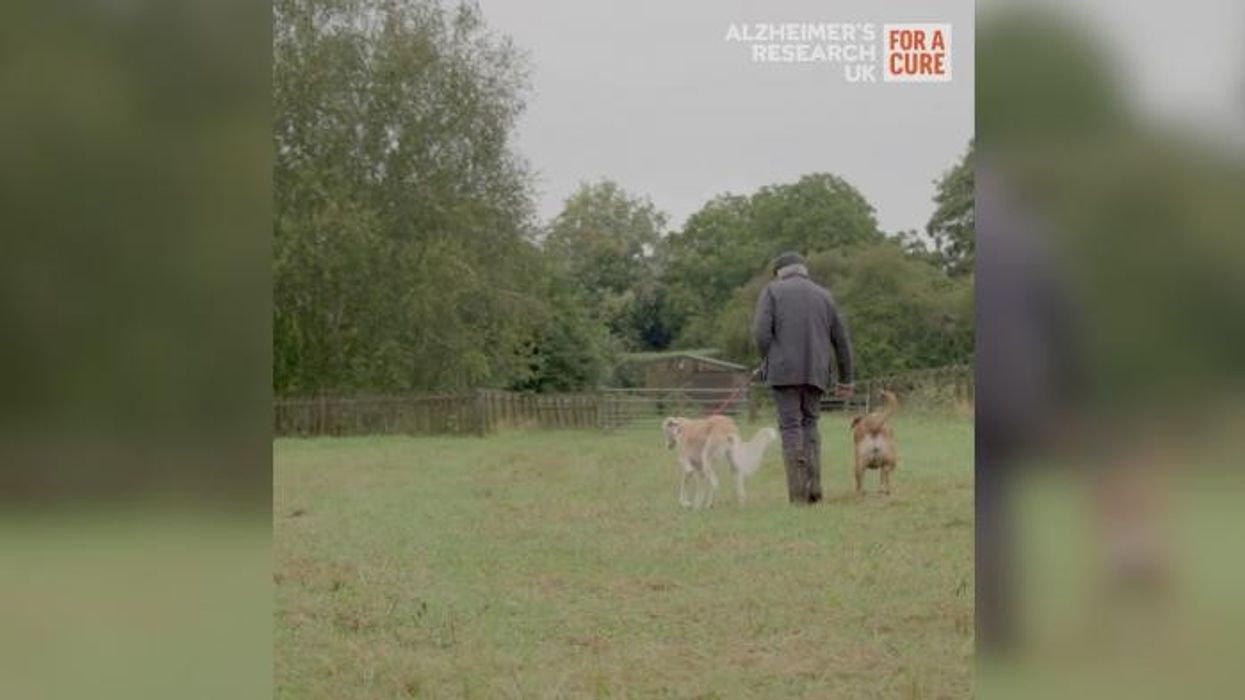
We planted it in one of our fields, and it has grown magnificently. I enjoy seeing it every day when I walk the dogs, and the memories it brings back.
Deborah later went on to senior roles at NBC in the United States and the BBC. She eventually resigned from the BBC over the Trump speech editing controversy. She did not personally make the edit, but it happened on her watch.
She is a great woman, unlike some editors I worked for. The recent arrival of huge USAF transport aircraft at Fairford also reminded me of the arrival in 1993 of US cruise missiles at Greenham Common.
The women’s peace camp was there, of course, and Defence Secretary Michael Heseltine descended on the base in full military fatigues to read the riot act to them. It was quite a spectacle.
Heseltine was no stranger to vanity. The walls on the back staircase of his magnificent Oxfordshire house were covered with cartoons of him.
Ted Heath also collected cartoons about himself, but displayed them in the downstairs loo and what he called his “panic room”.
More recently, Keir Starmer’s reluctance to support certain military action prompted one of Donald Trump’s better put-downs: that we are “not dealing with Churchill”. Some suggested the reply should have been that we are also not dealing with Franklin D. Roosevelt. History has its ironies.
Tomorrow, Sally and I are going to hear Lady Alison Wakeham speak about Margaret Thatcher - “the woman and the friend” - at an event for the charity Home-Start.
Alison and her husband John were lifelong friends of Thatcher’s and often entertained her at their Hampshire home, even after she was diagnosed with dementia at the age of 75.
Sally and I were once invited to lunch with her and the Titchmarshes. Alison said, “She’ll remember you”, and she did. We spoke about foreign affairs and economic policy, and she remained remarkably sharp.