





Andrew Mountbatten-Windsor has become the latest subject of that once rarely deployed parliamentary mechanism, the Humble Address.
The Conservatives used it not long ago to secure papers relating to Peter Mandelson’s appointment as UK Ambassador to the United States. What was once exceptional is now almost routine.
As the ever perceptive Isabel Hardman noted in The Spectator, the device was rather suited to the Government. It allowed attention to drift away from Mandelson, long an essential figure within the Labour movement and its wider project, and towards the former Duke of York, now a diminished and controversial figure on the fringes of the Royal Family.
Though styled “humble”, there was little humility on display. The Liberal Democrats in particular looked rather pleased with themselves, especially once it became clear that the Government would accede to the Address and release the papers.
By long-standing convention, the House of Commons does not readily debate members of the Royal Family. I remember well how difficult John Major found it in the 1990s when the separation and eventual divorce of the Prince and Princess of Wales forced such matters into the political sphere. It is not comfortable territory.
After all, we fought a civil war and beheaded a king to establish the supremacy of Parliament, later settled and enshrined in the constitutional arrangements following the Glorious Revolution of 1688.
Trade Minister Chris Bryant referred to that history in his response to the debate, one of his more substantial speeches in the House.
He also took evident pleasure in describing the former Prince as “a man on a constant self-aggrandising and self-enriching hustle, a rude, arrogant and entitled man who could not distinguish between the public interest which he said he served, and his own private interest”.
He suggested that colleagues across politics and public life broadly shared this view. That set me scratching what I sometimes call my dementia-damaged head. My memories are not always as sharp as they once were, but they are not so easily erased either.
Two moments returned to me with clarity. The first was the Falklands War in 1982. Andrew was then a young Royal Navy officer, flying Lynx helicopters.
There was considerable debate about whether a senior royal should see front-line service. He insisted, and the Queen supported him.
Years later, his nephew Prince Harry faced a similar dilemma in Afghanistan. Both served with distinction. One of Andrew’s most dangerous tasks was flying at the stern of warships to draw fire and divert heat-seeking missiles. It was perilous work. He survived. Several ships and many servicemen did not.
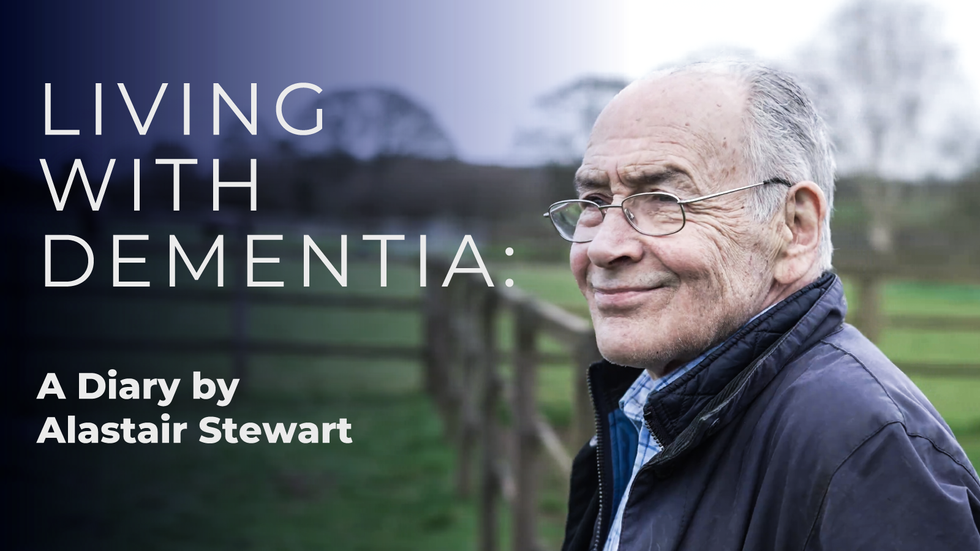
Alastair Stewart reveals how dementia can be a costly and complicated nightmare in this week's Living With Dementia
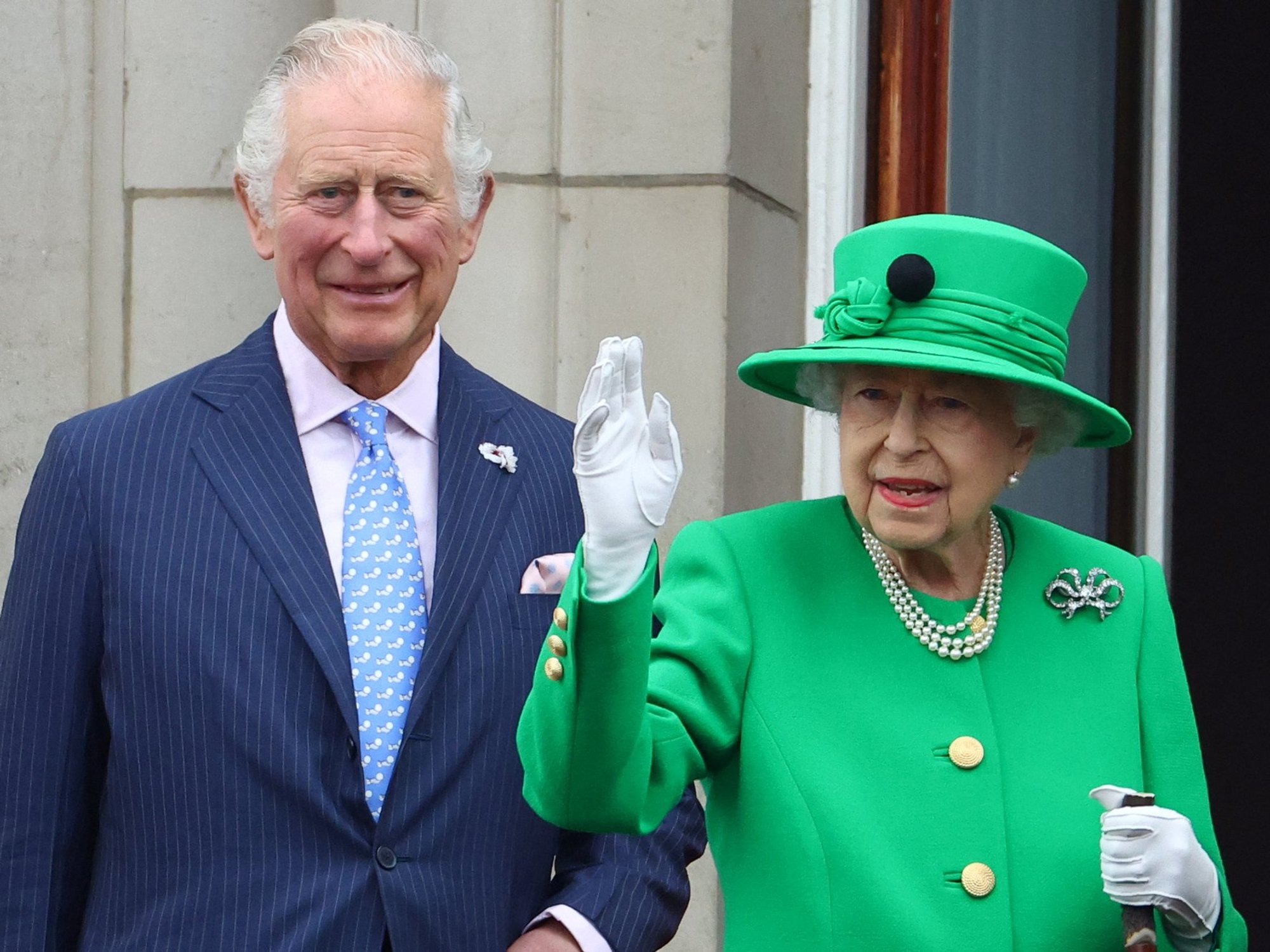
| GB NEWSI vividly recall the fleet’s return to Portsmouth in 1982. The Queen and the Duke of Edinburgh were there to welcome home the ships, very much Her Majesty’s ships, and their crews. It was deeply moving. Roses were handed out.
There is a memorable image of Andrew striding along the quayside with a single stem between his teeth. At ITN, the chief sub-editor, Phil Moger, proposed a headline suggesting the Queen had said, “Well done, son.” I objected. She would never have put it that way.
We instead framed it as the Queen welcoming home her son and the fleet. I won that argument. Shortly afterwards, Andrew agreed to an interview for the Royal British Legion, and I was asked to conduct it.
We were shown into a large room behind the Buckingham Palace balcony. He was warm, charming and generous with his time.
I still have a black and white photograph from that day. Recollections may vary, as the late Queen once observed. Mine differ from those of Chris Bryant.
More recently, the Mandelson “flight risk” story took a strange turn when the Speaker, Sir Lindsay Hoyle, acknowledged that he had informed the Metropolitan Police of concerns he had heard about Mandelson leaving for the British Virgin Islands. The Met later apologised for a leak. It was not a good look.