









A Jewish campaign group has warned the NHS has an "extremism" problem as a new report suggested staff could be barred from wearing political badges on their uniforms.
The review, published by the government's independent adviser on antisemitism, Lord Mann, examined antisemitism and other forms of racism within the NHS.
Lord Mann's report found evidence of what it described as "routine ostracism" of Jewish staff in the NHS.
He told the BBC: "People are leaving and have left the NHS because of that. There are people who are very quietly whispering it to me that they've made life changes, career changes, because of the ostracisation they've had for being Jewish."
It comes as polling from YouGov suggested 27 per cent of people would "strongly support" banning NHS staff from wearing political badges on their uniforms.
The survey of 7,545 adults found 22 per cent would oppose badges being worn.
Meanwhile, 18 per cent said they somewhat supported/opposed the policy, with 14 per cent saying they did not know.
Some NHS trusts already prohibit staff from wearing symbols that could be perceived as political, citing a need to create a safe and inclusive environment for patients.
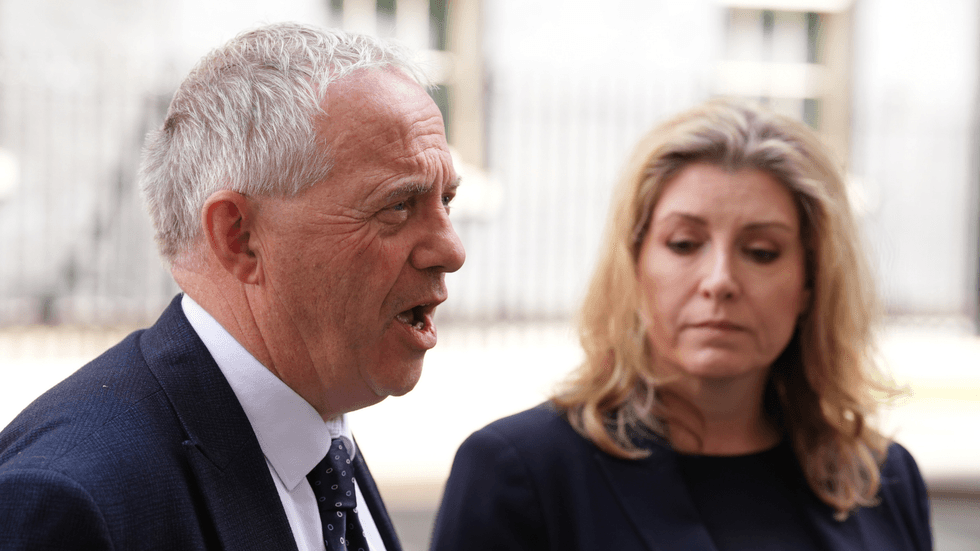
Lord John Mann published the report into NHS antisemitism
|PA
Breaking it down by voting, the most likely to oppose a ban was Green Party voters, with 54 per cent saying they would not support a ban, compared to 35 per cent supporting it.
The most in favour of a ban were Conservative and Reform voters, who tied with 53 per cent in support of a ban.
Meanwhile, 46 per cent of Labour voters support a ban, compared to 39 per cent who were against it.
Elsewhere, 48 per cent of Lib Dem voters support the ban, compared to 41 per cent against.
LATEST DEVELOPMENTS
The report by Lord Mann has been published
| GETTYWales shows the strongest support for the ban, with 51 per cent supporting (30 per cent strongly, 21 per cent somewhat) with 39 per cent opposing.
London is also relatively supportive of a ban, with 46 per cent supporting with 38 per cent opposing.
In the North of England, 46 per cent support the ban, compared to 39 per cent opposing.
However, in the Midlands, 45 per cent support, while 41 per cent oppose.
Scotland is the only region where opposition exceeds support with 46 per cent opposing the ban.
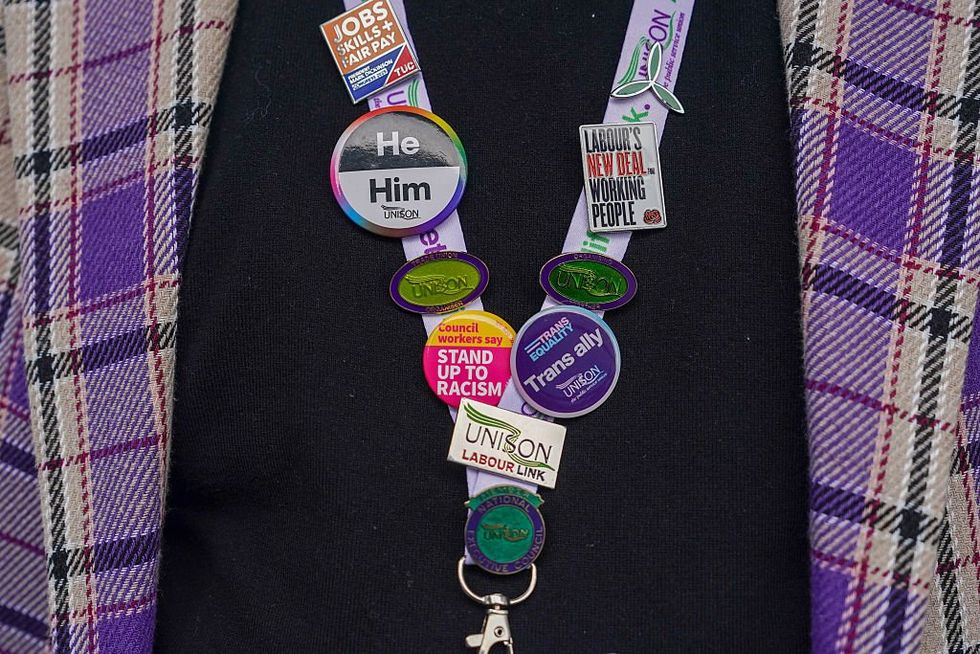
Political lanyards could be banned
|GETTY
Breaking it down by age, the polling suggests that support for banning the lanyards is strongest among older groups, while younger adults are more uncertain.
Among 18–24-year-olds, support is almost evenly balanced, with 38 per cent supporting and 37 per cent opposing a ban, with a quarter of respondents unsure.
Support for a ban increases with age, reaching 49 per cent among both 50–64-year-olds and those aged 65 and over.
However, older respondents are also more likely to hold strong views, with the highest levels of both strong support (34 per cent) and strong opposition (28 per cent) found among the 65+ group.
The polling found support for a ban increases with age
| GETTYA spokesman for Campaign Against Antisemitism told GB News: "The NHS has an extremism problem.
"Jewish patients should not have to worry about whether they will receive proper medical treatment (or worse, if they will be intentionally harmed) because they fear a doctor or nurse may deem them an acceptable target.
"It is only right that NHS staff leave their political opinions at home, not flaunt them at the bedside.
"They should not be wearing foreign flags or any other political symbols while at work. The NHS has a responsibility to ensure that all of its patients feel safe. And yes, that includes Jews."
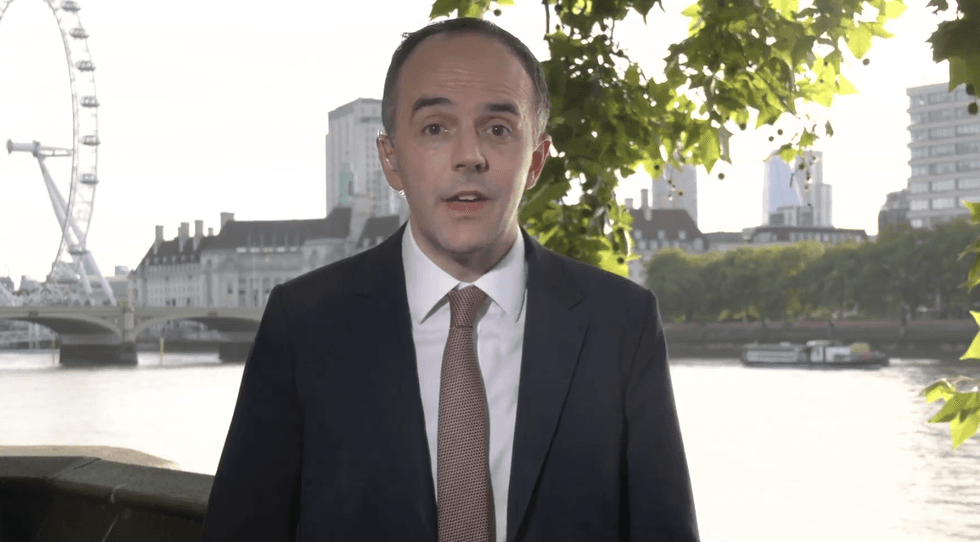
Health Secretary James Murray said the recommendations of the report would be implemented
| GB NEWSHealth Secretary James Murray said the Government would accept the recommendations in full.
He told the BBC: "I know that Jewish people, and everyone experiencing discrimination, need action not words.
"Together with NHS England, we will waste no time in setting these recommendations in motion to build a health service that lives up to its values."
A spokesman for the Jewish Medical Association said antisemitism must be "taken seriously".
They added: "We would support the banning of political symbols including flags and symbols of any country. We wouldn't want it to be discriminatory in any way."