






Water voles have been reintroduced into a British nature reserve for the first time in decades.
The rodent will return to Upper River Lea, at Batford Springs, Hertfordshire, for the first time in 40 years.
Harpenden Town Council confirmed it released 200 water voles into the nature reserve.
The project also involved creating new ponds and reshaping the land to be suitable for the reintroduction.
A council spokesman said: "We are very proud of this achievement.
"Batford Springs is hugely significant as it also has an incredible chalk stream."
The semi-aquatic rodent is native to the UK, Europe, and parts of Asia.
Famously known as "Ratty" from the children’s classic The Wind in the Willows, it is the largest species of vole in Britain.
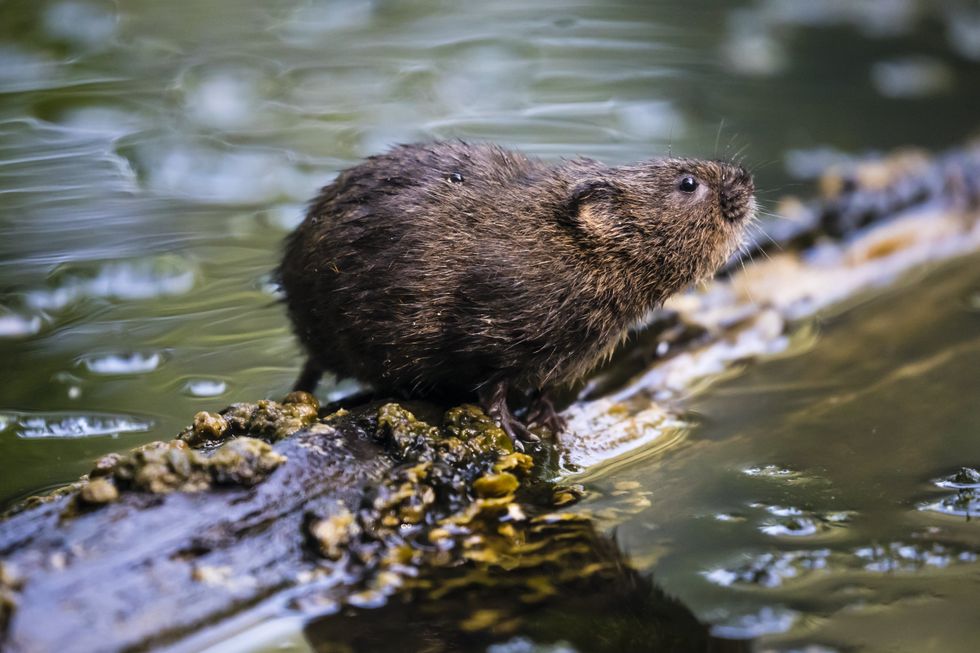
Water voles have been reintroduced into a British nature reserve for the first time in decades
|GETTY
The voles are roughly the size of a small guinea pig or a half-grown rat.
The rodents primarily live in extensive, multi-level burrow networks dug into the steep, soft banks of slow-flowing rivers, streams, ditches, and canals.
Water Voles are strictly herbivores.
A single vole consumes up to 80 per cent of its body weight daily, feeding on over 200 species of wetland plants and grasses
LATEST DEVELOPMENTS
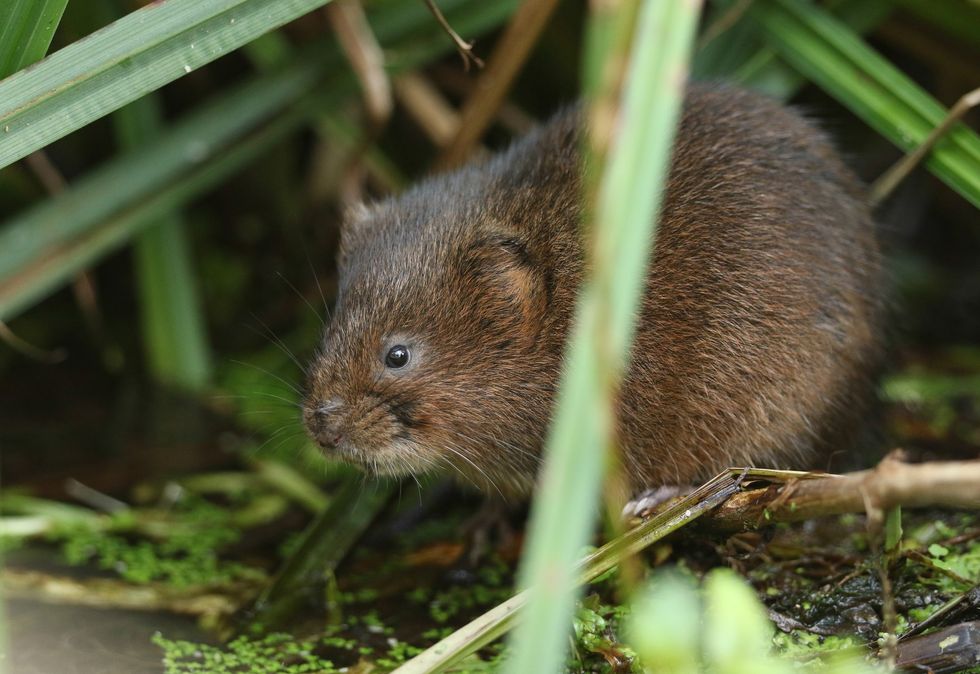
The rodent will return to Upper River Lea, at Batford Springs, Hertfordshire, for the first time in 40 years
|GETTY
They used to be very common in England, including at Batford Springs Local Nature Reserve, but their numbers have declined.
The population decrease is believed to be due to habitat loss and the non-native mink, originally brought to the UK and Europe from North America in the 1920s and 1930s for fur farming.
The water voles have become Britain's fastest-declining wild mammal, according to the People's Trust for Endangered Species.
Their data reveals the population collapsed by more than 90 per cent near the end of the 20th century.
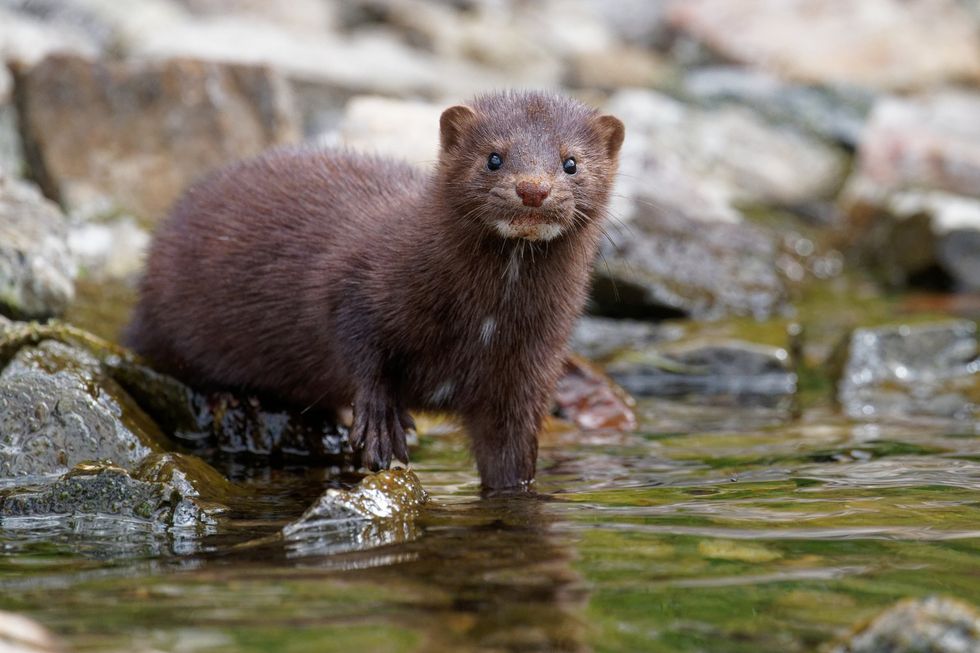
The population decrease is believed to be due to habitat loss and the non-native mink
|GETTY
The latest release came after a previous effort to restore the native species in the Upper River Lea, on the Ayot Estate, near Wheathampstead, Hertfordshire.
Herts and Middlesex Wildlife Trust reintroduced 100 water voles as part of a three-year plan.
Councillor Kirsti Wenn, Mayor of Harpenden, said: "It has been a real pleasure to watch this conservation project, from its infancy to the release of our new residents and I can't wait to see how the water voles will help the town council continue to improve the environment and local ecosystem.
"Batford Springs Local Nature Reserve is not only a beautiful green space, but it is the home of hugely important habitats, and we are immensely proud of all we have achieved here."
Our Standards: The GB News Editorial Charter