










Half of all British graduates earn less than the average wage five years after leaving university, a bombshell report has found.
Research by Policy Exchange found that more than 150,000 graduates a year fail to reach the £35,000 threshold that represents typical full-time earnings across Britain.
The think tank's analysis of Government data tracking around 300,000 students who graduated in 2017 found that 11 per cent were earning less than £24,000 five years later - equivalent to today's National Living Wage.
The findings come amid mounting concerns about the value of some university degrees and the long-term earnings prospects of graduates.
Shadow Education Secretary Laura Trott said: "Too many young people have been pushed into courses that leave them with large debts, limited teaching time and poor employment prospects.
"This report exposes just how unfair and demoralising the current system has become."
Mrs Trott added: "Many graduates do exactly what they were told would secure a better future, only to find themselves burdened with debts for qualifications that do not provide the opportunities they were promised."
Reform UK's Education spokeswoman Suella Braverman lambasted the university system as "rigged".

Analysis of 300,000 students who graduated in 2017 found that 11 per cent were earning less than £24,000 five years later
| GETTY"Our young people have been sold a lie about university, wasting three years of their lives to get massively into debt, while we have a chronic shortage of nurses, builders and care workers," she said.
The report also highlighted sharp differences in earnings between subjects.
Graduates in sociology, creative arts, English, sports science, psychology and performing arts were among the lowest earners, while those who studied medicine, dentistry and economics recorded the highest salaries.
Policy Exchange also raised concerns about academic standards, noting that the proportion of students awarded First-class degrees has more than doubled over the past 18 years.
BRITAIN'S YOUTH IN CRISIS - READ MORE:

Shadow Education Secretary Laura Trott described the current system as 'unfair and demoralising'
| GETTYIn 2006/7, just 13 per cent of graduates received a First - but by 2024/25, that figure has skyrocketed to 30 per cent.
The think tank described the findings as evidence of a "wholesale collapse in outcomes, standards and the graduate premium" following years of expansion across the higher education sector.
Its report called for sweeping reforms, including a 30 per cent reduction in university places, caps on the number of First-class degrees awarded and tougher entry requirements.
The authors also proposed a new national admissions test for applicants who fail to achieve at least three C grades at A-level, alongside a freeze on tuition fees, which currently stand at £9,790 per year.
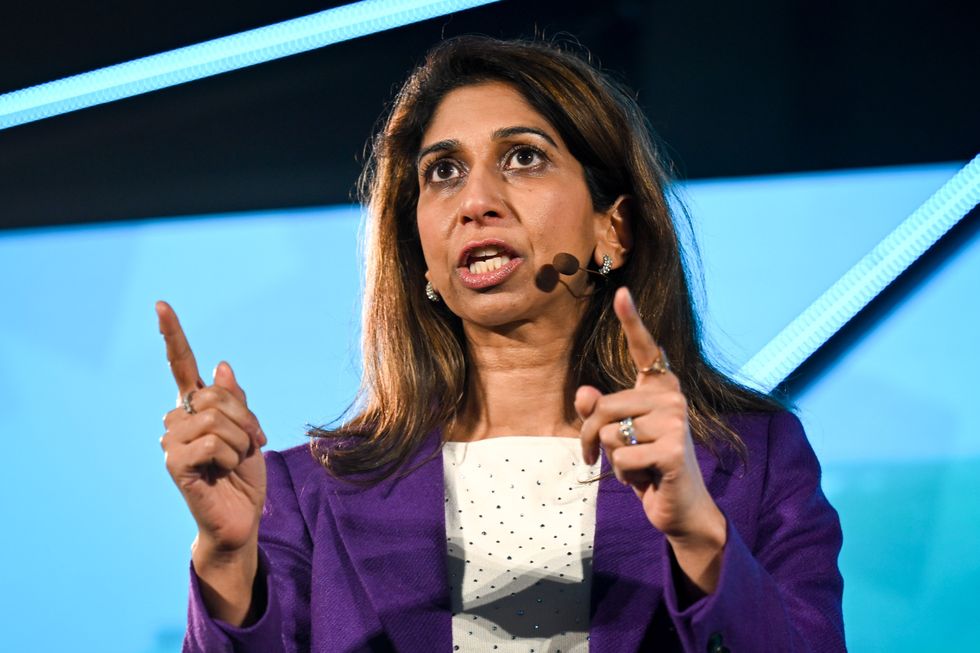
Suella Braverman lambasted the university system as 'rigged'
| GETTYShadow Education Minister Neil O'Brien said: "Too many young people are being lured into debt-trap degrees that won't help them get ahead."
The findings come as concerns continue to mount over rising numbers of Britons out of work.
The Confederation of British Industry forecast this week that unemployment will rise by 200,000 people to 5.5 per cent this year as tax rises and increases to the minimum wage weigh on private sector hiring.
The business group also cut its UK growth forecast for 2026 from 1.3 per cent to 1.1 per cent.
A Government spokesman said: "We're cracking down on poor quality courses so that students can be confident they're getting value for money from university degrees, while making the system fairer by reintroducing targeted maintenance grants and capping interest rates on student loans.
"The problems we inherited are deep rooted and it's why we're bringing forward the biggest youth employment reforms in a generation.
"This includes £2.5billion of funding, more apprenticeships, and business grants."
Our Standards: The GB News Editorial Charter