










Rachel Reeves is facing fresh pressure to reform or scrap stamp duty after MPs warned the tax is making it harder for people to get onto the property ladder.
A cross-party group of politicians says the current system is slowing down the housing market and damaging the economy.
A committee of MPs has called on ministers to review stamp duty and consider alternative approaches, with a formal consultation requested before the end of 2026.
The Housing, Communities and Local Government Committee said homeownership rates in England have fallen over the past 20 years.
Committee chair Florence Eshalomi said: "For many people, and especially for those unable to draw upon the bank of mum and dad, the prospect of owning a home is little more than a pipe dream."
The report found that financial help from family members has become increasingly important for first-time buyers trying to purchase a property.
While Ms Eshalomi said there is "no silver bullet" to solve the housing crisis, she argued that the Government has a range of options available to help people buy their first home.
The report said stamp duty "puts barriers in front of people seeking to buy a new home", adding that it "reduces the affordability of homeownership, slows the property market, and ultimately damages the economy. While it is a valuable source of revenue for public finances, stamp duty land tax must not be maintained in its current form and needs to be reformed."
The committee said stamp duty is one of the biggest barriers facing buyers because it increases the upfront cost of purchasing a property.
MPs argued that the tax reduces affordability, slows housing market activity and has a negative impact on the wider economy.
The burden is particularly heavy in London and the South East, where higher house prices mean buyers often face much larger stamp duty bills.
Recent changes to tax thresholds have compounded these challenges. From April 2025, the zero-rate band for those buying their first home contracted from £425,000 to £300,000, whilst existing homeowners saw their threshold cut in half from £250,000 to £125,000.
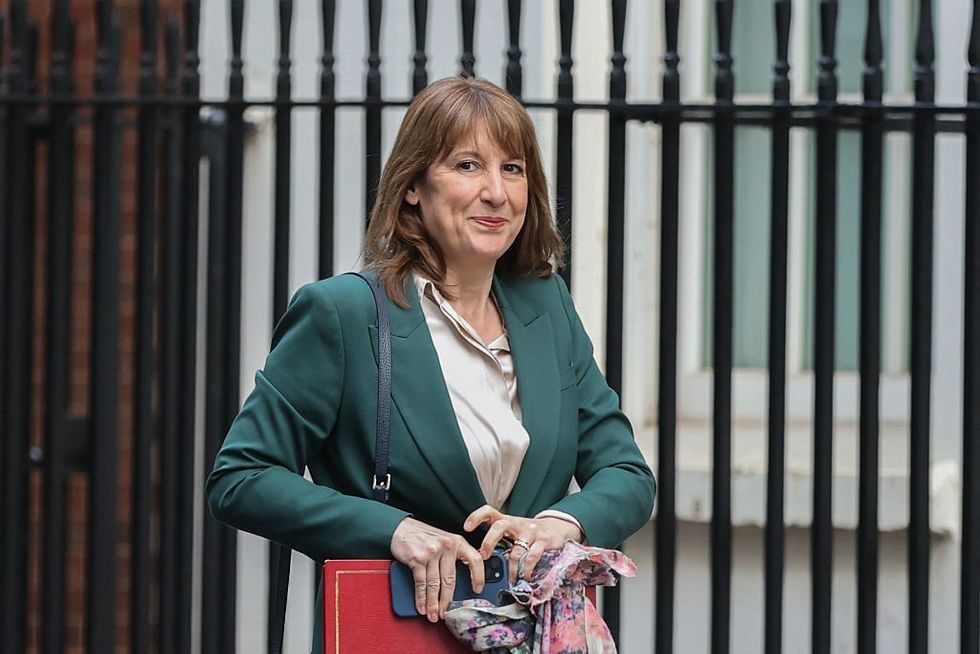
Rachel Reeves is facing fresh pressure to reform or scrap stamp duty
| GETTYThese adjustments triggered a rush of buyers scrambling to finalise transactions before the new rules took effect.
The report states that decades of soaring property prices combined with sluggish wage growth have steadily eroded housing affordability.
The committee has outlined several potential avenues for reform, ranging from complete replacement of the existing system to reducing rates in order to boost transactions.
Other possibilities include restructuring tax bands to better reflect local property values and updating the current framework of reliefs and exemptions.
MPs stressed that any stamp duty changes should occur in tandem with council tax reform, with consultations examining factors such as revenue generation, market friction, progressiveness and fairness.
 A record proportion of first-time buyers are now liable for stamp duty payments | GETTY
The report also urges ministers to make it simpler for local authorities to reclaim vacant properties within their areas.
This could involve clarifying existing council powers whilst introducing fresh mechanisms to bring long-term empty homes back into residential use.
The committee has recommended publishing annual housebuilding targets for each remaining year of Parliament, with six-monthly progress updates on Government efforts to encourage private developers.
MPs welcomed proposals to replace the Lifetime Isa with a new savings product designed specifically for homeownership, though they cautioned against including a fixed property price cap that would render it impractical in certain areas.
A Treasury spokesperson responded by noting that first-time buyers currently pay no stamp duty on properties valued up to £300,000 and can access relief on purchases reaching £500,000, saving an average of £710.
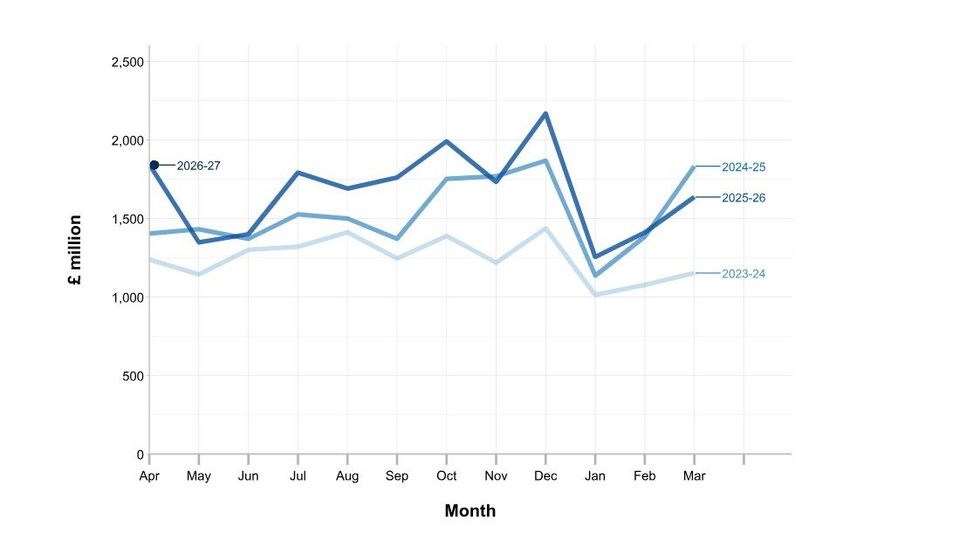 How have stamp duty receipts changed in recent financial years? | HMRC
 Henry Jordan, group director of mortgages at Nationwide Building Society, said: "Any review should look across all property taxes, with the aim of creating a system that enables people to move home easily."
Timothy Douglas, of property trade body Propertymark, said the report and its conclusion were welcome.
He said: "Stamp duty is a tax on aspiration. It creates a significant financial barrier for first-time buyers, growing families and older homeowners looking to move, reducing transactions and restricting choice across the housing market.
"Reforming stamp duty is an opportunity to unlock activity across the housing sector and wider economy while ensuring the tax system is fairer and fit for purpose," he added.
Last month, the think tank Centre for London said stamp duty should be replaced with a new property wealth tax to fix the housing crisis in the capital.
It suggested that scrapping the levy would encourage downsizing and improve the allocation of housing across boroughs.