







Ministers are standing by the £2billion Extended Producer Responsibility (EPR) packaging levy, despite warnings that it is driving up household costs and deterring investment in UK manufacturing.
Officials at the Department for Environment, Food and Rural Affairs have told business leaders the EPR scheme will not be withdrawn, even as pressure grows from manufacturers and retailers to rethink the policy.
The Bank of England has calculated that the levy contributes approximately 0.5 percentage points to food price inflation as households continue to face rising costs following the Iran war.
The policy has been labelled a "shopping stealth tax" by critics because around 80 per cent of the costs generated by the scheme are ultimately passed on to consumers through higher supermarket prices.
Charges on coffee cups, soup containers and juice cartons are set to rise by an average of 19 per cent while plastic packaging will face a 15 per cent increase under the current structure.
The Spanish glass manufacturer Vidrala is reportedly considering withdrawing £500million of planned investment from Britain amid concerns about the long-term impact of the policy.
Vidrala owns Encirc, the UK's largest glassmaker, which operates sites in Northern Ireland, Cheshire and Bristol and employs around 2,000 workers.
The planned investment was intended to help modernise furnaces as part of efforts to meet Net Zero targets.
Ministers refuse to scrap £2billion packaging levy as inflation fears grow
|GETTY
Executives at the company are understood to believe that continued investment in Britain has become commercially unviable while the EPR regime remains unchanged.
Industry figures argue the current structure disproportionately affects the glass sector because charges are calculated according to weight.
Glass accounts for around five per cent of the packaging market but is responsible for 27 per cent of total EPR charges under the existing formula.
The sector already contributes around £400million of the scheme's overall revenue.
LATEST DEVELOPMENTS
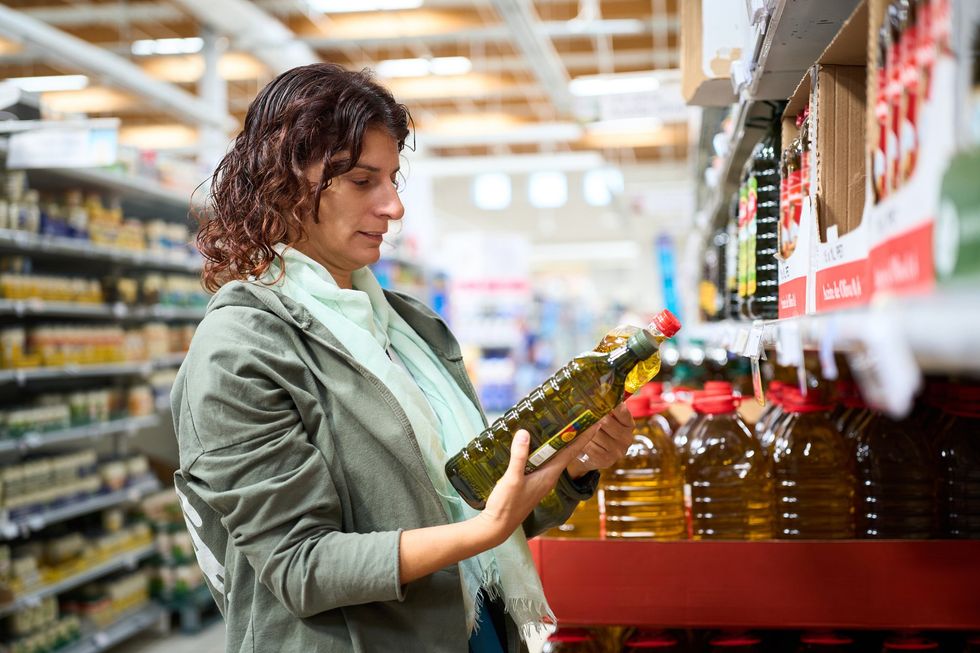
Leaders warned the policy is also threatening investment in UK manufacturing
|GETTY
Britain's glass industry supports around 120,000 jobs and generates approximately £2billion annually for the economy.
Nick Kirk, federation director at British Glass, said the Government's position "fails to recognise the mounting evidence of harm to UK manufacturing from the current EPR design".
He said the policy is "already contributing to a sharp decline in domestic glass production, rising imports and growing uncertainty for investment across the sector".
Mr Kirk also warned that the international ownership structure of Britain's glass manufacturing sector increases the risk of investment moving overseas.
Five of the six packaging glass manufacturers operating in Britain are headquartered abroad, while only one of the UK's 12 production sites is owned by a domestic company.
Mr Kirk said: "Without the right policy and economic environment, there is a real risk that these investments will be directed to other countries."
Industry leaders said decisions involving billions of pounds of investment linked to the transition to Net Zero are increasingly being made outside the UK.
Labour defended the scheme and said the EPR policy "moves the cost of dealing with waste away from taxpayers and generates more than £1billion annually".
Ministers also argued the policy forms "part of a major investment in the UK economy, helping create 25,000 jobs".
Officials pointed to a planned June reset which they said would reduce charges on glass packaging.
However, Whitehall forecasts reportedly suggest the reduction will average only one per cent.
Supermarket executives have also expressed frustration over the financial burden created by the scheme despite passing much of the additional cost on to consumers.
Major supermarkets are still expected to absorb tens of millions of pounds in costs under the policy.
One senior executive at a major retailer said the impact on the company's bottom line would rise by approximately a fifth under the latest projections.
Local councils have welcomed the additional revenue generated through the scheme, with one MP reportedly telling industry representatives the funding would help prevent their authority from going bankrupt.