










British grandparents are spending an estimated £14.6billion each year supporting their grandchildren as families increasingly rely on older relatives to help cover childcare and household costs.
The study found grandparents are spending money on fuel, food, clothing, toys and activities while caring for their grandchildren.
Creditspring researchers surveyed more than 1,000 grandparents during April and May and said the findings highlight the growing financial role grandparents now play in supporting families across the UK.
Tamsin Powell, consumer finance expert at Creditspring, said: "It's an eye-watering figure. And it underlines the huge hidden role grandparents play in keeping family finances afloat.
"But this support is not cost free."
The research found seven in 10 grandparents who provide childcare said the cost of helping their families has increased compared with 12 months ago.
Nearly half, equivalent to 44 per cent, said they had been forced to reduce their own spending in order to cover the costs associated with looking after grandchildren.
Grandparents who provide childcare estimated that a full day of caring costs them an average of £19.51.
Around one-third of respondents said they spend £20 or more each day while looking after grandchildren.
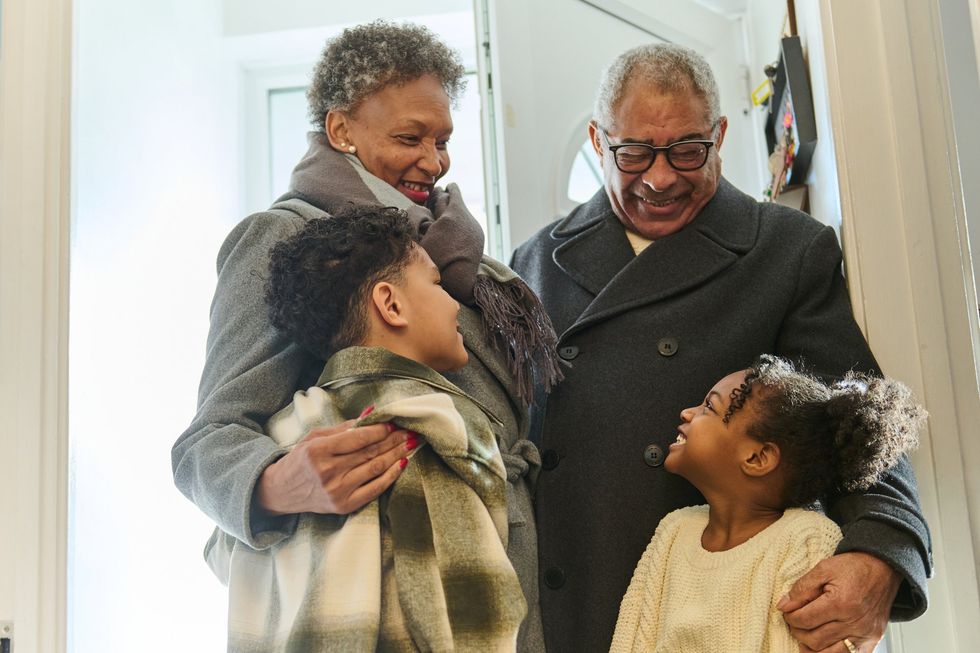
Grandparents spend £14.6billion helping grandchildren as childcare costs rise
|GETTY
Many grandparents reported providing support on a regular weekly basis as families continue to face pressure from higher living costs.
The research suggested the additional expense is placing growing strain on older people during retirement or later working life.
One grandmother who took part in the research described balancing paid employment with childcare responsibilities.
She said: "I'm still working around 30 hours a week, but alongside that I'm providing up to 30 hours of childcare as well, so there's very little room to make up that lost income.
"It puts a real strain on your finances, especially when you're getting older and should be thinking about slowing down, not stretching yourself further."
LATEST DEVELOPMENTS

Researchers said grandparents have become increasingly important to families struggling with childcare costs and wider financial pressures
|GETTY
Rising house prices, higher living costs and a difficult jobs market for younger workers were identified as major factors increasing reliance on grandparents.
Separate research from SunLife found one in four grandparents believe their children would struggle financially without family support.
The study also found one in five grandparents said they were relied upon more heavily than they had expected.
Mark Screeton, chief executive of SunLife, said grandparents had become "part of the UK's informal childcare infrastructure".
Mr Screeton said: "Grandparents are increasingly important for families.
"But we can't walk past the fact that they themselves will also probably be suffering the cost-of-living challenges that all of us face."
Experts also highlighted support available to grandparents below state pension age who help provide childcare.
Some may qualify for Specified Adult Childcare Credits, which are National Insurance credits designed to help fill gaps in a person's contribution record.
To qualify, the child being cared for must be under the age of 12 or under 17 if they have a disability.
There is no minimum number of childcare hours required to qualify for the credits.
Grandparents who care for grandchildren even one day a week could still be eligible to claim support.
Claims can also be backdated to 2011, meaning some grandparents who no longer provide childcare may still qualify.
Research from Quilter found each year of transferred National Insurance credit is worth approximately £330 in additional state pension income during the 2025/26 tax year.
The figures suggest the credits could add nearly £6,600 in extra income over the course of a 20-year retirement.