







Rachel Reeves has come under pressure after new research suggested planned road charges for electric vehicles could discourage more drivers from making the switch.
The findings revealed that almost a third of motorists (31 per cent) viewed the proposed pay-per-mile taxes for electric vehicles as off-putting.
Matt Crole-Rees, motor expert at Confused.com, warned that upcoming changes could make drivers think twice about switching to electric vehicles.
He argued that the electric car transition could be at risk as many drivers face considerable barriers when deciding to switch to an EV.
He said: "Even more changes are coming in 2028, including the eVED pay-per-mile tax and annual increases. So, it's important that drivers understand these changes, why they are put in place, and the impact they can have on their spending."
Electric vehicle owners will start paying 3p per mile from 2028, while hybrid drivers face a 1.5p per mile charge as the Government looks to claw back revenue from fuel duty losses.
Experts have warned that an EV driver covering 10,000 miles a year could end up paying £300 annually under the scheme.

Car tax changes introduced by Rachel Reeves see electric vehicles pay new road charges from 2028
| X/PACost remains the biggest obstacle for drivers considering electric vehicles. More than two-thirds (67 per cent) said EVs are simply too expensive to buy, making them stick with petrol or diesel cars instead.
Charging infrastructure was also a major concern, with more than a third of motorists stating a lack of charging points in their local area was preventing them from buying an electric car.
Range anxiety also continues to be a problem, with 28 per cent of motorists warning that electric vehicles currently lack a strong driving range to match their needs.
The lack of convenience also appears to be driving some motorists back to traditional vehicles, with more than a quarter (26 per cent) of people who previously drove an EV planning to switch back to a petrol, diesel or hybrid model due to rising EV costs.
LATEST DEVELOPMENTS
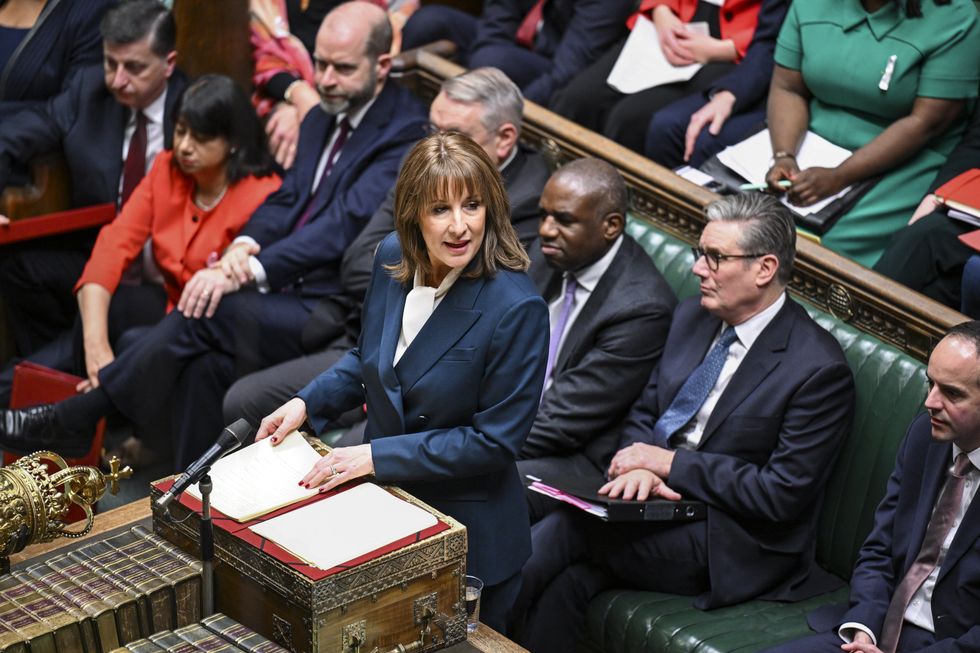
Rachel Reeves announced the new car tax plans at the Autumn Budget last year
| PAMr Crole-Rees added: "A greener and more efficient way of driving is a key priority for the Government, and plans are in place to make this change as seamless as possible.
"It's important for drivers to understand how the new EV rates and rules apply to specific cars to stay on top of increasing costs. It's important to remember that these anticipated changes may also change before 2028, so drivers should monitor relevant announcements closely."
Concerningly, research revealed the ZEV mandate could be at risk due to drivers only planning to buy an electric car within the next five years, pushing the likely transition date to 2031.
Some motorists have also warned that future restrictions announced by the Government could change their minds.
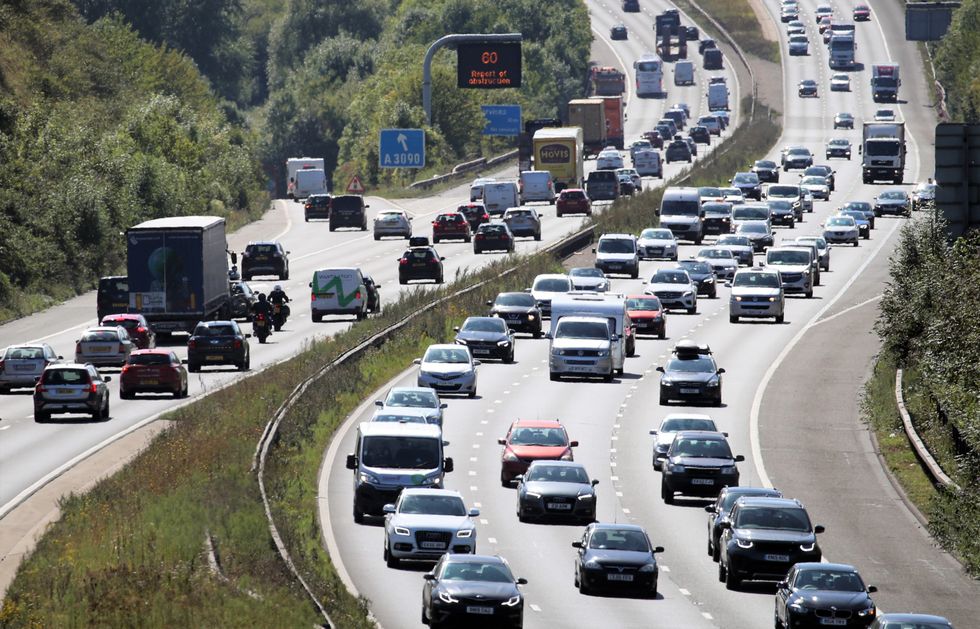 The new tax changes will see EV drivers pay 3p per mile and 1.5p per mile for plug-in hybrids | PA
Only 17 per cent said the planned ban on new petrol and diesel cars from 2030 would encourage them to switch to an EV.
Meanwhile, three in 10 drivers said a lower purchase price would be enough to persuade them to buy an electric vehicle.
Despite concerns over new taxes, electric vehicles can still be cheaper to run than petrol cars because electricity generally costs less than filling up at the pump.