




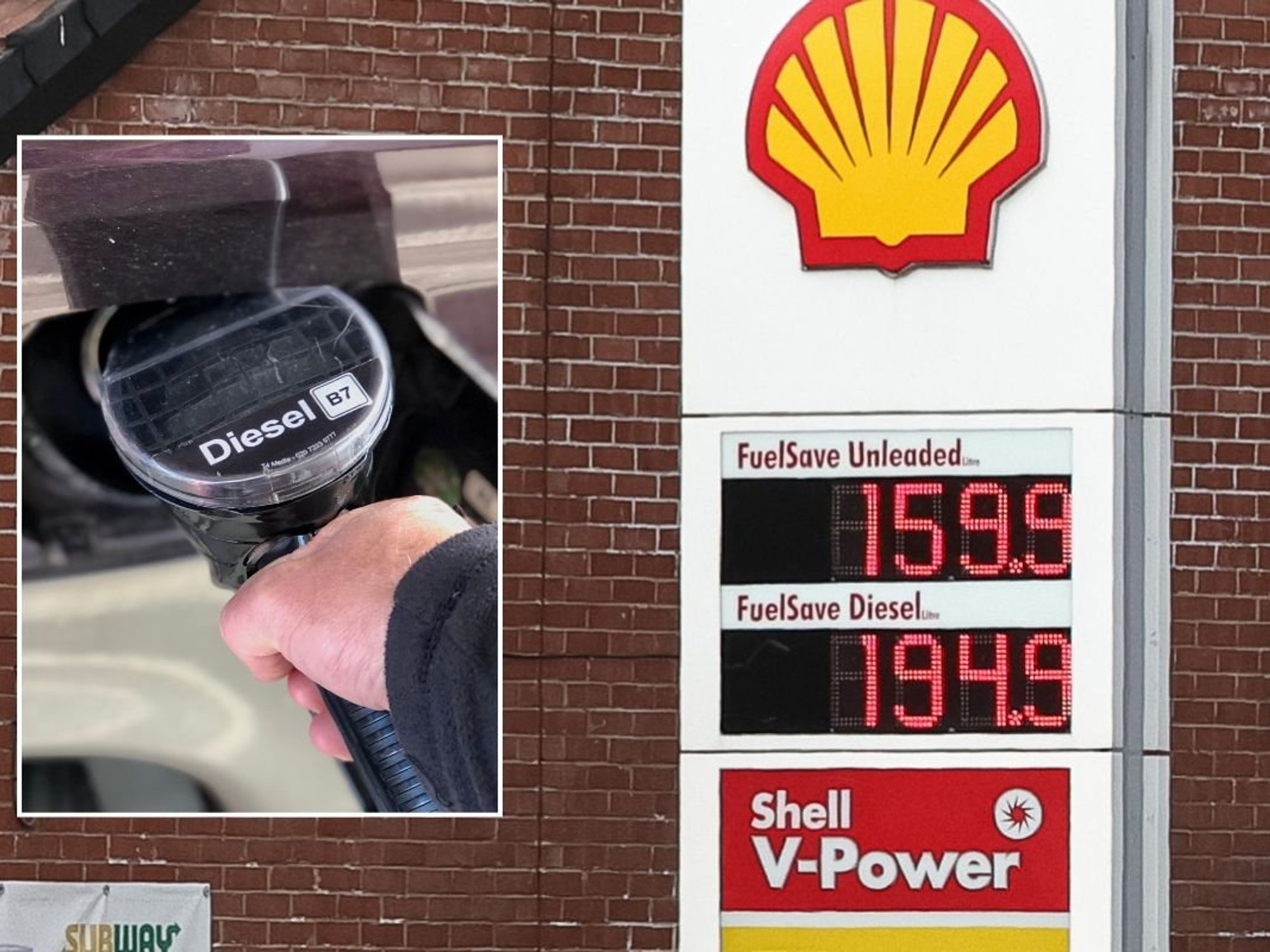





Petrol drivers have already spent more on fuel this year than electric vehicle owners are expected to spend on charging for the whole of 2026, according to new analysis.
Research shows that the average petrol motorist reached the annual running cost of an EV on June 9, almost a month earlier than last year, when the milestone fell on July 3.
The figures highlight the growing cost difference between petrol and electric vehicles as fuel prices remain high and electricity costs become more competitive.
It estimated that the average petrol driver will spend £1,353 on fuel this year, compared with £592 for an electric vehicle owner charging at home.
Experts warned that this means petrol motorists are spending more than twice as much as EV drivers to cover the same distance.
Drivers who take advantage of overnight electricity tariffs and salary sacrifice schemes can reduce their charging costs even further, with some EV owners paying as little as 2p per mile.
For these motorists, the equivalent of a full year’s EV charging costs had already been spent by petrol drivers as early as January 30.
The study was released to mark "Electric Car Day", the point in the year when the average petrol driver's fuel bill exceeds the annual charging costs of an electric vehicle.
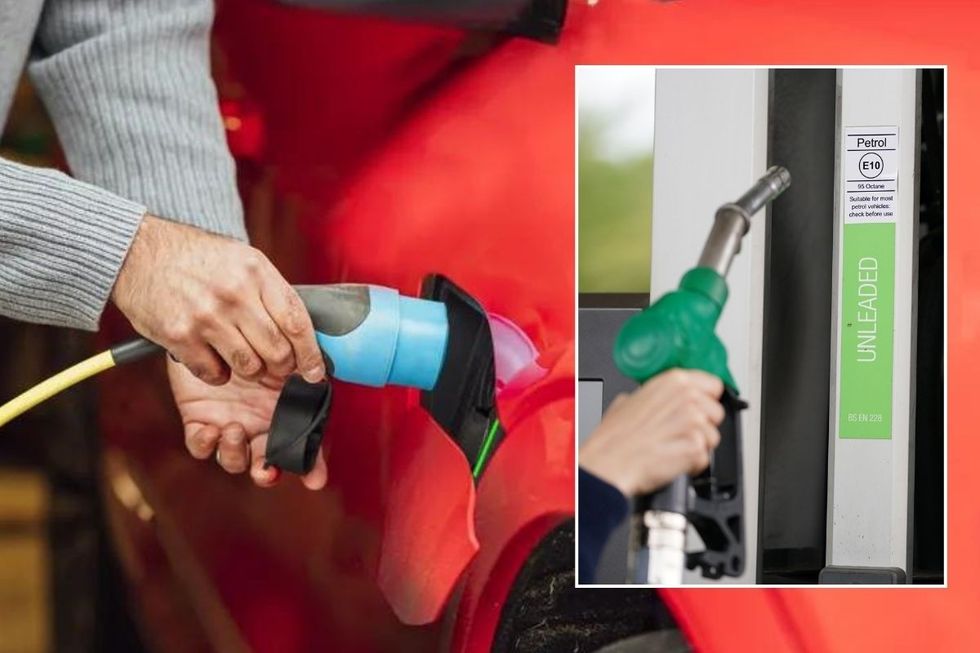
The report found petrol cars have paid more on fuel costs than EVs will all year through home charging
| GETTY/PAThom Groot, chief executive and co-founder of The Electric Car Scheme, said the financial case for switching to electric vehicles continues to be made.
He shared: "The economics of switching to electric keep moving in one direction, and 2026 has accelerated the trend.
"Petrol drivers are now spending the equivalent of a full year of EV running costs before we hit summer, which means everything they pay at the pump from June 9 onwards is, in real terms, a surcharge for choosing a combustion engine."
Mr Groot added that drivers using the cheapest charging options are seeing particularly significant savings.
LATEST DEVELOPMENTS
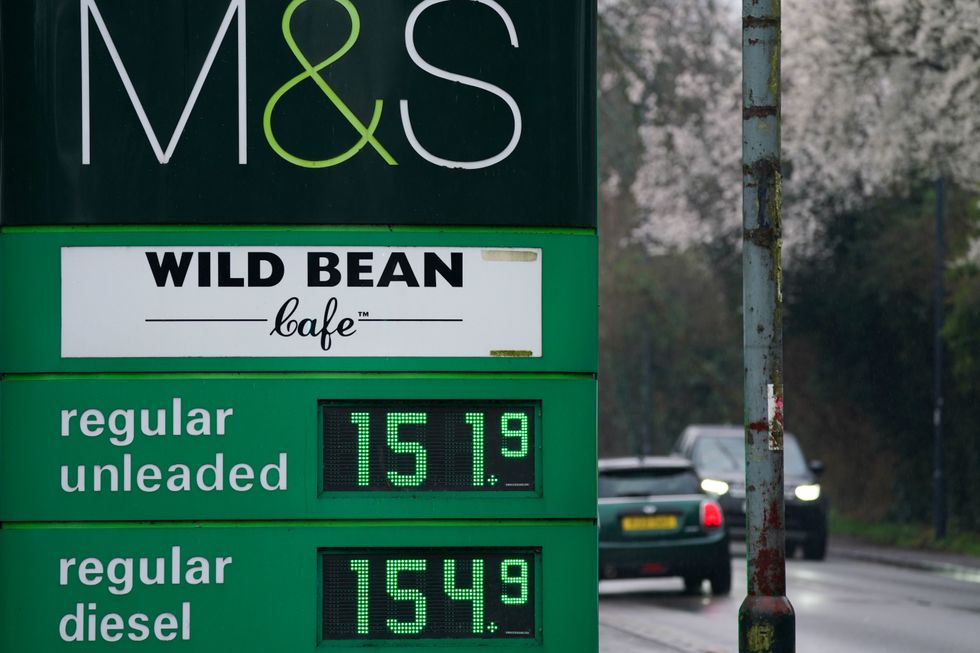 Petrol and diesel prices have fluctuated wildly in recent months | PA
"That isn't a marginal saving over petrol, it's a different category of household expense entirely," he added. The calculations were based on an average annual mileage of 7,400 miles, using Department for Transport figures from 2019.
Researchers also explained that using the latest 2024 mileage data of 7,100 miles would have pushed Electric Car Day even earlier into June.
The study estimated the report using an average petrol price of £1.56 per litre during 2026, while electric vehicles, charging costs were based on the Ofgem price cap of 24.67p per kilowatt hour.
Using these assumptions, petrol drivers were found to be spending around £3.71 a day on fuel, reaching the annual EV charging total of £592 by June 9.
The report found that home charging for EVs would cost £592 yearly
| PAThe environmental gap between petrol and electric vehicles is also continuing to widen, with researchers finding that by February 23, the average petrol car had already produced more carbon dioxide emissions than an electric vehicle will generate through charging across the entire year.
It arrived 10 days earlier than in 2025, when the equivalent milestone fell on March 5. The shift has been driven by the continued decarbonisation of the UK’s electricity network.
Data from the National Energy System Operator shows that the carbon intensity of the UK grid has fallen from 149 grams of CO2 per kilowatt hour in 2023 to 126 grams in 2025.
As a result, electric vehicles are becoming cleaner to run as more renewable energy is added to the grid.